

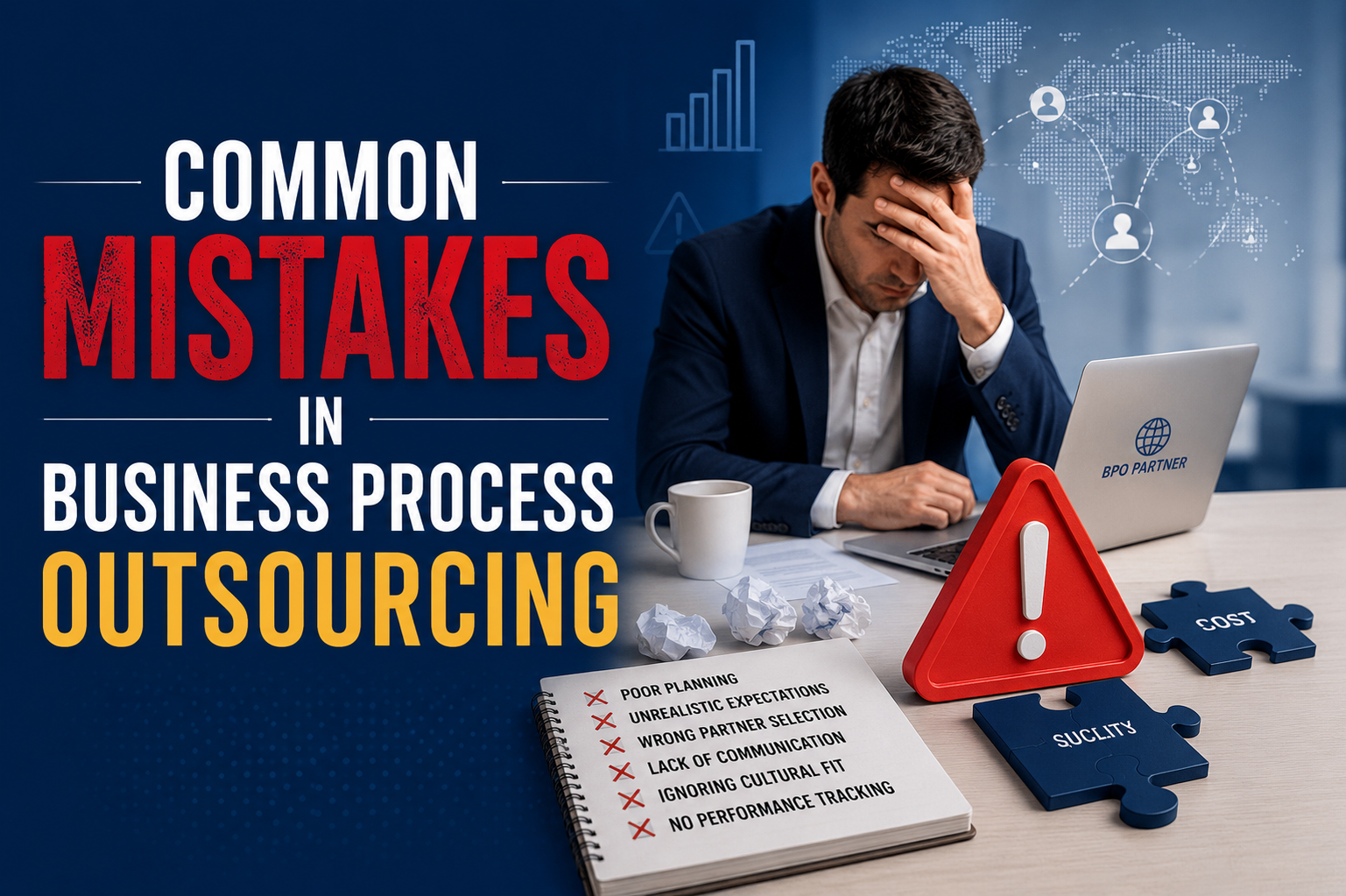
https://briteside.us/services/360-marketing/Business organizations opt for Business process outsourcing services in an effort to reduce costs, improve efficiencies, and focus on core business activities. However, outsourcing alone is not sufficient to ensure that one achieves their goals.
In case you go into the outsourcing process without adequate preparation, you might end up experiencing challenges such as inadequate communication, low performance, and even extra costs. You are likely to make good use of the process if you take note of some of the most frequent mistakes associated with outsourcing.
9 Most Common Business Process Outsourcing Mistakes to Be Avoided
By avoiding these common mistakes, you will find that your business enjoys increased success and stronger connections with your vendors.
1. Selecting the Lowest-Cost Provider
In as much as companies that are engaging in outsourcing processes such as digital marketing always end up picking a service provider purely on the basis of their costs, cost should not be the sole factor to be considered when making this decision as the outcome is often poor performance and failure.
2. Lack of Clear Expectations
It is also worth noting that most firms that engage themselves in outsourcing tasks, including those in contact center services , never establish clearly what their expectations are. This becomes an issue more often than not because expectations become poorly defined. It is therefore important to set your expectations from the very beginning.
3. Failure to Consider Cultural and Communication Differences
Communication is very important in the case of effective outsourcing. There are several things that organizations tend to overlook like the language issue, culture issue, and even working styles of individuals. It is always advised that the ability to communicate effectively is assessed before outsourcing begins along with regular communication check-ups.
4. Lack Of Adequate Research on Potential Vendors
There are some companies that do not exercise caution in selecting vendors, and they can opt for vendors that are less experienced. It is necessary to study certain factors such as feedback from clients, case studies, level of certifications, and industry knowledge of the vendor.
It will be necessary for you to analyze how good they are in communicating, their service provision, responsiveness, and how well they can manage your business needs. This way, you can make an informed decision in order to avoid mistakes and risks.
5. Failing to Consider Security Concerns in Data
When outsourcing data to the vendor, you need to be careful because you have to take into account all types of possible risks that might affect your business.
Some companies fail to investigate adequately before signing any contracts with their chosen vendors since they assume that they have nothing to worry about. However, it is important to ensure that vendors have adequate security practices in terms of how they store data.
6. The Problem of Monitoring
It is common for firms to assume that outsourcing entails relinquishing responsibility to the external provider and neglecting them after that. This practice may eventually result in poor service, delays, and failures to resolve issues. It is crucial that you put into place ways of measuring performance and continuously assessing your results.
Consistent monitoring will allow you to spot emerging problems and hold people accountable, meet required standards, and improve your process to prevent potential threats to your business.
7. Outsourcing Too Many Functions at One Go
Sometimes companies tend to outsource many functions together without proper planning. This could be overwhelming for the internal staff members and cause many problems in management. Start from some processes, analyze the outcome, and then move forward. It helps a lot to integrate the function smoothly.
8. Not Developing the Required Relationship
Outsourcing needs much more than just signing a contract with the provider. Sometimes companies do not consider them as part of their partnership. You need to work as a team and keep yourself in sync with their goals. It always turns out to be beneficial.
9. Failure to Prepare for Future Growth
In most instances, organizations concentrate on their needs in the present and not in the future, despite the likelihood that the business will expand in the future. In the course of outsourcing certain responsibilities, it is important to consider the future and choose suppliers who are able to meet new requirements.
The Importance of Defining Performance Metrics Before Outsourcing
One of the major reasons outsourcing partnerships fail is that businesses often begin the process without defining clear performance measurements. Companies may expect better efficiency, improved productivity, or cost savings, but if these goals are not converted into measurable targets, it becomes difficult to determine whether outsourcing efforts are actually successful.
Performance metrics act as a guide for both the company and the outsourcing provider. They help establish expectations and create accountability from the beginning of the relationship. Without proper measurements, organizations often rely on assumptions and opinions rather than actual data when evaluating performance.
For example, if a business is outsourcing customer support services, it should establish key performance indicators such as response time, customer satisfaction scores, issue resolution rates, and service quality standards. Similarly, if a company outsources digital marketing activities, metrics may include website traffic, lead generation, conversion rates, or campaign performance. Defining these standards early allows both parties to understand what success looks like.
Another advantage of having measurable goals is improved transparency. Outsourcing providers and clients can regularly review reports and identify areas that require improvement. If performance starts declining, businesses can address concerns immediately rather than waiting until the problems become severe. This approach reduces operational risks and minimizes unexpected losses.
Clear metrics also improve communication between the organization and the vendor. Instead of vague discussions regarding performance, teams can focus on measurable results and factual outcomes. This prevents misunderstandings and creates a stronger working relationship built on trust and accountability.
Additionally, performance metrics support long-term business growth. As a company expands, outsourcing requirements often become more complex. Businesses that already have structured systems for monitoring results can easily scale their outsourced operations without losing quality or efficiency.
Organizations should remember that outsourcing is not only about transferring tasks to another company. It is also about creating a strategic partnership that delivers measurable value over time. Establishing performance indicators before signing agreements can significantly improve decision-making, strengthen collaboration, and increase the chances of long-term outsourcing success.
Conclusion
When outsourcing is done well, then there should be many advantages for the business. All that one needs to do is avoid the common mistakes in outsourcing including lack of effective communication, wrong expectations, poor research and performance monitoring.






















Leave a Reply