


Everyone’s got a friend who makes an amazing hot sauce or granola that “should totally be sold in stores,” and honestly, sometimes they’re right, the product’s genuinely good. Food and beverage consulting exists because there’s a massive gap between “this tastes amazing” and “this is a viable business selling on actual shelves,” and that gap trips up way more people than you’d expect. It’s not about the idea being bad, usually the idea’s fine, sometimes genuinely great. It’s that turning a kitchen creation into something manufacturable, sellable, and profitable involves a whole set of skills and knowledge that has basically nothing to do with cooking talent, and most people don’t realize how big that gap actually is until they’re already knee deep trying to figure it out themselves.
Why “It Tastes Good” Isn’t Actually The Hard Part
People assume the taste is the make or break factor, and sure, it matters, obviously a bad tasting product isn’t going anywhere. But taste is honestly the easier part for most founders, since they’ve usually already nailed that before even considering commercialization seriously. The actual hard part is everything that comes after, can this be made consistently at scale, does it hold up over weeks on a shelf, does the cost of ingredients at commercial volume still make sense with realistic retail pricing, can it survive shipping and handling without the quality degrading noticeably. These questions have nothing to do with flavor and everything to do with whether a genuinely tasty product can actually become a functioning business, which is a completely different set of problems most founders haven’t had to think through before.
Scaling Up Breaks Things In Ways Nobody Expects
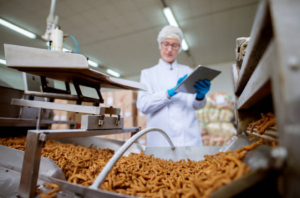
A recipe that works beautifully making a dozen jars in a home kitchen often falls apart, sometimes literally, once you try scaling it to hundreds or thousands of units. Ingredients that mix evenly by hand sometimes separate or clump in commercial mixing equipment. Cooking or baking times calibrated for a home oven don’t translate directly to industrial equipment running at a totally different scale and heat distribution. Shelf life that seemed fine for something eaten within a week at home becomes a real problem once a product needs to survive a month or two sitting in a warehouse and then a store shelf before someone actually buys it. This scaling gap catches nearly everyone off guard the first time, and it’s honestly one of the biggest reasons people end up needing outside expertise rather than just muscling through it alone.
Where Food Products Development Actually Starts Mattering
This is exactly where working with people who specialize in food products development becomes genuinely valuable, since taking something from “tastes great in my kitchen” to “manufacturable, shelf-stable, and consistent batch after batch” involves technical steps most founders simply haven’t encountered before. Reformulation often happens multiple times during this process, adjusting for ingredient availability at commercial scale, balancing cost against quality, tweaking texture or consistency to hold up through industrial production methods that behave differently than home cooking equipment. Shelf life testing alone can take weeks or months depending on the product category, since you genuinely need real data on how something behaves over time rather than just guessing based on how it seemed a few days after making it in a home kitchen setting.
Why Ingredient Sourcing Gets Complicated Fast
Once volume increases beyond home kitchen quantities, ingredient sourcing becomes its own genuine challenge that a lot of founders don’t see coming. That specialty ingredient bought at a local specialty shop for small batches might not be available at the volume or consistent quality needed for commercial production, and finding a reliable commercial supplier who can actually deliver what’s needed consistently, at the right price point, becomes a real project in itself. Seasonal ingredients present their own complications too, since a product built around something only available part of the year needs a plan for either sourcing it differently the rest of the time or accepting production will be seasonal, which has its own knock-on effects for cash flow and how the business actually operates throughout the year.
Understanding What Regulations Actually Apply
Food regulations genuinely vary depending on product category, and figuring out exactly what applies to a specific product is honestly one of the more confusing parts of this whole process for first time founders. Nutritional labeling requirements, allergen disclosure rules, specific regulations around certain preservation methods or ingredients, all of this needs to be sorted out correctly before a product can legally be sold, and getting it wrong isn’t just an inconvenience, it can mean products getting pulled from shelves after launch, which is expensive and genuinely damaging to a brand’s reputation right when it’s trying to establish itself. Understanding these requirements early in the development process, rather than discovering gaps after production’s already underway, saves a genuinely significant amount of time, money, and stress down the road for founders navigating this for the first time.
Why Finding The Right Manufacturing Partner Takes Real Time
Once a formulation’s genuinely finalized and tested, most founders need a co-packer or manufacturing facility that can actually produce at the volume and quality level the business requires, and this search process is usually more involved than people expect walking in. Not every manufacturer handles every type of product, some specialize in beverages specifically, others in dry shelf-stable goods, others in refrigerated or frozen items, and finding the right match means understanding minimum order quantities, equipment capabilities, and whether a facility can genuinely maintain consistent quality at the specific volume a business actually needs right now versus where it hopes to be in a year or two. This process can genuinely take months, and rushing into an agreement with the wrong manufacturing partner creates problems that are difficult and expensive to unwind later once contracts are signed and production’s already underway.
Testing With Real Customers Before Full Launch
Before committing to a full production run and wide distribution, testing a product with actual target customers, not just friends and family who are naturally inclined to be positive, provides genuinely useful feedback that can save significant money down the road. Small test batches sold at local markets, pop-ups, or through limited retail placements let founders see real purchasing behavior and gather honest feedback before scaling up production based on assumptions that might not actually hold true once real strangers are the ones buying and trying the product. This step gets skipped fairly often by founders eager to move fast, but it genuinely catches issues, pricing that’s off, packaging that doesn’t communicate the product well, flavor adjustments needed based on broader feedback, before those mistakes get baked into a large, expensive production run that’s much harder to correct after the fact.
What Good Guidance Actually Looks Like Through This Process
Not every consultant or agency working in this space has genuinely relevant experience for every type of food or beverage product, so it’s worth actually digging into someone’s background rather than just hiring whoever seems available or has a polished website. Ask specifically about experience with your particular product category and production method, since the challenges facing a fermented product differ significantly from those facing a dry baked good or a bottled beverage. Ask for honest references too, ideally people willing to talk through both what went well and what was genuinely difficult during their own process, since that gives a far more realistic picture than polished testimonials typically provide. Good guidance should be upfront about realistic timelines and costs rather than making the whole journey sound faster or easier than it’s actually going to be in practice.
Conclusion
Turning a genuinely good recipe into a real, sellable product involves a lot more than most people expect walking in, scaling production, sourcing ingredients reliably, navigating regulations, finding the right manufacturing partner, and testing with real customers before committing to a full launch all play a real role in whether something succeeds as an actual business rather than staying a beloved homemade treat shared with friends. Whether you’re just starting to explore turning an idea into something real or already running into unexpected obstacles partway through the process, getting experienced guidance early on can genuinely save a lot of time, money, and frustration compared to figuring everything out reactively as problems show up one after another. This industry has specific technical and regulatory challenges that don’t always show up in general startup advice, and understanding that upfront helps set realistic expectations for what the whole journey actually requires. Take the time to find someone with genuine, relevant experience rather than trying to navigate all of this completely alone, because the space between a great recipe and a real business is usually filled with exactly the kind of detailed work that’s easy to underestimate until you’re already in the middle of it.




















Leave a Reply