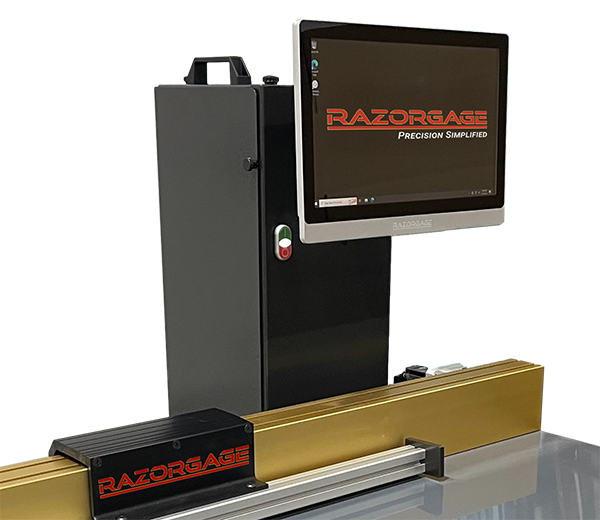
The cabinet manufacturing industry is going through a major transformation, and shops of all sizes are beginning to explore the benefits of automation. Before making any investment, understanding what automation truly involves is essential for long-term success. Integrating an automatic saw system into your production floor is not simply about buying new equipment. It requires careful planning, team preparation, and a clear understanding of your current workflow and future goals.
Understanding the Present Production Workflow
Before considering introducing automation in your cabinet shop, it is essential to evaluate the production process. One has to understand the current production cycle and identify the aspects that automation can improve. A comprehensive analysis of the current production process will enable one to determine the areas that are prone to errors, time- or resource-consuming, and the steps that the workers find challenging.
Assessing the Financial Needs of Automation
When considering automation, many cabinet shop owners fix their attention on the purchase price without exploring other expenditures related to the acquisition of the equipment. It is crucial to understand the entire scope of expenses that come with owning an automated system. Making a detailed cost-benefit analysis will ensure that an individual is not caught off guard by some of the costs associated with automation such as training and maintenance.
Considering the Appropriate Equipment According to the Needs of the Shop
Different cabinet shops have varying machine requirements depending on several factors including the size of the workshop and the production volume. It is paramount to choose the equipment best suited for a particular application. Purchasing larger machines when smaller ones suffice is a costly endeavor. One should consider the available space and the production rate expected from the equipment when considering the purchase.
Organizing Training for Workers on the New Technology
While automation is likely to introduce a significant level of efficiency, it does not eliminate the need for skilled labor in woodworking. Introducing a new technology in a cabinet shop presents new challenges even when they are relatively easier than the manual tasks they were intended to replace. Training the workers in preparation for the new software or machinery reduces errors during the initial phases of implementation. Conducting training sessions also informs the employees of the new requirements, ensuring they understand the expectations. In most cases, workers are more productive and highly motivated when they feel included in the process and confident in their capacity to meet the new standards.
Ensuring Integration of the Newly Acquired Technology
Cabinet shops use a combination of design and manufacturing software for their operations. Design files must be uploaded into the CNC machines where they control every aspect of the cutting process. While software is likely to reduce human errors, it also presents some challenges during the integration process. The process demands technical knowledge and expertise, which is why it is essential to entrust the task to a professional during the initial deployment of the technology.
Addressing Material Handling Processes in the Workshop
When considering automation in a cabinet shop, material handling processes in the workshop are often overlooked even though they play a pivotal role in the overall operation. Material handling refers to the way materials, goods, or products are managed within a facility, workshop, or manufacturing unit. The process usually employs equipment to move or transfer materials from one point to another and plays a vital role in a cabinet shop that utilizes automated cutting machines.
Quality Control Measures in Line with Automation
The introduction of automated machines is unlikely to entirely eliminate the need for quality control measures. While the technology may reduce the instances of human errors, there is still a significant probability of manufacturing defects, which is why it is essential to have reliable quality control procedures within the production chain. The protocols have to be adequate to ensure that the products are not faulty, adhering to the set standards and specifications.
Adequate Maintenance and Repair Services
It is critical to schedule routine maintenance to ensure these machines operate at their best capacity while prolonging their lifespan. Having a proper maintenance schedule not only minimizes repair costs but also ensures the production process is not interrupted due to a machine malfunction. It is advisable to establish a relationship with a reliable dealer who can offer maintenance services in addition to repair services in case of a malfunction. Additionally, a worker must have access to the essential spares required to maintain the machinery in good working condition.
Scaling up the Automated Cabinet Shop
The initial steps taken to automate a cabinet shop are always a great opportunity to identify additional areas that require improvement. It is advisable to scale the venture gradually and consistently rather than investing aggressively all at once. While it can be tempting to acquire more machines after acquiring the first one, it is essential to remain pragmatic and allow the first machine to justify its existence before considering buying additional equipment.
Conclusion
Automating a cabinet shop production line is one of the most impactful decisions a business owner can make in this industry. When approached with careful planning, proper training, and realistic expectations, the results can be transformative. From reduced waste to faster turnaround times, the benefits compound over time and position your shop for sustainable growth. If you are considering taking this step, exploring solutions that include an automatic pusher system will help you create a smoother, faster, and more reliable production environment that keeps your business competitive for years to come.
Frequently Asked Questions
How long does it take to fully automate a cabinet shop production line?
The timeline varies depending on the size of the operation and the complexity of the equipment being installed. Most shops complete their initial automation setup within a few weeks to a few months, with full optimization taking up to a year.
Will automation reduce the number of employees needed in my shop?
Automation typically changes the roles of existing employees rather than eliminating positions entirely. Workers shift from manual cutting tasks to operating, monitoring, and maintaining machinery, which often requires higher skill levels.
What is the biggest mistake cabinet shops make when automating?
The most common mistake is underestimating the importance of preparation. Shops that invest in equipment without proper planning, staff training, or software integration often struggle during the transition and fail to achieve the results they expected.
Is automation worth it for small cabinet shops?
Yes, even smaller operations can benefit significantly from automation, particularly in terms of consistency and speed. The key is choosing equipment that is appropriately scaled for the volume and variety of work your shop produceow do I know if my shop is ready for automation?
If your current production process is well-documented, your team is open to change, and you have a clear understanding of your financial capacity, your shop is likely ready to begin exploring automation options seriously.