The Noise in Your Head Isn’t Going Away on Its Own
Let’s be real for a second. You’ve probably tried to meditate before. Maybe you downloaded an app, sat cross-legged on your floor, and waited for the magic to happen. Then your brain started listing grocery items, replaying that awkward conversation from three days ago, and suddenly you’re planning your entire week. You felt like a failure. I get it. That’s exactly what happened to me when I first started looking into meditation and peace of mind. Turns out, that chaotic mental chatter isn’t a sign you’re doing something wrong. It’s actually part of the process. But nobody tells you that upfront.
What Meditation and Peace of Mind Actually Means
However, here‘s one thing about meditation and peace of mind that many fail to grasp. It‘s not about removing your thoughts. I understand that‘s what we all want, isn‘t it? This serene blank canvas where nothing distresses us. Unfortunately, it‘s not how brains function. Genuine meditation and peace of mind arises from altering your interaction with your thoughts, rather than erasing them completely. Once you settle in to meditate, your mind will drift away. That‘s its natural course. Hence, the objective isn‘t to halt it, but to recognize its departure and soothefully redirect your attention back to your breath. That‘s very much it. Easy, but not very simple.
Why your mind sabotages you when you are seeking to find serenity
Your mind is programmed for your survival, not your happiness. That nagging voice in your head that wreaks havoc late at night is not in any way concerned with your happiness it‘s only leading you to safety. However, there‘s a snag: that survival instinct becomes hyperactive whenever you‘re not doing anything, and when you finally relax, your brain perceives that lack of activity as threatening. It launches an internal search for issues that may or may not exist. This is exactly why meditation and inner tranquility seem so unattainable initially you‘re literally combatting millions of years of evolution. But once you realize that, you loosen up. You‘re not broken; you‘re just human.
Starting Your Meditation Practice Without All the Fluff
Look, I am not going to tell you to buy expensive pillows and sit in lotus position while burning incense. That isn‘t how you acquire true meditation and peace of mind. Do really tiny amounts to begin with. Like five minutes tiny amounts. Find a piece and plop down. Go somewhere else where it is silent. Set your go-off alarm. Put your feet on the floor. Breathe. Count your breaths. Breathe in, breathe out, call out ‘one’ in your mind. Keep going until ten, then start back at one. Breathe in, breathe out, call out ‘two’. Weave your way back in then out. Whenever your mind wanders off, which it will, notice where it has gone and, without judgment, come back. To your breath. Just that. No wild rituals required. No magic mantras. Just you. Taking deep breaths. Right there.
The Unexpected Link Between Stress and Inner Quiet
Here is something fascinating about meditation and peace of mind that science is finally coming around to. It is, in fact, like anything else you do that is good for you over time you actually change your brain. I am not kidding; there is research that shows the more you meditate, the less active the amygdala becomes the part of the brain that controls your fight or flight response. It gets quieter over time as your stress response literally quiets itself. Instead of reacting to the situation, you respond to the situation. That coworker is still annoying, but your entire body doesn‘t respond to the situation with rage. You have a choice about how to respond.
What Actually Happens Inside Your Body During Meditation
Now get a little nerdy. When you practice meditation, peace of mind, et cetera, your nervous system is in rest and digest mode. Your heart slows down, your BP (blood pressure) lowers, your cortisol (adrenal stress hormones) lessen. The whole works. Your body does not produce stress hormones during your quiet time, it produces pleasure, opioids, et cetera, instead. One session is not enough. It takes the body time to teach itself this new norm. Duration is second to consistency. For example, ten minutes daily is more effective than an hour weekly.
Creating a Space That Supports Your Practice
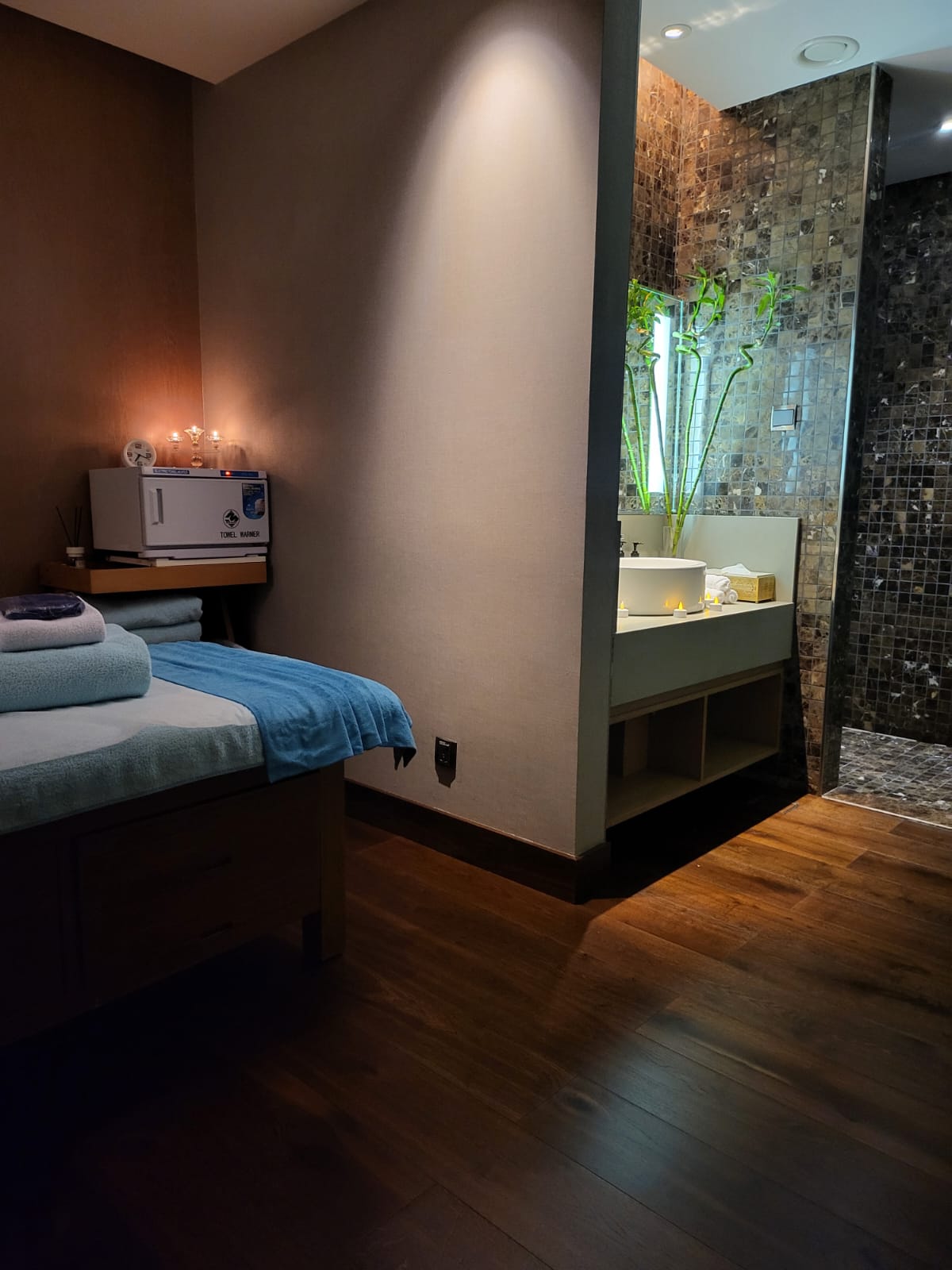
You don‘t have to have a special place or a special room to meditate. But it helps if you have an area where you always go to do your meditation. It can be a little corner in your bedroom or a little chair in the living room. Just some place where your mind will start remembering that this is the area where you let go and relax. Your mind will begin to automatically calm down when you go into this area. Like Pavlov‘s dog but with peace of mind. Keep it simple. Maybe a pillow or blanket. Nothing fancy. Just somewhere comfortable in your house, preferably with no distractions and at least somewhat quiet.
When Meditation Gets Hard and You Want to Quit
I‘m not going to sugar coat it. Some sessions of meditation and peace of mind seem like an impossibility. You‘re going to have days where your mind is entirely overactive. It‘s going to be full of racing thoughts, physical discomfort, and even boredom. During those sessions most people give up and call it a bad session. The truth is, those are the most important sessions. Those sessions are showing you where you‘re holding tension. Those sessions are showing your mind‘s pattern. When you return to the present moment during those hard sits you are training yourself to return to the present in hard moments in life.
How to Actually Bring Peace Into Your Daily Life
Meditation and peace of mind are not confined to the cushion. The test comes back in the chaos of the daily life. That is the actual practice. If somebody cuts you off in traffic, can you remain present and breathe? If your kids are arguing, are you able to stay present? When work gets stressful, can you find the stillness? Begin small. Take a conscious breath before opening your email. Take a breath before responding to a negative email. These tiny tests count.
The Journey Is Messy, But That‘s the Whole Point
First, I want to tell you the truth about meditation and a peaceful mind. It won‘t always be smooth sailing. You will have fabulous weeks where everything seems just so and days that are so horrible you don‘t think you could sit still for three minutes. That‘s okay. That‘s normal. Your progress with meditation won‘t be the same as other areas of your life. It will be more like the tide, sometimes high, sometimes low. The key is that you keep coming back. Even when you don‘t want to. Especially when you don‘t want to. Because that‘s when it really matters.
What Science Says About Long-Term Peace of Mind
Research on meditation and peace of mind is prolific and it‘s inspiring. Practice brings about an increase in gray matter volume in regions involved with regulating emotion and surmising. Elderly practitioners have been proven to age more slowly. But to me the most exciting part about science is that it confirms what we all know on a personal level to be true: I‘m no longer nearly as reactive; I am more patient; I‘m definitely quicker to laugh. Sleep is somehow better; anxiety is a thing of the past; vigor has replaced fatigue. All of these benefits take time. Don‘t expect overnight change. Expect a system that is incredibly complicated, and the variables hit or miss; but don‘t be discouraged. With months, perhaps years, you will begin to notice subtle, yet tangible shifts in your mind until someday when something you never would have been able to brush past only months ago, no longer registers on your radar.
Frequently Asked Questions About Meditation and Peace of Mind
Can peace of mind and meditation truly be of benefit for anxiety?
Yes, for sure. Consistent meditation can lessen the fire inside the brain and middle, and help you relate to anxious ideas in a less reactive way.
Duration of meditation practice until the subject begins to gain benefit?
Others report feeling more relaxed after just 1 session. However, it may take several weeks of practice before a real change occurs. You should try the breathing exercises regularly for a minimum of 2 months before making a judgment.
What is the optimal time to meditate for tranquility?
Morning is good because your mind is clear. In fact the time when it is most effective is simply whenever you are able to do it on a regular basis. Others find that it is more effective during the lunch hour or as a pre bed-time exercise.
Is there any special equipment needed for meditation?
Nothing. Just a comfortable / quiet place, and an attitude that is willing to sit comfortably and do nothing. A relaxed and easy-to-wear attire may be helpful but no cushion, incense, any gear required.