Moving can feel exciting. It can also feel overwhelming. There are many things to plan before moving day arrives. You need to pack your belongings, organize your schedule, and prepare your new home. Without a good plan, even a small move can become stressful.
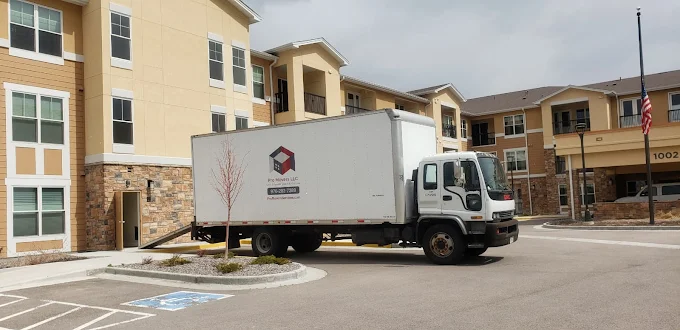
Many families choose Furniture Moving longmont because moving large and heavy furniture takes skill and care. Sofas, beds, dressers, and dining tables can be difficult to move without the right tools. Professional help makes the process safer and much easier.
Why Planning Your Move Matters
A successful move starts with a simple plan. Good planning helps you stay organized. It also helps you avoid last-minute problems. When you know what to do each week, moving becomes less stressful.
Local Movers Longmont can help you create a clear moving schedule. Their experience allows them to organize every step. This saves time and helps prevent common moving mistakes.
Start Planning Early
Do not wait until the last week.
Start planning at least one month before moving day.
This gives you enough time to prepare.
Create a checklist.
Write every task down.
Mark each task when it is complete.
A checklist keeps everything under control.
Set Your Moving Date
Choose a moving date that works for everyone.
Weekdays are often less busy.
Book your movers early.
This gives you more scheduling options.
Declutter Before You Pack
Moving is the perfect time to remove unwanted items.
Do not pay to move things you no longer use.
Walk through every room.
Ask yourself simple questions.
Do I need this?
Have I used it recently?
Will I use it again?
If the answer is no, donate or recycle it.
Sort Everything Into Groups
Make four simple piles.
Keep
Donate
Sell
Throw Away
This method keeps the process simple.
Less Stuff Means Less Stress
Fewer boxes mean faster packing.
Loading also becomes easier.
Your new home stays more organized.
Gather Packing Supplies
Good packing starts with the right supplies.
Strong boxes protect your belongings.
Cheap boxes often break.
Buy quality supplies before packing begins.
You may need:
Small boxes
Medium boxes
Large boxes
Packing tape
Bubble wrap
Packing paper
Permanent markers
Labels
Having supplies ready saves time.
Pack One Room at a Time
Trying to pack everything together creates confusion.
Finish one room before starting another.
This keeps your home organized.
Start With Items You Rarely Use
Pack seasonal clothes first.
Pack holiday decorations.
Pack extra kitchen items.
Leave daily essentials until the end.
Label Every Box Clearly
Write the room name.
Add a short list of contents.
Mark fragile boxes carefully.
Good labels save hours during unpacking.
Protect Fragile Belongings
Glass items need extra care.
Wrap each item separately.
Use packing paper or bubble wrap.
Fill empty spaces inside the box.
Nothing should move inside.
Use Small Boxes for Heavy Items
Books become heavy quickly.
Place them inside smaller boxes.
This makes lifting much easier.
Large boxes should hold lighter items.
Prepare Furniture Before Moving Day
Large furniture needs extra attention.
Remove shelves when possible.
Take apart bed frames.
Remove table legs if needed.
Keep screws inside labeled bags.
Tape the bags to the furniture.
This makes reassembly much easier.
Protect Furniture Surfaces
Wrap furniture with moving blankets.
Use stretch wrap for extra protection.
This helps prevent scratches during transport.
Pack an Essentials Bag
Some items should stay with you.
Pack a small overnight bag.
Include:
Phone charger
Medicines
Wallet
Keys
Important papers
Water
Snacks
Extra clothes
Toiletries
Keep this bag nearby.
Do not place it inside the moving truck.
Prepare Your Children and Pets
Moving affects everyone.
Children may feel nervous.
Pets often become anxious.
Talk with your family before moving day.
Explain what will happen.
Keep favorite toys nearby.
Maintain normal routines when possible.
This helps everyone adjust.
Keep Important Documents Safe
Important papers should stay with you.
Never place them inside moving boxes.
Carry:
Birth certificates
Passports
Insurance papers
Medical records
School records
Financial documents
Store everything inside one folder.
Clean Before Leaving
Cleaning before moving out saves time later.
Start after each room is empty.
Vacuum floors.
Wipe shelves.
Clean cabinets.
Check every closet.
Leave the home in good condition.
Prepare Your New Home
Visit your new home before moving day.
Check every room.
Make sure utilities work.
Test lights.
Turn on water.
Check heating and cooling systems.
Complete small repairs before moving furniture inside.
Stay Safe While Moving
Moving injuries happen often.
Most injuries happen while lifting.
Always lift carefully.
Bend your knees.
Keep your back straight.
Never twist while carrying heavy items.
Ask for help when needed.
Wear Comfortable Clothing
Choose comfortable shoes.
Wear clothes that allow easy movement.
Avoid loose clothing that may catch on furniture.
Why Professional Movers Make Life Easier
Professional movers do much more than carry boxes.
They help organize the entire move.
They know the safest lifting methods.
They understand how to load trucks correctly.
Their experience reduces mistakes.
They Bring Proper Equipment
Professional movers use tools such as:
Dollies
Moving straps
Furniture pads
Ramps
Hand trucks
These tools protect both your belongings and your home.
They Save Valuable Time
Experienced movers work quickly.
They know the best packing methods.
They also know how to load trucks efficiently.
This keeps your move on schedule.
Avoid Common Moving Mistakes
Many people make the same mistakes.
Learning about them helps you avoid problems.
Waiting Too Long
Do not wait until the final week.
Early preparation reduces stress.
Using Weak Boxes
Cheap boxes often fail.
Strong boxes protect your belongings.
Forgetting Labels
Unlabeled boxes create confusion.
Good labels make unpacking much faster.
Packing Everything Together
Separate items by room.
Organization saves time later.
Ignoring Weather
Check the weather forecast.
Prepare for rain or heat if needed.
Save Time on Moving Day
Wake up early.
Eat breakfast.
Charge your phone.
Keep snacks nearby.
Wear comfortable shoes.
Double-check every room before leaving.
Lock all windows and doors.
These small habits make a big difference.
Unpacking Without Stress
Unpacking feels easier with a plan.
Start with important rooms.
The kitchen usually comes first.
Next, unpack bedrooms.
Bathrooms should follow.
Decorations can wait.
Do Not Rush
Take your time.
Unpack one room at a time.
Celebrate small progress.
Soon your new house will feel like home.
First-Hand Moving Tips From Experience
Every move teaches something new.
Simple habits make the biggest difference.
Always pack earlier than you think.
Keep chargers easy to find.
Label every cable.
Take photos before disconnecting electronics.
Place similar items together.
Keep cleaning supplies available.
Bring basic tools.
A screwdriver becomes useful many times.
Small details save hours later.
Experience makes every move smoother.
Why Organization Reduces Stress
Stress often comes from confusion.
Good organization removes confusion.
You know where things belong.
You know what comes next.
Everything feels easier.
Planning builds confidence.
Confidence makes moving day much calmer.
Build a Better Moving Experience
Moving does not need to feel overwhelming.
Good planning changes everything.
Stay organized.
Ask for help.
Pack carefully.
Protect valuable items.
Take breaks when needed.
Keep a positive attitude.
Soon you will enjoy your new home.
Every small step brings you closer to a successful move.
Final Thoughts
Moving is a big life event.
It comes with many tasks.
Still, it does not have to feel stressful.
Planning ahead makes every step easier.
Packing carefully protects your belongings.
Staying organized saves time.
Removing clutter reduces work.
Preparing your family helps everyone feel comfortable.
Professional movers add experience and safety.
They handle heavy lifting.
They protect your furniture.
They help everything stay on schedule.
Most importantly, they give you peace of mind.
A calm move begins with good preparation.
Take one task at a time.
Follow your checklist.
Stay patient.
Before long, you will be relaxing in your new home, ready to enjoy your next chapter.
Frequently Asked Questions
1. When should I start planning my move?
Start planning at least four weeks before moving day. Early planning reduces stress and gives you enough preparation time.
2. Why should I declutter before moving?
Decluttering reduces the number of boxes. It also saves packing time, moving costs, and space in your new home.
3. What should I pack first?
Pack seasonal items, decorations, and things you rarely use. Leave everyday items until the final days.
4. How should I protect fragile items?
Wrap each item with packing paper or bubble wrap. Fill empty spaces inside each box to prevent movement.
5. What should stay with me during the move?
Carry important documents, medicines, valuables, chargers, keys, and an overnight bag with daily essentials.
6. Why should I label moving boxes?
Labels help movers place boxes in the correct rooms. They also make unpacking much faster.
7. How can I make moving day easier?
Wake up early, stay organized, keep your checklist nearby, and prepare your essentials before the movers arrive.
8. How do professional movers help?
Professional movers handle packing, lifting, loading, transportation, and unloading safely while reducing stress and saving time.
9. What are the most common moving mistakes?
Common mistakes include waiting too long, using weak boxes, skipping labels, and failing to plan ahead.
10. How can I settle into my new home faster?
Unpack one room at a time, start with essential spaces, and avoid rushing the process. Good organization makes settling in much easier.