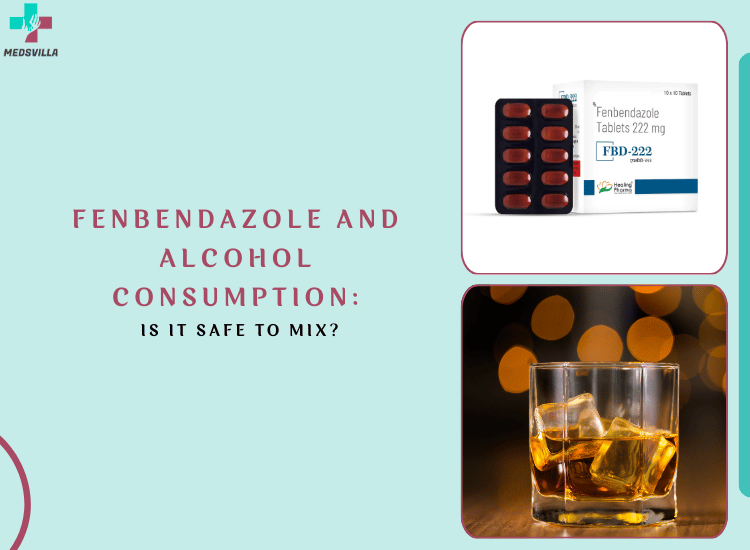
Fenbendazole has gained significant attention online in recent years, leading many people to ask whether it is safe to drink alcohol while taking it. Although fenbendazole is widely used as a deworming medicine in animals, it is not approved for routine human use in many countries, and scientific information about combining it with alcohol in humans is limited.
If you are considering taking fenbendazole or are already using it under medical supervision or in a research setting, understanding the possible risks of alcohol consumption is important. This guide explains what fenbendazole is, how alcohol may affect your body while taking it, and the precautions you should know before mixing the two.
What Is Fenbendazole?
Fenbendazole belongs to a class of medications called benzimidazole antiparasitic drugs. It works by preventing parasites from absorbing nutrients, eventually causing them to die. It has been used for decades in veterinary medicine to treat intestinal worms and other parasitic infections in animals.
Although discussions about fenbendazole ivermectin pills have increased online, especially regarding unapproved uses, there is still limited clinical research supporting its routine use in humans. Anyone considering it should first consult a qualified healthcare provider.
Can You Drink Alcohol While Taking Fenbendazole?
There are currently no well-established human studies specifically examining the interaction between fenbendazole and alcohol. However, that does not mean combining them is automatically safe.
Because both alcohol and medications can affect how the body functions, drinking alcohol while taking fenbendazole may increase the likelihood of unwanted side effects or place additional stress on certain organs, particularly the liver.
Healthcare professionals generally recommend limiting or avoiding alcohol while taking medications unless it has been confirmed to be safe.
Why Mixing Fenbendazole and Alcohol May Be Risky
Increased Liver Stress
The liver plays a major role in processing both medications and alcohol. Combining the two may increase the liver’s workload, especially in individuals with existing liver disease or heavy alcohol use.
Greater Chance of Side Effects
Alcohol may worsen common medication-related side effects such as:
- Nausea
- Stomach discomfort
- Vomiting
- Headache
- Dizziness
- Fatigue
Experiencing these symptoms together may make daily activities more difficult.
Reduced Overall Well-Being
Alcohol can interfere with hydration, nutrition, sleep quality, and immune function. If your body is recovering from illness or infection, drinking alcohol may slow your recovery.
Possible Side Effects of Fenbendazole
Although human safety data remain limited, reported side effects may include:
- Nausea
- Upset stomach
- Diarrhea
- Abdominal discomfort
- Headache
- Fatigue
- Temporary changes in liver enzyme levels
Anyone experiencing severe abdominal pain, persistent vomiting, allergic reactions, yellowing of the skin or eyes, or other unusual symptoms should seek medical attention immediately.
Who Should Avoid Alcohol Completely?
Avoid alcohol while taking fenbendazole if you:
- Have liver disease
- Have a history of alcohol misuse
- Are taking other medications processed by the liver
- Experience significant side effects after starting treatment
- Have been advised by your healthcare provider to avoid alcohol
Following professional medical advice is always the safest option.
Could Alcohol Make Fenbendazole Less Effective?
There is currently no strong evidence showing that alcohol directly reduces fenbendazole’s antiparasitic activity.
However, excessive alcohol consumption may:
- Weaken immune function
- Increase dehydration
- Reduce appetite
- Delay recovery from illness
- Increase the chance of medication side effects
For these reasons, avoiding alcohol during treatment is generally considered the more cautious approach.
Tips for Staying Safe
If you are taking fenbendazole, consider the following recommendations:
- Follow your healthcare provider’s instructions carefully.
- Avoid drinking alcohol until your treatment has ended.
- Stay well hydrated.
- Eat balanced meals during treatment.
- Never exceed the recommended dosage.
- Tell your healthcare provider about all medications and supplements you use.
- Report any unusual symptoms promptly.
When Should You Contact a Healthcare Provider?
Seek medical advice if you experience:
- Severe or persistent vomiting
- Intense abdominal pain
- Yellowing of the skin or eyes
- Dark urine
- Difficulty breathing
- Swelling of the face or throat
- Persistent dizziness or fainting
Prompt evaluation helps identify potential complications early.
Final Thoughts
Although there is currently no definitive evidence proving a direct interaction between fenbendazole and alcohol, the absence of research does not guarantee safety. Alcohol may increase side effects, place additional stress on the liver, and make recovery more difficult.
If you are taking fenbendazole, the safest approach is to avoid alcohol until your treatment is complete and follow the advice of a qualified healthcare professional. Never self-medicate or rely solely on online information when making healthcare decisions. Using medications responsibly helps reduce unnecessary risks and supports better overall health.
Frequently Asked Questions
Is one alcoholic drink safe while taking fenbendazole?
There is not enough human research to provide a definitive answer. Because safety has not been established, avoiding alcohol during treatment is the safest choice.
Can alcohol increase side effects?
Yes. Alcohol may worsen nausea, dizziness, stomach irritation, headaches, and fatigue that some individuals experience while taking medications.
How long should I wait before drinking alcohol?
The appropriate waiting period depends on your treatment plan and overall health. Your healthcare provider can advise you based on your specific situation.
Can people with liver disease take fenbendazole?
Individuals with liver disease should only use medications under medical supervision. Because both alcohol and medications may affect liver function, extra caution is necessary.