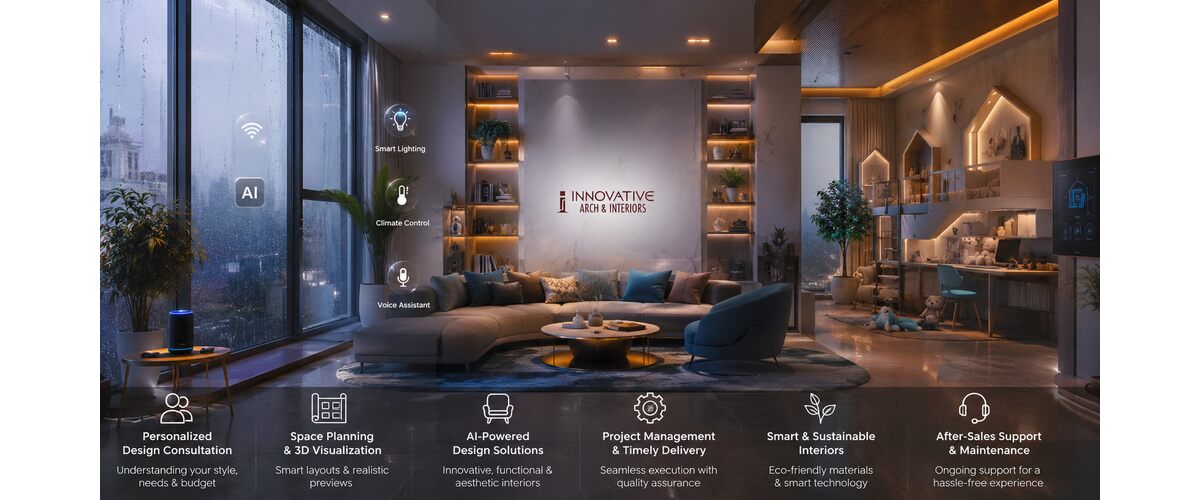
Designing a home or commercial space is a major investment. Whether you are creating a new office, renovating your house, or upgrading a retail store, choosing the right design partner can make the entire process easier and more rewarding. A professional Interior Designers in Greater Noida not only improves the appearance of your space but also ensures that it is functional, comfortable, and suited to your lifestyle or business goals.
Many people are excited about starting a new project but are unsure about what happens after hiring a design company. Understanding the complete process helps you plan better, set realistic expectations, and avoid unnecessary confusion during the project.
If you are planning to work with Interior Designers in Greater Noida this guide explains every stage of the journey, from the first consultation to the final handover. It also highlights how experienced professionals like INAI create personalized interiors that combine creativity, quality, and practical solutions.
Why Professional Interior Design Matters
Interior design is much more than selecting attractive furniture or choosing paint colours. Every decision affects how your space functions, feels, and performs over time.
Professional designers carefully plan:
- Space utilization
- Lighting arrangements
- Material selection
- Furniture layouts
- Storage solutions
- Colour combinations
- Electrical planning
- Decorative elements
Instead of making random design choices, experienced professionals create a balanced environment where every element works together.
Whether the project involves a luxury residence or a corporate workspace, expert planning helps reduce mistakes, improve efficiency, and increase the long-term value of your property.
The First Consultation: Understanding Your Vision
The first meeting is one of the most important stages of the project. Rather than immediately discussing furniture or colours, experienced Luxury Interior Designers in Agra focus on understanding your needs.
During this discussion, they usually ask questions about:
Your Lifestyle
They want to understand how you use the space every day.
For example:
- Do you work from home?
- Do you entertain guests frequently?
- Do you have children?
- Do you need additional storage?
- What style do you prefer?
These details help create a design that suits your daily routine instead of simply following trends.
Your Budget
Every successful project begins with clear financial planning.
Professional designers explain how different materials, finishes, and furniture choices affect the overall cost while helping you achieve maximum value within your budget.
Your Design Preferences
Instead of copying existing designs, experienced professionals try to understand your personal taste.
You may prefer:
- Modern interiors
- Contemporary designs
- Minimalistic spaces
- Classic elegance
- Luxury themes
- Industrial styling
The objective is to create a space that reflects your personality while remaining practical.
Site Visit and Space Assessment
Once your requirements are understood, the next step involves a detailed site inspection.
At this stage, designers evaluate several technical aspects before preparing concepts.
They usually examine:
Existing Layout
Every wall, doorway, window, ceiling height, and structural element is carefully measured.
Accurate measurements help prevent expensive mistakes during execution.
Natural Lighting
The amount of sunlight entering different rooms influences furniture placement, colour selection, and lighting design.
Proper planning allows designers to create brighter and more energy-efficient interiors.
Ventilation
Comfort depends heavily on airflow.
Designers study ventilation patterns to improve indoor comfort without compromising aesthetics.
Structural Limitations
Certain walls cannot be removed because they support the building.
Professional planning ensures that creative ideas remain structurally safe.
Concept Development and Design Planning
After collecting all project information, designers begin transforming ideas into practical concepts.
This stage includes several creative and technical processes that help clients visualize the final outcome before construction begins.
Mood Boards
Mood boards combine:
- Colour palettes
- Furniture inspiration
- Material samples
- Fabric options
- Lighting references
- Decorative styles
These visual references help ensure everyone shares the same design direction.
Space Planning
Good interior design starts with efficient layouts.
Instead of filling rooms with unnecessary furniture, designers carefully plan movement, storage, and functionality.
Well-planned layouts make even compact spaces appear larger and more comfortable.
3D Visualizations
Modern design firms often provide realistic 3D renders.
These visual presentations allow clients to understand how the completed interiors will look before execution starts.
Changes can be made early, saving both time and money later.
Material Selection Becomes Easier with Professional Guidance
One of the biggest advantages of hiring experienced designers is access to expert material recommendations.
Many homeowners feel overwhelmed because thousands of options are available for flooring, laminates, wallpapers, countertops, lighting fixtures, fabrics, and furniture finishes.
Professional designers simplify the process by recommending materials based on:
Durability
Beautiful interiors should remain attractive for years.
Designers suggest materials that can withstand everyday use while requiring minimal maintenance.
Budget
Premium materials are not always necessary.
Experienced professionals help clients identify cost-effective alternatives that offer similar appearance and performance.
Maintenance
Some finishes require frequent care.
Others remain attractive with minimal cleaning.
Choosing the right materials helps reduce long-term maintenance costs.
Sustainability
Many clients now prefer environmentally responsible materials.
Designers can recommend eco-friendly products that support healthier indoor environments without compromising style.
Clear Budget Planning Prevents Costly Surprises
A well-organized project always begins with transparent budgeting.
Instead of providing a single estimated figure, professional firms usually divide expenses into different categories.
These may include:
- Civil work
- Electrical work
- False ceiling
- Flooring
- Furniture
- Modular kitchen
- Wardrobes
- Lighting
- Soft furnishings
- Decorative accessories
Breaking the budget into sections helps clients understand exactly where their investment is being made.
This also allows adjustments before execution begins, reducing unexpected expenses later.
Communication Throughout the Project
Successful interior projects depend on regular communication.
Experienced designers keep clients informed through scheduled updates, design approvals, progress reports, and milestone discussions.
This transparent approach ensures that every important decision is approved before moving to the next stage.
Regular communication also helps resolve small issues before they become major problems, resulting in smoother project execution and greater client satisfaction.
Project Execution: Turning Ideas into Reality
Once the designs, materials, and budget are approved, the execution phase begins. This is where planning transforms into a real, functional space. A professional design company coordinates every stage carefully to maintain quality and keep the project on schedule.
Execution usually includes:
- Site preparation
- Civil modifications
- Electrical and plumbing work
- Ceiling installation
- Flooring
- Carpentry
- Painting
- Furniture installation
- Lighting setup
- Final styling
Each activity follows a planned sequence so that one stage is completed correctly before the next begins. This organized workflow reduces delays and minimizes unnecessary rework.
Coordination with Contractors and Vendors
Interior projects often involve multiple specialists, including carpenters, electricians, plumbers, painters, fabricators, and furniture suppliers.
Instead of asking clients to manage different teams, experienced designers coordinate with every contractor to ensure smooth communication and consistent quality throughout the project.
This coordinated approach offers several benefits:
- Better workflow management
- Fewer misunderstandings
- Improved quality control
- Faster issue resolution
- Timely material deliveries
Professional project management also helps maintain consistency across every part of the interior.
Quality Checks at Every Stage
Excellent interiors are created through careful attention to detail. Rather than waiting until the end of the project, professional designers perform inspections throughout the execution process.
Typical quality checks include:
Material Verification
Every material is checked to ensure it matches the approved specifications before installation.
Finishing Standards
Surfaces, edges, joints, paint finishes, and furniture alignment are inspected carefully to achieve a clean and polished appearance.
Functional Testing
Electrical fixtures, modular furniture, lighting systems, storage units, and hardware are tested to ensure everything operates properly before project completion.
Regular inspections reduce defects and help deliver a space that meets professional standards.
Understanding Project Timelines
Every interior project has a unique timeline based on its size and complexity.
Several factors influence completion time, including:
- Property size
- Design complexity
- Material availability
- Custom furniture requirements
- Structural modifications
- Weather conditions
- Client approvals
Instead of focusing only on speed, experienced designers prioritize careful execution. A well-planned project completed with quality workmanship provides better long-term value than one rushed to meet unrealistic deadlines.
Maintaining regular communication throughout the project helps clients stay informed about progress and upcoming milestones.
Your Role During the Design Process
Although Interior Designers in Agra handle planning and execution, client involvement remains important.
To keep the project moving smoothly:
- Share your requirements clearly during the initial discussions.
- Approve designs and material selections on time.
- Inform the design team about any changes as early as possible.
- Keep communication open throughout the project.
- Trust professional recommendations based on experience and technical knowledge.
When designers and clients work together, the final outcome is more likely to meet both functional and aesthetic expectations.
Residential and Commercial Interior Design Require Different Approaches
Different spaces have different requirements. Experienced designers adapt their planning according to the purpose of the project.
A residence focuses on comfort, privacy, and everyday living, while commercial spaces emphasize productivity, branding, customer experience, and efficient use of space.
Businesses planning modern workplaces often prefer Corporate Interior Designers in Greater Noida because they understand how office layouts, meeting rooms, reception areas, and collaborative spaces influence employee performance and create a positive impression on clients.
Similarly, homeowners seeking elegant living spaces value designers who can balance functionality with personal style to create interiors that remain timeless.
Experience Across Different Cities Brings Better Design Ideas
Design professionals who work on projects across multiple locations often develop broader expertise. Exposure to different architectural styles, client preferences, and space requirements allows them to create more versatile solutions.
For example, projects completed by Interior Designers in Agra often blend traditional craftsmanship with modern layouts, while urban developments demand contemporary designs with smart space planning.
Many premium residential projects are also inspired by the creativity of Luxury Interior Designers in Agra, who focus on refined finishes, bespoke furniture, premium materials, and sophisticated detailing. These design principles can be successfully adapted to homes in Greater Noida for clients seeking elegant interiors.
Families planning personalized living spaces also benefit from ideas developed by Home Interior Designers in Agra[https://inai.co.in/home-interior-designer/] where functionality, comfort, and lifestyle-focused planning are given equal importance alongside aesthetics.
Why Choose INAI for Your Interior Design Project?
Selecting the right design partner is just as important as choosing the right design style.
At INAI, every project begins with understanding the client’s vision, lifestyle, and long-term goals. Rather than following a standard template, the team develops customized solutions that suit the space, budget, and functional requirements.
Clients working with INAI can expect:
- Personalized design consultations
- Creative and practical space planning
- High-quality material recommendations
- Transparent project management
- Professional execution and supervision
- Attention to detail from concept to completion
- Timely communication throughout the project
Whether designing a modern residence, luxury villa, office, retail outlet, or hospitality space, the focus remains on delivering interiors that combine beauty, comfort, and long-lasting functionality.
Summary
Hiring an interior designer is more than outsourcing a project—it is entering a collaborative process that transforms ideas into spaces designed for everyday living and long-term value.
Understanding each stage, from consultation and planning to execution and final handover, helps set realistic expectations and makes the experience far more enjoyable. With professional guidance, careful project management, and thoughtful design decisions, you can avoid common challenges while creating interiors that truly reflect your personality or business identity.
Choosing an experienced team ensures every detail is planned with care, every material is selected thoughtfully, and every corner of your space serves a purpose. The result is an environment that is visually appealing, practical, and built to stand the test of time.
Frequently Asked Questions (FAQs)
1. How do I choose the right interior designer in Greater Noida?
Look for experience, a strong portfolio, transparent communication, customer reviews, and the ability to understand your design preferences and budget.
2. How long does an interior design project usually take?
Project timelines vary depending on the size and complexity of the work. Smaller residential projects may take a few weeks, while larger homes or commercial spaces can require several months.
3. Can I hire an interior designer for renovation projects?
Yes. Interior designers can manage both new construction and renovation projects, helping improve functionality, aesthetics, and overall property value.
4. Will an interior designer help me stay within my budget?
Yes. Professional designers recommend suitable materials, prioritize spending, and create realistic budgets to help control costs without compromising quality.
5. Do interior designers supervise the execution work?
Most professional firms oversee the complete execution process, coordinate contractors, monitor quality, and ensure the work follows the approved design.
6. Why should I hire professionals instead of managing the project myself?
Experienced designers save time, reduce costly mistakes, improve space utilization, coordinate multiple vendors efficiently, and deliver a polished final result that meets professional standards.
Mobile No. – +91 9897017592
Email – info@inai.co.in
Website – https://inai.co.in/
Instagram – https://www.instagram.com/innovativearchinteriors.in
Google my business – https://share.google/CvGWrYwWSqFLUfMq8