

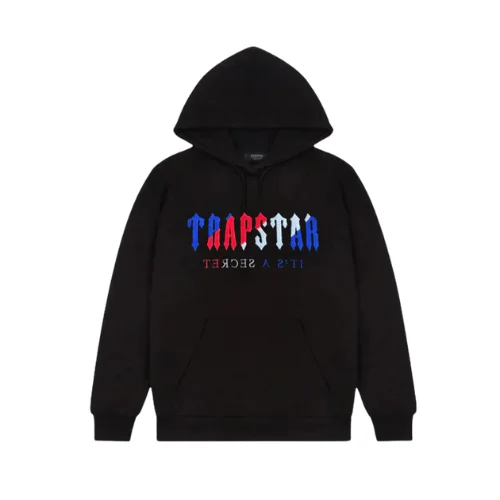
Trapstar has become one of the most recognizable names associated with modern streetwear, particularly because of its strong connection to music, urban culture, and self-expression. What makes the brand interesting is not simply the clothing itself but the attitude represented through its designs. Streetwear has always been influenced by the environments where people live, create, and socialize, and Trapstar reflects that relationship through a visual identity that feels bold and unmistakable. Rather than following traditional fashion conventions, its aesthetic has developed around confidence, individuality, and an appreciation for underground culture. This approach has helped Trapstar establish a presence far beyond ordinary casual clothing. Its designs often feel like a reflection of a lifestyle in which music, creativity, community, and fashion overlap. As streetwear has become increasingly influential around the world, Trapstar has remained connected to the raw energy that originally made urban fashion so culturally important.
How Trapstar Became Part of Modern Street Culture
Streetwear rarely develops in isolation. It grows alongside music scenes, creative communities, sports, nightlife, art, and the everyday experiences of people in cities. Trapstar’s identity has been shaped by this same environment, giving its clothing a cultural character that distinguishes it from brands focused purely on seasonal fashion. The brand became particularly associated with London’s urban scene, where different creative influences have long interacted to produce new approaches to style. Instead of treating clothing as something separate from culture, Trapstar became part of the conversation itself. Its pieces could appear alongside music, photography, events, and everyday street life, allowing the brand to develop an identity that felt authentic to its audience. This cultural connection is important because successful streetwear is often about belonging as much as appearance. Wearing a particular design can communicate an appreciation for a certain creative world while still leaving enough freedom for the individual to make the style their own.
The Visual Language That Makes Trapstar Recognizable
A strong fashion identity depends on consistency, and Trapstar has built recognition through a visual language that can be identified across different types of clothing. Bold graphics, distinctive lettering, strong contrasts, and carefully positioned branding can give even a simple garment a memorable presence. This is particularly effective in streetwear because the clothing often needs to work from a distance as well as up close. A recognizable graphic or emblem can become associated with the wider identity of a brand, allowing individual garments to feel connected even when their designs are different. Trapstar’s visual approach also demonstrates how streetwear can balance mystery and confidence. Instead of relying entirely on elaborate decoration, a strong graphic element can communicate attitude without requiring an overly complicated design. This gives the clothing a direct visual impact while maintaining the rebellious character often associated with urban fashion.
Trapstar Hoodies and Their Place in Everyday Fashion
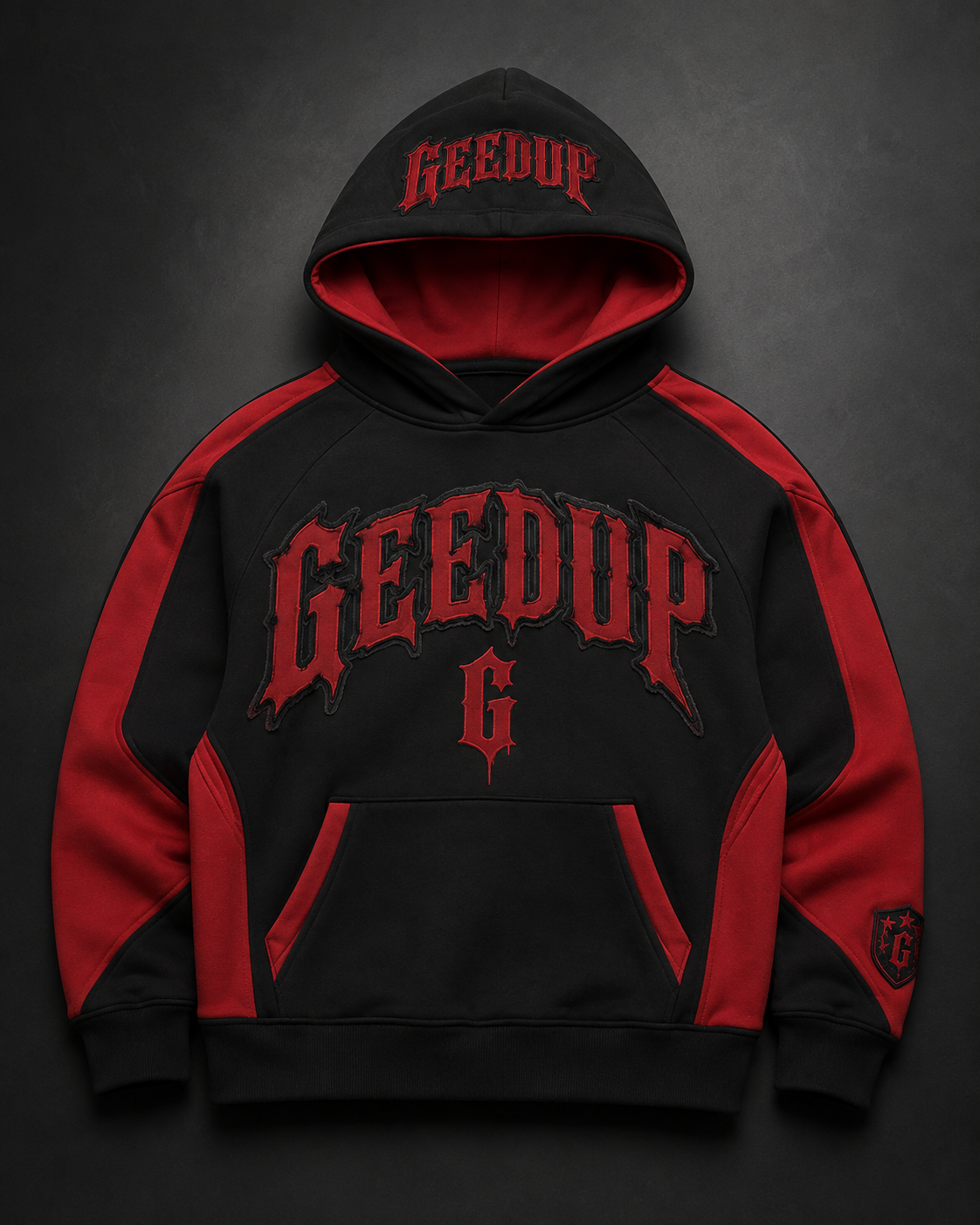
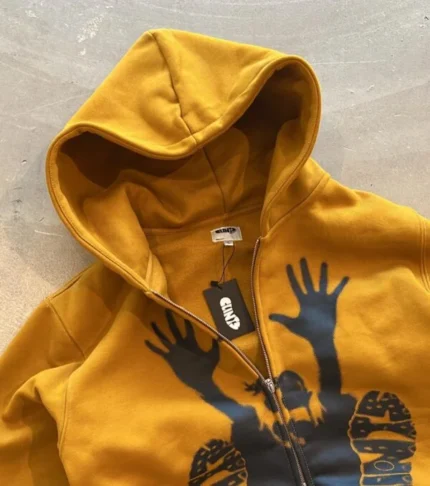
The hoodie has become one of the most important garments in modern streetwear, and it naturally fits the Trapstar aesthetic. A hoodie combines comfort with an expansive surface for graphics, logos, and design details, making it both practical and visually expressive. Trapstar Bag -inspired hoodie styling can range from understated combinations to much stronger outfits where the hoodie becomes the central focus. Relaxed trousers, denim, cargo-inspired bottoms, and casual sneakers can all complement an oversized or standard-fit hoodie depending on the desired appearance. Layering can add another dimension, particularly during colder weather, when a hoodie can be worn beneath a jacket or coat. The versatility of the hoodie is one reason it continues to remain relevant despite changing fashion trends. It works for casual daily wear while also carrying enough visual presence to become a statement piece. For streetwear enthusiasts, this combination of practicality and identity makes the hoodie an essential part of the wider fashion conversation.
Why Trapstar Connects So Strongly With Music Culture
Music has always played an important role in the development of streetwear, and Trapstar’s relationship with contemporary music culture has contributed significantly to its public identity. Musicians and fashion have influenced each other for decades, with artists using clothing to communicate personality, creativity, and cultural affiliation. Streetwear brands, in turn, benefit from appearing naturally within those creative environments rather than simply advertising themselves through conventional campaigns. Trapstar has been associated with this intersection of fashion and music, helping its clothing become recognizable among audiences interested in contemporary urban culture. This connection demonstrates how a garment can become culturally meaningful when it appears within a wider creative movement. Music gives fashion an atmosphere, while fashion gives music a visual language. When the two develop together, they can create an identity that feels much stronger than either element could produce independently.
Building a Trapstar-Inspired Outfit
Creating a strong streetwear outfit does not require wearing every recognizable element at once. In many cases, the best approach is to select one focal garment and allow the rest of the outfit to support it. A graphic hoodie, for example, can become the main feature when combined with simpler trousers and understated footwear. Alternatively, a branded jacket can provide the central visual element while a plain top and relaxed bottoms create balance. Proportions are also important. Oversized tops can work well with straight or relaxed trousers, while a more fitted upper layer can be paired with wider bottoms for contrast. Accessories should complement the outfit rather than compete with it. This approach allows the Trapstar aesthetic to feel natural rather than forced. Personal style ultimately comes from understanding how individual pieces interact, and the strongest outfits usually demonstrate balance between statement details and simpler foundations.
The Importance of Color in Trapstar Styling
Color can completely change the personality of a streetwear outfit. Dark shades often create a strong and understated appearance, while brighter accents can add energy and make specific design elements more noticeable. Black, grey, white, and other neutral tones are particularly versatile because they can support stronger graphics without creating unnecessary visual competition. However, color does not need to be limited to neutral combinations. A carefully selected accent can bring an otherwise simple outfit to life. The key is understanding how colors interact rather than simply choosing the brightest options available. Trapstar’s bold visual identity can work particularly well with controlled color palettes because the graphics and branding can remain visually prominent. Whether someone prefers a subtle outfit or a more expressive look, color provides an easy way to adapt streetwear while maintaining the same overall identity.
Trapstar and the Evolution of British Streetwear
British streetwear has developed its own distinctive character through influences from music, football culture, youth communities, art, and urban life. London in particular has played an important role in shaping contemporary street fashion, with different neighborhoods and creative scenes contributing their own ideas. Trapstar is closely associated with this broader cultural environment, making it part of a significant chapter in the evolution of British streetwear. The importance of this connection goes beyond geography. British urban fashion has increasingly influenced audiences internationally, demonstrating that streetwear does not have to originate from traditional fashion capitals to become globally relevant. Trapstar’s identity reflects the confidence of a scene that developed its own vocabulary rather than simply copying established luxury trends. This independent spirit is one of the qualities that continues to make British streetwear influential.
Social Media and the Expansion of Trapstar’s Audience
Digital platforms have transformed the way fashion brands communicate with audiences. In the past, a clothing label might have depended heavily on magazines, physical stores, and traditional advertising to build recognition. Today, photographs, short videos, styling posts, and online communities can introduce a brand to people thousands of miles away almost instantly. Trapstar’s strong visual identity is naturally suited to this environment because distinctive graphics and recognizable garments can be easily identified in photographs and street-style content. Social media also allows consumers to become part of a brand’s visual story. People do not simply see clothing in advertisements; they see how other individuals combine it with their own wardrobes. This creates a cycle of inspiration in which one outfit can influence another while still being interpreted differently. As a result, Trapstar’s aesthetic can travel across countries while retaining its connection to its original urban identity.
Comfort and Personality in Contemporary Streetwear
Modern fashion increasingly places comfort alongside appearance, and streetwear has been central to this shift. People want clothing that allows movement and fits naturally into busy everyday lifestyles without making them feel disconnected from fashion. Hoodies, relaxed trousers, jackets, and casual footwear provide practical foundations while still leaving room for personal expression. Trapstar’s aesthetic fits comfortably within this broader movement because its clothing can be incorporated into outfits that feel relaxed rather than overly formal. The emphasis is not simply on looking fashionable but on creating an appearance that feels believable and personal. This is particularly important for younger fashion audiences who often value authenticity over strict adherence to traditional fashion rules. When comfort and identity work together, clothing becomes easier to wear repeatedly and style in different ways.
The Cultural Influence of Trapstar
Trapstar’s influence can be understood through the way it represents a broader shift in how fashion brands are created and experienced. A streetwear label does not necessarily need to follow the traditional path of fashion houses to become culturally significant. It can grow through community, creative relationships, music, social media, and a recognizable visual identity. Trapstar demonstrates the power of this model by maintaining a connection to urban culture while reaching audiences far beyond its original environment. Its appeal is not based solely on individual garments. Instead, the clothing represents a particular attitude toward creativity and personal style. This is why streetwear can become so meaningful to its audience. A favorite garment can carry memories of music, places, friendships, and cultural moments, giving it a significance that extends beyond its physical design.
What Makes Trapstar Relevant Today
Fashion constantly changes, but brands with strong identities can remain relevant by adapting without losing the qualities that made them recognizable. Trapstar μπουφαν continues to fit into contemporary streetwear because the ideas behind its aesthetic remain connected to values that have not disappeared: individuality, creativity, confidence, and cultural expression. Today’s fashion audience has access to an enormous range of influences, yet this abundance makes recognizable identity even more valuable. People often look for clothing that feels distinctive rather than generic. Trapstar’s established visual language provides that distinction while still leaving room for personal styling. Whether worn casually or incorporated into a more carefully constructed streetwear outfit, its aesthetic can function as a foundation for individual expression.
Final Thoughts on Trapstar Streetwear
Trapstar represents more than a collection of fashionable garments. Its identity has developed through the relationship between clothing, music, urban culture, and personal expression. From recognizable graphics and statement hoodies to relaxed everyday styling, the aesthetic captures many of the qualities that have made streetwear such an influential part of modern fashion. Its connection to British urban culture gives the brand an important sense of place, while its visual identity allows the style to travel across international audiences. Most importantly, Trapstar demonstrates that fashion can communicate attitude without requiring complicated rules. A strong piece can become the foundation of an outfit, while the person wearing it remains responsible for the final interpretation. That combination of recognizable identity and individual freedom is what keeps the Trapstar aesthetic relevant within the constantly changing world of contemporary streetwear.












Leave a Reply