

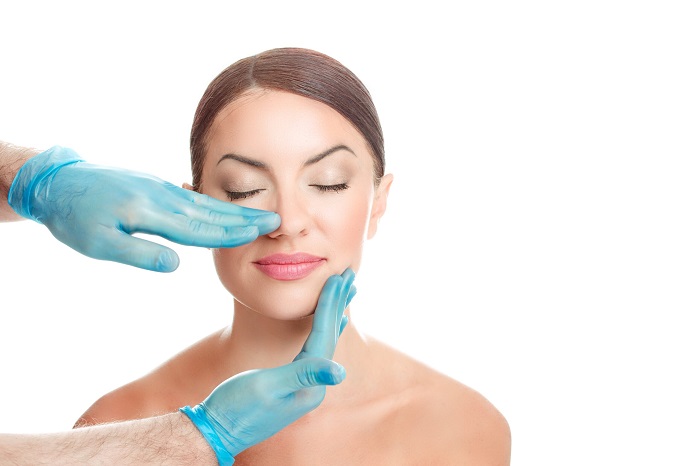
Rhinoplasty in Islamabad is a popular nose reshaping procedure that can change the size, shape, proportions, or overall appearance of the nose. It may also address certain structural problems that affect breathing. However, many Pakistani patients still come across myths about rhinoplasty that can create unrealistic expectations or unnecessary concerns. Understanding the difference between facts and misconceptions can help patients make informed decisions.
Myth: Rhinoplasty Is Only for Cosmetic Reasons
Fact: Rhinoplasty can have both cosmetic and functional purposes. While many people undergo surgery to improve nasal appearance, the procedure may also address structural concerns such as nasal asymmetry or breathing difficulties caused by certain nasal problems.
A consultation should therefore focus on both appearance and nasal function. Patients should clearly explain whether their main concern is cosmetic, functional, or a combination of both.
Myth: Rhinoplasty Always Creates a Perfectly Symmetrical Nose
Fact: Perfect facial symmetry is not realistic. Most people naturally have some degree of facial asymmetry, and rhinoplasty aims to improve balance and proportion rather than create mathematical perfection.
The final appearance can also vary according to factors such as skin thickness, bone structure, cartilage, healing response, and individual anatomy. Realistic expectations are an important part of successful treatment.
Myth: Rhinoplasty Results Are Visible Immediately
Fact: The nose needs time to heal after surgery. Swelling and bruising are common during the early recovery period, and the appearance can continue to change as the tissues settle.
Initial swelling generally decreases over the first few weeks, but subtle swelling can remain for months. The American Society of Plastic Surgeons notes that the nasal contour can continue refining for up to a year.
Pakistani patients should therefore avoid judging the final result too early.
Myth: Rhinoplasty Recovery Takes Only a Few Days
Fact: Although many patients can return to lighter daily activities relatively soon, complete healing takes considerably longer. Depending on the individual procedure and recovery, patients may need around one to two weeks away from work or normal commitments. Strenuous exercise and activities that could injure the nose may need to be avoided for several weeks.
Patients should follow their surgeon’s specific instructions rather than comparing their recovery with someone else’s experience.
Myth: Rhinoplasty Is Completely Risk-Free
Fact: Rhinoplasty is a surgical procedure and, like other surgeries, carries potential risks. These may include infection, bleeding, changes in sensation, breathing difficulties, poor wound healing, swelling, dissatisfaction with appearance, or the possibility of revision surgery.
Discussing medical history, medications, expectations, and potential complications during consultation can help patients understand their individual risk profile.
Myth: Anyone Can Have the Same Nose Shape
Fact: A nose should be planned according to the individual’s facial proportions and anatomy. A particular nose shape that looks attractive on one person may not produce the same balanced appearance on another.
For patients considering Rhinoplasty in Islamabad, the goal should generally be a natural-looking result that complements their existing facial features rather than simply copying another person’s nose.
Myth: Rhinoplasty Is Only for Young People
Fact: Age alone does not determine whether someone is suitable for rhinoplasty. Facial growth should generally be complete, and the patient should be in suitable overall health with realistic expectations.
A qualified medical professional can assess whether rhinoplasty is appropriate based on the patient’s development, health, nasal anatomy, and individual goals.
What Pakistani Patients Should Consider Before Rhinoplasty
Before deciding on surgery, patients should seek a detailed consultation and ask about the planned technique, expected recovery, possible risks, breathing considerations, and follow-up care. Rhinoplasty may be performed using open or closed approaches depending on the patient’s anatomy and surgical goals.
Patients should also avoid choosing a procedure solely because of social media images or another person’s results. Every nose and healing process is different.
Benefits of Rhinoplasty
Rhinoplasty can offer both aesthetic and functional benefits, depending on the patient’s individual needs. Some potential benefits include:
- Improved facial balance: Reshaping the nose can create better harmony between the nose and other facial features.
- Enhanced nose shape: The procedure may address concerns related to the size, width, tip, bridge, or overall contour of the nose.
- Better nasal symmetry: Rhinoplasty can help improve noticeable irregularities or asymmetry.
- Potential breathing improvement: When structural nasal problems contribute to breathing difficulties, functional correction may help improve airflow.
- Increased self-confidence: Patients who feel uncomfortable about the appearance of their nose may experience greater confidence after achieving a result that suits their facial features.
- Long-lasting results: Once healing is complete, the structural changes made during rhinoplasty are generally long-lasting.
Frequently Asked Questions
Is rhinoplasty painful?
Some discomfort, congestion, swelling, and bruising can occur after surgery. Pain is generally managed with medication prescribed according to the patient’s needs.
How long does rhinoplasty swelling last?
Major swelling usually improves during the first few weeks, but residual swelling can continue for several months. Subtle changes may continue as the nose gradually refines.
Can rhinoplasty improve breathing?
In selected patients, rhinoplasty can be combined with treatment of structural nasal problems to improve airflow. A proper assessment is necessary to determine whether surgery may help with breathing.
When can I return to exercise after rhinoplasty?
Light activity may be resumed relatively early when approved by the medical team, but strenuous exercise and contact activities are usually restricted for several weeks to protect the healing nose.
Are rhinoplasty results permanent?
Rhinoplasty produces long-lasting structural changes, although the nose naturally changes with aging. The final result may take up to a year or longer to fully refine.
Final Thoughts
Rhinoplasty is more than simply changing the shape of the nose. Understanding the facts behind common myths can help Pakistani patients approach the procedure with realistic expectations and better preparation. If you are considering Rhinoplasty in Islamabad, discuss your goals, nasal function, recovery expectations, and potential risks with a qualified healthcare professional before making a decision.
SKN Cosmetics in Islamabad is an aesthetic and cosmetic clinic in Islamabad offering a range of cosmetic and aesthetic treatments. Patients considering rhinoplasty can discuss their concerns, expectations, nasal appearance, and treatment options during a professional consultation. A personalized assessment can help determine whether rhinoplasty is suitable and what type of approach may best match the patient’s facial structure and goals.





















Leave a Reply