

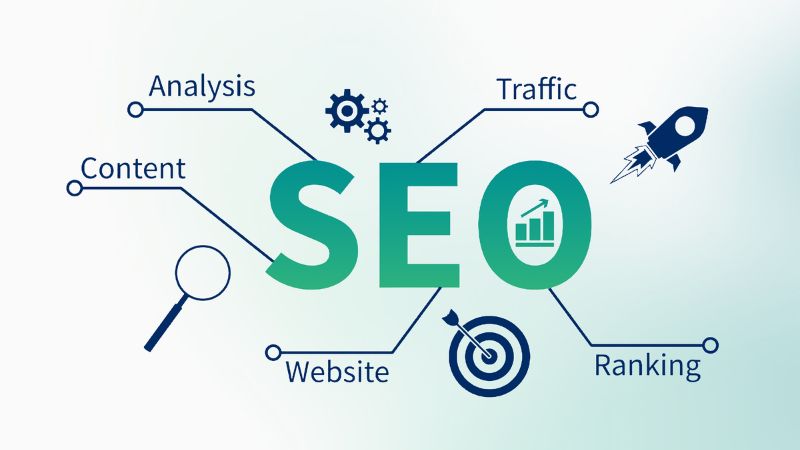
In today’s digital marketplace, getting noticed online can be just as important as offering a great product or service. With customers relying heavily on search engines to discover local businesses, Seo Services Mississauga can play a valuable role in helping a company improve visibility, attract qualified visitors, and compete more effectively. But can SEO really help you move ahead of competitors? The answer is yes—when it is built around your audience, your market, and a clear understanding of what competitors are doing online.
Why Search Visibility Matters for Local Businesses
Imagine two businesses offering similar services in the same area. One appears prominently when potential customers search for relevant services, while the other is buried several pages deep. Even if both businesses provide excellent experiences, the first company has a major advantage: it gets more opportunities to be seen.
Search visibility influences the customer journey from the very beginning. A strong presence can put your business in front of people who are already searching for what you offer.
Higher Visibility Can Bring Better Traffic
SEO is not simply about attracting more visitors. The goal is to attract relevant visitors who have genuine interest in your products or services. When your website ranks for keywords that match customer intent, the traffic you receive is more likely to become inquiries, bookings, purchases, or repeat customers.
This makes organic search particularly valuable for businesses competing in crowded local markets.
How SEO Can Give You a Competitive Advantage
Beating competitors does not necessarily mean copying everything they do. It means identifying opportunities they have overlooked and creating a better experience for the people you want to reach.
Competitor Research Reveals Opportunities
A thoughtful SEO strategy begins by understanding the competitive landscape. Businesses can examine which topics competitors rank for, what types of pages attract attention, how their websites are structured, and where gaps exist.
For example, competitors may have strong service pages but weak informational content. They may rank for broad terms but overlook specific questions customers frequently ask. These gaps can become opportunities for your website.
Better Content Builds Authority
Useful content can help establish your business as a trustworthy source of information. Instead of filling pages with keywords, focus on answering real customer questions.
High-quality content should be:
- Relevant to your target audience
- Easy to understand
- Original and genuinely useful
- Organized with clear headings
- Supported by accurate information
- Written around search intent rather than keyword repetition
When your content consistently helps users, your website has a stronger foundation for long-term organic visibility.
Local SEO Can Put Your Business in Front of Nearby Customers
For businesses serving a specific geographic market, local search optimization can be especially important. Customers often include locations in their searches or rely on search engines to identify nearby businesses.
Optimize Your Local Presence
A strong local strategy should make it easy for both search engines and customers to understand where your business operates and what it provides.
Important areas may include your business profile, location information, website contact details, service areas, local landing pages, and customer reviews. Consistency across these elements helps create a more trustworthy online presence.
Reviews Can Influence Customer Decisions
Reviews do more than provide social proof. They can influence whether someone chooses your business after discovering it in search results.
Encouraging satisfied customers to leave honest feedback can strengthen credibility. Responding professionally to reviews also demonstrates that your business values customer experiences.
Technical SEO Creates a Stronger Website Foundation
Even excellent content can struggle if a website delivers a poor user experience. Technical SEO focuses on making a website easier for search engines to crawl, understand, and index while also improving usability.
Important Technical Factors
Businesses should pay attention to areas such as:
- Mobile responsiveness
- Page loading performance
- Secure browsing
- Logical site structure
- Broken links
- Indexing issues
- Duplicate content
- Clear internal linking
- Descriptive page titles and headings
A technically sound website allows your content to perform from a stronger foundation.
User Experience Can Separate You From Competitors
Ranking well is only part of the equation. Once visitors reach your website, they need a reason to stay.
A confusing website, slow pages, difficult navigation, or unclear calls to action can quickly send potential customers elsewhere.
Make Every Visit More Useful
Think about what a customer needs at each stage. Can they quickly understand what you offer? Can they find answers without searching through multiple pages? Is contacting your business straightforward?
A clean design, concise messaging, intuitive navigation, and helpful calls to action can turn search traffic into meaningful business opportunities.
SEO Is a Long-Term Competitive Strategy
One of the biggest misconceptions about SEO is that it produces instant results. Sustainable organic growth generally requires ongoing work, testing, refinement, and patience.
Monitor What Works
Search behavior changes, competitors publish new content, and search engine algorithms evolve. Regular monitoring helps businesses identify what is performing and where improvements are needed.
Useful performance indicators can include:
- Organic traffic
- Search rankings
- Click-through rates
- Engagement
- Leads and conversions
- Local visibility
- High-performing landing pages
The goal should not be to chase rankings for their own sake. Instead, measure whether SEO is helping you reach the right audience and achieve meaningful business outcomes.
Can SEO Actually Help You Beat Competitors?
Absolutely—but SEO should not be treated as a shortcut or a one-time marketing task. Its competitive value comes from combining several elements: strong content, technical performance, local relevance, useful user experiences, and continuous analysis.
Your competitors may already have an established online presence, but that does not mean the market is closed. Search results are constantly changing, customer needs evolve, and new content opportunities appear every day.
The businesses most likely to gain an advantage are those willing to understand their audience better and provide more useful answers than the alternatives.
Final Thoughts
SEO can become a powerful competitive advantage when it is approached strategically. Rather than trying to manipulate search results, focus on building a website that deserves attention: one that answers customer questions, demonstrates credibility, works smoothly on every device, and makes it easy for visitors to take the next step.
The real opportunity is not simply to outrank competitors. It is to become the business customers remember and trust after discovering you through search.
Frequently Asked Questions
1. Can SEO help a small business compete with larger companies?
Yes. Smaller businesses can compete by targeting specific search terms, serving local audiences, creating specialized content, and providing a more relevant customer experience.
2. How long does it take to see SEO results?
The timeline varies depending on competition, website condition, content quality, industry, and the existing authority of the website. SEO generally requires consistent effort rather than expecting immediate results.
3. Is local SEO important for businesses in Mississauga?
Yes. Businesses that primarily serve customers in a particular geographic area can benefit significantly from local optimization because it helps connect their services with people searching within or around their target location.
4. What makes an SEO strategy better than a competitor’s?
A stronger strategy usually combines better search intent research, more useful content, sound technical optimization, stronger local relevance, and continuous performance analysis.
5. Can SEO increase leads as well as website traffic?
Yes. When SEO attracts visitors who are actively looking for relevant products or services, it can contribute to lead generation. However, the website must also provide a clear, trustworthy, and convenient path toward conversion.















Leave a Reply