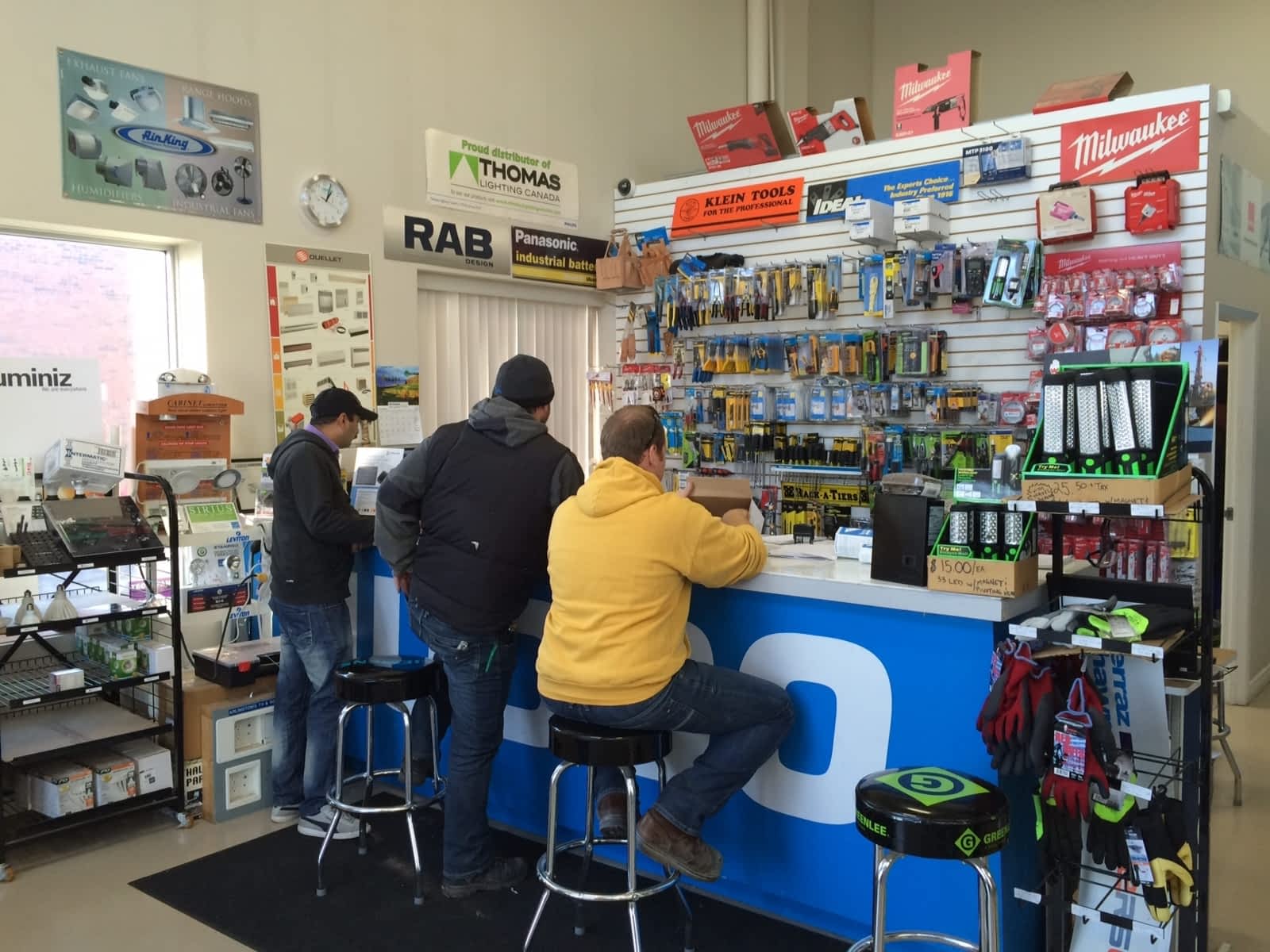
Most days, you don’t think about electricity at all until something stops working the way it should. Then one morning your breaker trips for the third time that week, or your contractor asks for a part you’ve never heard of, and suddenly you’re standing there wondering who you’re even supposed to call.
That’s the moment this guide is for. Whether you’re a homeowner dealing with a flickering light or a contractor trying to source the right parts fast, understanding the basics of electrical services and electrical supply in North York saves you time, money, and a lot of frustration.
You don’t need to become an electrician overnight. You just need to know enough to ask the right questions and pick the right person or place for the job.
What’s the Difference Between Electrical Services and Electrical Supply?
Here’s where people get confused, and honestly, it’s an easy mix-up.
Electrical services are the hands-on work: an electrician coming to your home or job site to install, repair, or inspect something. Think wiring a new panel, fixing a faulty outlet, or setting up lighting for a renovation.
Electrical supply is different. It’s the physical stuff, wires, breakers, panels, conduit, and fixtures, that make all that work possible. You need both to get a job done. A great electrician without the right parts is stuck. And a supply house full of parts doesn’t help without someone who knows how to install them safely.
Why This Actually Matters to You
So why should you care if you’re just trying to fix one outlet?
Because knowing the difference changes how you shop and who you call. If your breaker keeps tripping, you need a licensed electrician to diagnose it, not a trip to a supply counter. But if you’re a contractor stocking up for three jobs this week, you need a reliable electrical supply in North York with inventory on hand and staff who know what you need.
Getting this wrong wastes your day. You end up driving across town for a part that’s out of stock, or worse, hiring the wrong kind of help for the job in front of you.
The Basics Every Homeowner or Contractor Should Know
Let’s break this down into things you can actually use.
For homeowners:
- Not every electrical issue is a DIY fix. Anything involving your panel, wiring behind walls, or new circuits needs a licensed electrician.
- Flickering lights, warm outlets, or a breaker that trips often aren’t small quirks. They’re warning signs worth calling someone about.
- Always ask if the electrician is licensed and insured. It’s a simple question that protects you if anything goes sideways.
- Don’t wait until something breaks completely. Small issues, like a switch that feels warm or a light that buzzes, are usually cheaper to fix early than after they turn into a bigger repair.
For contractors and tradespeople:
- Buying in bulk from a dedicated electrical supply store in North York almost always beats piecing things together from a big box store.
- Building a relationship with a supplier who understands job timelines means fewer delays when you need parts fast.
- Keeping a small stock of commonly used items, wire nuts, breakers, GFCI outlets- on hand can save you a same-day run when a job takes an unexpected turn.
For property managers:
- Scheduling regular electrical inspections catches small problems before they become expensive emergencies.
- Having a go-to electrical service on call means you’re not scrambling when a tenant reports an issue at 9 p.m.
- Keep a record of past electrical work done on the property. It saves time for whoever shows up next, whether that’s the same electrician or someone new.
A Few Real-World Examples
Let’s make this less abstract with a few scenarios you might actually recognize, because chances are you’ve lived through at least one of them.
Say you’re renovating your kitchen and want to add pot lights. You’ll need an electrician to run new wiring and install the fixtures, but you’ll also need someone who can source the right dimmer switches and junction boxes. That’s electrical service and electrical supply working together on one project.
Or maybe you’re a contractor mid-renovation and you run out of a specific gauge of wire on a Friday afternoon. Having a supplier nearby who carries what you need, and who you already have a relationship with, is the difference between finishing the job on time and pushing everything to Monday.
And here’s one more: your office building’s lights keep flickering in one section. That’s not something to ignore or patch with a new bulb. It usually points to a wiring issue that needs a professional to look at the panel and circuits, not just the fixture.
What to Look For in a Provider
Not all electrical suppliers or service providers are created equal, and picking the right one matters more than people realize.
Look for a supplier that actually stocks what contractors need day to day, not just a limited retail selection. Ask about turnaround times, because a supply house that takes a week to restock isn’t much help when you’re mid-project. And check whether they understand your industry, whether that’s residential, commercial, or industrial work.
For services, licensing and insurance aren’t optional extras. They’re the baseline. Beyond that, look for a provider who explains what they’re doing and why, instead of leaving you in the dark about your own electrical system.
And don’t be afraid to ask for a quote upfront. A provider who hesitates to give you clear pricing before starting the work is a red flag worth paying attention to.
Bringing It All Together
Electricity runs quietly in the background of your life until it doesn’t. And when something goes wrong, or when you’re the one building or maintaining a space, having the right people and the right parts on your side makes all the difference.
Whether you need a trusted electrical service in North York for a repair or installation, or you’re hunting down supplies for your next job, the basics are the same: know what you actually need, ask the right questions, and work with people who know the difference between a quick fix and a real solution.
So next time a light flickers or a breaker trips, will you know exactly who to call?