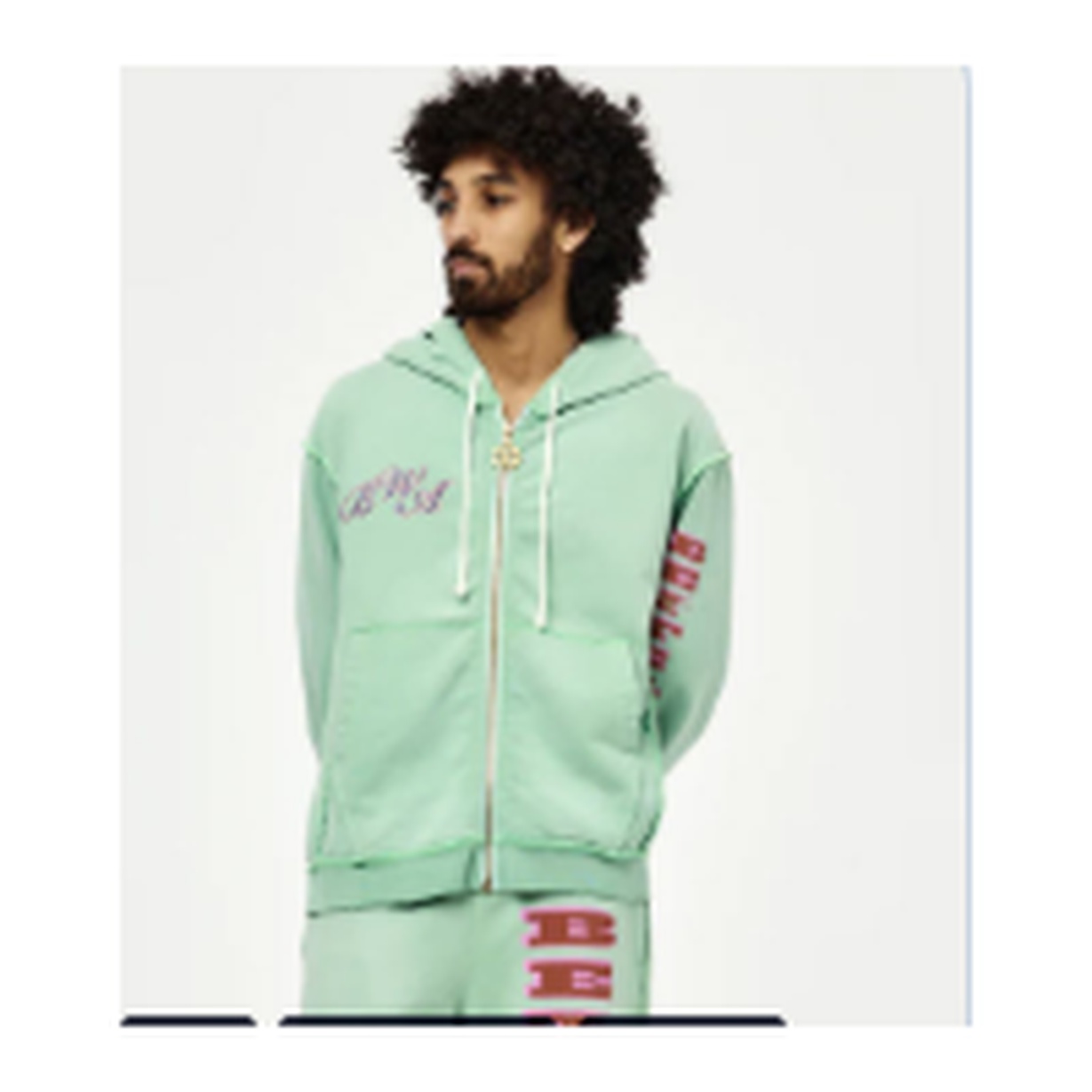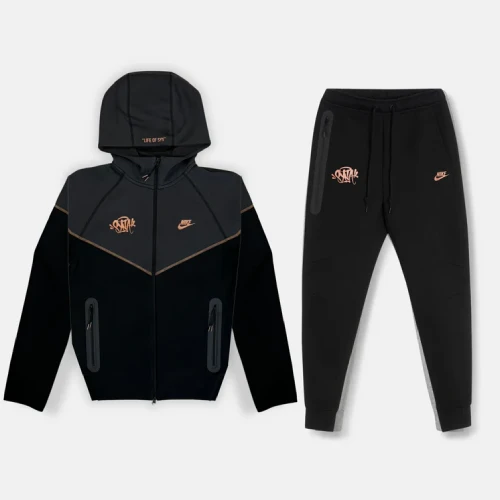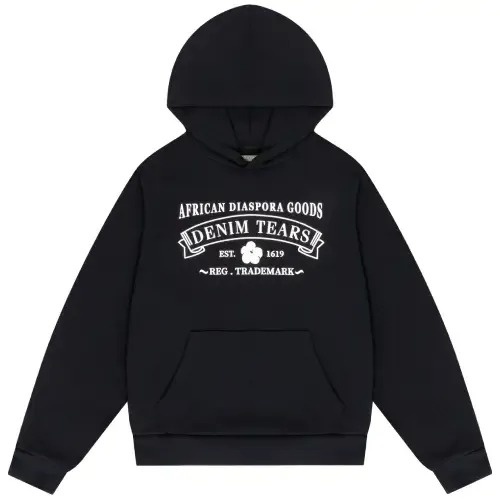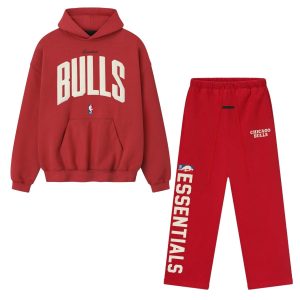
Essentials Tracksuit pieces have become a familiar part of contemporary streetwear, particularly for people who want relaxed clothing that works across different parts of everyday life. A well-designed tracksuit can be worn for travelling, casual weekends, errands, social plans, or simply relaxing at home. Its appeal comes from the balance between comfort and a clean, understated appearance.
In the UK, where unpredictable weather often influences clothing choices, versatile layers are especially useful. A tracksuit can be combined with a T-shirt in mild conditions or layered beneath a jacket when temperatures fall. The same approach also makes it easier to build a practical wardrobe without relying on overly complicated outfits.
However, choosing the right tracksuit involves more than selecting a popular colour or familiar logo. Fit, fabric weight, construction, sizing and intended use all affect how a set looks and feels. This guide explores those details while explaining how an Essentials Hoodie and Essentials T-Shirt can work alongside tracksuit pieces to create adaptable outfits.
What Makes an Essentials Tracksuit Suitable for Everyday Wear?
A modern tracksuit is designed around simplicity. Rather than relying on elaborate styling, it typically combines a sweatshirt or hoodie with matching trousers, creating a coordinated outfit with minimal effort.
The most useful characteristics include:
- A comfortable, relaxed silhouette
- Soft and durable fabric
- A practical colour palette
- Consistent branding
- Trousers with a useful everyday fit
- Easy compatibility with other wardrobe staples
This versatility is one reason coordinated sets remain relevant in streetwear. The top and trousers can be worn together for a complete look or separated to create different combinations.
For example, a neutral tracksuit can be paired with a plain T-shirt and trainers. Alternatively, the trousers can be worn with an overshirt or lightweight jacket. This flexibility makes the set more useful than an item that only works as part of one specific outfit.
Choosing the Right Fit for a Tracksuit
Fit has a major influence on how casual clothing looks. Streetwear often favours relaxed proportions, but relaxed does not necessarily mean excessively oversized.
Understanding the Upper Half
When choosing the top, consider the shoulder position, sleeve length and overall body length. A slightly relaxed sweatshirt can create an easy silhouette without appearing shapeless.
If you prefer additional layering space, a roomier hoodie can work well over a T-shirt. In contrast, a more structured sweatshirt may be better when you want a cleaner appearance.
Finding Comfortable Trousers
Tracksuit trousers should allow comfortable movement without becoming unnecessarily loose. Pay attention to:
- Waistband comfort
- Rise and seat
- Thigh width
- Leg length
- Cuff or ankle opening
Checking the brand’s measurements rather than relying exclusively on your usual size is often the safest approach. Sizing can vary between collections and different garment cuts.
Fabric, Weight and Construction Matter
The fabric used in a tracksuit affects comfort, appearance and seasonal suitability. Cotton-rich fleece is common in casualwear because it offers softness and warmth, while lighter jersey fabrics can be more suitable for transitional weather.
Fabric weight is another useful consideration. Heavier materials tend to create a more substantial silhouette and may be particularly comfortable during colder UK months. Lighter fabrics can provide greater flexibility during spring or early autumn.
Construction also deserves attention. Look at stitching around high-stress areas, the quality of waistbands and cuffs, pocket construction and the overall consistency of the garment.
A good everyday garment should feel comfortable while maintaining its shape after repeated wear. These practical details are often more important than branding alone.
How to Choose Colours That Work Beyond One Outfit
Colour selection can determine how frequently a tracksuit gets worn. Neutral shades tend to offer the greatest flexibility because they can be combined with a wide range of footwear and outerwear.
Common options include:
- Black
- Grey
- Cream
- Beige
- Brown
- Muted green
- Soft neutral tones
Black is particularly straightforward because it works with almost any colour. Grey provides a softer alternative and can be combined with white, black or darker outer layers.
For a more varied wardrobe, earthy shades can add interest without becoming difficult to style. The key is to choose a colour that complements clothing you already own rather than buying a set that requires several additional purchases.
Styling an Essentials Hoodie With Everyday Pieces
An Essentials Hoodie can work as the main layer of a casual outfit or as part of a broader layered look. Its styling possibilities depend largely on proportion and colour.
For a simple weekend outfit, try:
- A neutral hoodie
- Coordinating or contrasting tracksuit trousers
- Clean low-profile trainers
- A lightweight jacket when necessary
A hoodie can also be worn with jeans or relaxed trousers when you want to break up a matching tracksuit. This creates a less coordinated but equally casual appearance.
During colder months, layering becomes more practical. A hoodie can sit underneath a larger coat or padded jacket, provided there is enough room through the shoulders and sleeves.
Building Outfits Around an Essentials T-Shirt
An Essentials T-Shirt is another useful foundation for a streetwear wardrobe. Its simplicity makes it easy to combine with tracksuit trousers, denim, shorts and outerwear.
Casual Layering
During warmer weather, a T-shirt and tracksuit trousers can provide a straightforward outfit. When temperatures drop, the T-shirt can become the base layer underneath a sweatshirt, hoodie or jacket.
A simple colour strategy is often effective. For example, a white or neutral T-shirt can provide contrast beneath a darker hoodie. A black T-shirt can create a more tonal appearance when combined with dark trousers and outerwear.
The advantage of this approach is that individual pieces remain useful outside the original outfit. Instead of treating a tracksuit as a single uniform, you can use each garment as part of a wider wardrobe.
How to Style a Tracksuit for Different UK Seasons
The UK’s changing weather makes layering particularly useful.
Spring
Choose lighter fabrics and use a T-shirt beneath the tracksuit top. A lightweight waterproof or overshirt can provide an additional layer when conditions change.
Summer
A complete tracksuit may be too warm for some days. Instead, wear the trousers with a T-shirt or use a lighter sweatshirt during cooler evenings.
Autumn
Autumn is well suited to layered streetwear. Combine a tracksuit with a T-shirt and a lightweight jacket, adjusting the layers throughout the day.
Winter
Heavier fabrics can provide additional warmth, while a coat or insulated jacket can be added over a hoodie or sweatshirt. Accessories such as beanies and scarves can also contribute both function and visual balance.
Buying a Tracksuit: A Practical Checklist
Before purchasing, it helps to assess the garment objectively rather than focusing only on appearance.
Consider the following checklist:
- Measurements: Compare the size chart with a garment you already own.
- Fabric: Check the material composition and approximate weight.
- Fit: Decide whether you want relaxed, regular or oversized proportions.
- Colour: Choose a shade that works with existing footwear and outerwear.
- Construction: Examine seams, cuffs, pockets and fastenings.
- Use: Think about whether the set is mainly for lounging, travel or everyday streetwear.
- Care: Check washing instructions before buying.
- Versatility: Consider whether each piece works separately.
For additional information on available styles and collections, the Essentials Tracksuit range can be used as a reference when comparing designs, colours and garment combinations.
Caring for Your Tracksuit Properly
Proper care can help everyday clothing maintain its appearance for longer. Always follow the specific care label because fabric blends and finishes can have different requirements.
In general, useful habits include:
- Washing garments according to their care instructions
- Avoiding unnecessarily high temperatures
- Turning printed or branded garments inside out where appropriate
- Using suitable detergents
- Avoiding excessive tumble drying when the care label advises against it
- Allowing garments to dry naturally when suitable
Do not assume that frequent washing at high temperatures will improve cleanliness. For many casual garments, gentler washing can help reduce unnecessary wear.
Storage also matters. Fold heavier knit or fleece garments where appropriate rather than leaving them compressed for long periods. Keeping clothes away from excessive heat and moisture can help preserve their condition.
Creating a More Versatile Streetwear Wardrobe
A tracksuit becomes more valuable when it connects naturally with the rest of your wardrobe. Instead of buying multiple similar sets, consider whether new pieces add useful variety.
A balanced casual wardrobe might include:
- One dark tracksuit
- One lighter neutral set
- Several plain T-shirts
- A versatile hoodie
- Straight or relaxed denim
- A lightweight jacket
- A warmer winter coat
- Everyday trainers
This approach gives you multiple combinations without requiring an oversized wardrobe.
For example, the tracksuit trousers can work with a T-shirt in spring, a hoodie in autumn and a heavier coat during winter. The sweatshirt can be paired with jeans, while the T-shirt can work underneath almost any casual outer layer.
The result is a wardrobe based on interchangeable pieces rather than isolated outfits.
Conclusion
An Essentials Tracksuit can be a practical foundation for a modern streetwear wardrobe when comfort, fit and versatility are considered together. Rather than choosing a set simply because it is fashionable, shoppers should think about how the fabric, proportions, colour and construction fit their everyday needs.
For UK wearers, layering is particularly valuable. A tracksuit can adapt to changing temperatures by working with T-shirts, hoodies, jackets and coats throughout the year. Individual pieces can also be separated, allowing the same purchase to create several different outfits.
Fit should remain a priority. Checking garment measurements and considering how much room is needed for layering can make a significant difference to comfort. Colour is equally important, with neutral shades generally offering more opportunities for repeated wear.
Ultimately, good streetwear does not need to be complicated. A carefully selected tracksuit, supported by versatile basics such as an Essentials Hoodie and Essentials T-Shirt, can provide a straightforward combination of comfort, practicality and contemporary style.
FAQs
1. Is an Essentials Tracksuit suitable for everyday wear?
Yes. Its relaxed construction makes it suitable for casual activities, travel, weekends and everyday streetwear, depending on the fabric and fit.
2. Should a tracksuit fit oversized?
Not necessarily. A relaxed fit can provide a contemporary appearance, but the ideal size depends on personal preference and whether you plan to layer underneath.
3. What colour tracksuit is easiest to style?
Black, grey and other neutral shades are generally the easiest to combine with different T-shirts, trainers, jackets and coats.
4. Can tracksuit trousers be worn separately?
Yes. Tracksuit trousers can be combined with T-shirts, sweatshirts, hoodies, denim jackets and other casual pieces.
5. How can I style an Essentials Hoodie?
Wear it with matching tracksuit trousers for a coordinated outfit or combine it with jeans, casual trousers or shorts for more variety.
6. Is an Essentials T-Shirt useful for layering?
Yes. A T-shirt works well as a base layer beneath hoodies, sweatshirts and jackets, while also being suitable for warmer conditions on its own.
7. How should a tracksuit be washed?
Always follow the garment’s care label. Generally, using the recommended temperature and avoiding unnecessary heat can help reduce fabric and colour wear.
8. What should I check before buying a tracksuit online?
Check the measurements, fabric composition, fit description, care instructions, colour and return policy. Comparing measurements with a garment you already own can also help.