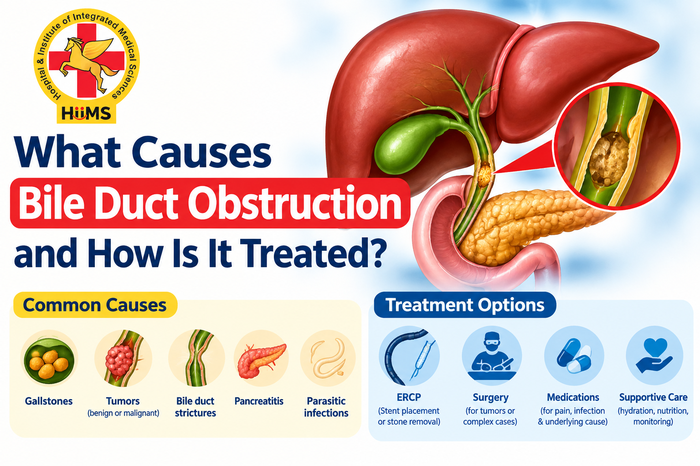
Bile duct obstruction is a condition in which the normal flow of bile from the liver and gallbladder toward the intestine becomes blocked or restricted. Bile plays an important role in digestion, particularly in the digestion and absorption of fats. When its flow is disturbed, bile can accumulate in the liver and may affect normal liver function.
Understanding the possible causes, warning signs, diagnosis, and appropriate management of bile duct obstruction can help people seek timely care. Ayurveda focuses on maintaining healthy digestion, supporting liver function, and addressing factors that may contribute to disturbed bile flow. Jeena Sikho HiiMS follows an Ayurveda-based approach that emphasizes individualized assessment, dietary discipline, lifestyle correction, and traditional Ayurvedic practices.
What Is Bile Duct Obstruction?
The Bile duct obstruction are small channels that transport bile from the liver and gallbladder into the small intestine. Bile contains substances that help the body digest fats and eliminate certain waste products.
Bile duct obstruction occurs when something blocks or narrows these channels. The blockage may occur within the ducts or at the point where bile enters the intestine. Depending on its cause and severity, the obstruction can be temporary or persistent.
If bile cannot flow normally, bilirubin may accumulate in the bloodstream, which can lead to yellowing of the skin and eyes and other digestive or liver-related changes.
What Causes Bile Duct Obstruction?
Several factors can interfere with the normal movement of bile. Identifying the underlying cause is an important part of appropriate management.
Gallstones
Gallstones are among the common reasons for blockage of a bile duct. A stone may move from the gallbladder into a bile duct and restrict the normal passage of bile.
Inflammation and Swelling
Inflammation around the bile ducts or nearby organs can cause narrowing and interfere with bile movement. Repeated digestive disturbances may also contribute to discomfort and changes in digestion.
Narrowing of the Bile Duct Obstruction
In some cases, scarring or structural changes can narrow a bile duct. This narrowing can make it difficult for bile to pass normally.
Growths or Masses
Abnormal growths involving the bile ducts, liver, gallbladder, pancreas, or nearby tissues may place pressure on the bile ducts and interfere with bile flow. Such conditions require careful medical evaluation.
Pancreatic Conditions
Because part of the bile duct obstruction passes close to the pancreas, swelling or structural changes in this region can sometimes affect the flow of bile.
Previous Procedures or Injury
Certain abdominal procedures, injuries, or inflammation may result in changes around the bile duct obstruction. These changes can occasionally contribute to narrowing or obstruction.
What Are the Symptoms of Bile Duct Obstruction?
Symptoms can vary depending on the location and severity of the blockage. Some people may initially experience mild digestive complaints, while others can develop more noticeable symptoms.
Common signs may include:
- Yellowing of the eyes or skin
- Dark-colored urine
- Pale or clay-colored stools
- Abdominal discomfort or pain
- Nausea or vomiting
- Loss of appetite
- Digestive discomfort after meals
- Itching
- Unexplained tiredness
- Fever or chills in some cases
The combination and intensity of symptoms can differ from person to person. Persistent or worsening symptoms should not be ignored.
How Is Bile Duct Obstruction Diagnosed?
Proper evaluation is important because similar symptoms can occur with several liver, gallbladder, and digestive conditions.
A healthcare professional may review the person’s medical history, symptoms, dietary habits, previous health problems, and physical findings. Depending on the situation, investigations may be recommended to understand the condition and identify the location or possible reason for obstruction.
Tests may include liver-related blood investigations and imaging-based evaluation. These assessments can help determine whether bile flow is restricted and whether further specialized care is necessary.
Understanding Bile Duct Obstruction Through Ayurveda
Ayurveda gives considerable importance to Agni, or digestive strength, and the balanced functioning of the body’s tissues and channels. The proper movement of bodily substances is considered important for maintaining overall health.
From an Ayurvedic perspective, disturbances in digestion, inappropriate dietary habits, irregular routines, and imbalance of Doshas may contribute to digestive and metabolic disturbances. Ayurvedic assessment therefore considers the individual as a whole rather than focusing only on one symptom.
However, a physical obstruction caused by a stone, structural narrowing, or another significant condition needs appropriate evaluation. Ayurveda-based care should be planned according to the underlying condition and the individual’s overall health.
Ayurvedic Approach to Bile Duct Obstruction
Ayurvedic management is generally individualized. Rather than following the same routine for everyone, practitioners may consider digestion, dietary habits, lifestyle, constitution, symptoms, and available diagnostic findings.
Dietary Discipline
Food choices can have an important role in digestive health. A simple, balanced diet may be emphasized according to individual requirements.
Depending on the person’s condition, an Ayurvedic practitioner may recommend:
- Freshly prepared and easily digestible meals
- Appropriate portions instead of overeating
- Adequate hydration
- Limiting excessively oily and heavily processed foods
- Reducing unnecessary packaged and highly refined foods
- Maintaining regular meal timings
Specific dietary recommendations should be personalized rather than followed blindly.
Supporting Healthy Digestion
Ayurveda places strong emphasis on maintaining balanced digestion. Eating mindfully, maintaining regular meal timings, getting sufficient rest, and avoiding frequent overeating can support digestive health.
The objective is to create a routine that is sustainable rather than relying on short-term dietary restrictions.
Ayurvedic Herbs and Formulations
Certain Ayurvedic herbs and traditional formulations are traditionally used to support digestion and liver function. However, the appropriate herb, formulation, dosage, and duration depend on the individual’s condition.
Self-prescribing herbs is not advisable, particularly when bile duct obstruction is suspected, because some cases require prompt evaluation and specialized management.
Panchakarma-Based Care
In suitable individuals, traditional Ayurvedic procedures may be considered as part of an individualized wellness or treatment plan. Panchakarma procedures are selected according to the person’s constitution, strength, symptoms, and clinical assessment.
Such procedures should only be undertaken under the supervision of a qualified Ayurvedic practitioner after appropriate evaluation.
Can Lifestyle Changes Support Bile and Digestive Health?
A healthy daily routine can contribute to better digestive and metabolic health. Helpful habits may include maintaining regular sleep, eating balanced meals, staying physically active according to one’s capacity, managing stress, and avoiding unnecessary dietary excesses.
Lifestyle changes should complement professional evaluation rather than replace it when an obstruction is suspected.
When Should You Seek Immediate Medical Attention?
Bile duct obstruction can sometimes become serious, particularly when obstruction is associated with infection or significant impairment of bile flow.
Seek prompt medical attention if there is:
- Severe or persistent abdominal pain
- Yellowing of the eyes or skin
- Fever with abdominal pain
- Chills or marked weakness
- Repeated vomiting
- Confusion or unusual drowsiness
- Rapid worsening of symptoms
These signs should not be managed solely with home remedies or self-selected herbal products.
Ayurvedic Care at Jeena Sikho HiiMS
Jeena Sikho HiiMS focuses on an Ayurveda-based approach that considers digestion, lifestyle, dietary habits, and individual health requirements. The approach may include personalized dietary guidance, lifestyle recommendations, Ayurvedic medicines where appropriate, and traditional Ayurvedic procedures when considered suitable after assessment.
For someone experiencing symptoms associated with bile duct obstruction, proper evaluation is important before beginning any treatment plan. The underlying reason for the obstruction should be understood so that care can be appropriately individualized.

Conclusion
Bile duct obstruction occurs when the normal movement of bile from the liver and gallbladder to the intestine is restricted. Gallstones, inflammation, narrowing, structural changes, growths, and conditions affecting nearby organs can contribute to obstruction.
Symptoms such as jaundice, dark urine, pale stools, abdominal discomfort, itching, nausea, and fever may indicate a problem with bile flow. Because some causes can require urgent attention, persistent or severe symptoms should be professionally evaluated.
Ayurveda emphasizes digestive balance, appropriate diet, lifestyle correction, and individualized care. Jeena Sikho HiiMS provides an Ayurveda-based approach that can be tailored according to an individual’s health condition and assessment. Early evaluation and responsible care are important for protecting digestive and liver health.