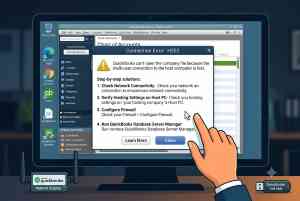
Managing business finances efficiently requires reliable accounting software and a clear understanding of how to use it. For many small and growing companies, QuickBooks Desktop remains a practical solution for organizing financial records, tracking expenses, managing invoices, monitoring payments, and preparing reports. However, like any desktop application, QuickBooks Desktop can sometimes present setup, login, update, networking, or company-file challenges.
For businesses in San Diego, having access to useful troubleshooting information and dependable resources can make everyday accounting tasks easier. Whether a company is setting up QuickBooks Desktop for the first time, working with multiple users, or trying to resolve an unexpected error, understanding the basics can help reduce unnecessary interruptions.
Businesses looking for additional guidance can explore get San Diego QuickBooks Desktop expert support for helpful information related to QuickBooks Desktop assistance.
Understanding the Role of QuickBooks Desktop in Business
QuickBooks Desktop provides businesses with tools for managing several important accounting activities from one application. Depending on the edition and configuration, users may work with income and expenses, customer information, vendor records, invoices, payments, payroll-related information, and financial reports.
For San Diego businesses, accounting requirements can vary considerably. A small professional service company may primarily need invoicing and expense tracking, while a larger business may require multiple users, detailed reporting, inventory management, or integration with other business systems.
Because every organization uses QuickBooks Desktop differently, it is important to establish a suitable setup from the beginning. Correct installation, company-file organization, user permissions, and backup procedures can all contribute to a smoother experience.
Preparing QuickBooks Desktop for Everyday Use
Before entering large amounts of financial information, businesses should take time to organize their QuickBooks Desktop environment. A proper initial setup can prevent many avoidable problems later.
Users should begin by installing the appropriate QuickBooks Desktop version and ensuring that their computer meets the relevant system requirements. After installation, the company file should be created or opened carefully, and business information should be entered accurately.
It is also useful to review preferences and user permissions. If several employees will access the same company file, each person should have appropriate access based on their responsibilities.
Another important step is creating a reliable backup routine. Financial data is valuable, and losing a company file can cause significant disruption. Regular backups provide an additional layer of protection if a computer experiences a hardware problem, software issue, or unexpected data error.
Common QuickBooks Desktop Problems
Even when QuickBooks Desktop has been configured correctly, users may occasionally encounter technical problems. Common issues include difficulty opening the application, login problems, installation errors, update failures, company-file errors, printing issues, and network connectivity problems.
Some issues are temporary and may be resolved by restarting the application or computer. Other problems require more detailed troubleshooting.
When an issue occurs, users should first identify what changed immediately before the problem appeared. For example, an error that starts after a software update may require a different troubleshooting approach than a problem caused by a damaged company file.
Keeping error messages and codes available can also make troubleshooting more efficient. Instead of repeatedly trying unrelated solutions, users can research the specific problem and follow steps appropriate to that situation.
Troubleshooting Login and Access Problems
Login and access issues can prevent employees from reaching important accounting information. A user may experience difficulty signing in, accessing a company file, or switching between user accounts.
The first step should be checking basic account information and confirming that the correct credentials are being used. Users should also verify that their QuickBooks Desktop installation is functioning properly.
If several users are affected, the problem may involve a shared company file, permissions, or network configuration rather than an individual account.
Businesses should avoid making unnecessary changes to important files or settings without understanding their purpose. When troubleshooting becomes complicated, consulting appropriate documentation or professional technical resources can help users proceed more carefully.
Managing Multi-User QuickBooks Desktop Environments
Multi-user access can be useful for businesses where several employees need to work with accounting information. However, multi-user environments require appropriate configuration.
The computers involved should be connected correctly, and the company file should be stored in a suitable shared location. QuickBooks-related network settings and permissions should also be reviewed when users cannot connect to the company file.
A common mistake is assuming that a multi-user problem is always caused by QuickBooks itself. Network configuration, firewall settings, Windows permissions, shared-folder access, or connectivity problems can also affect communication between computers.
Businesses should document their setup so that administrators know where the company file is stored and which computers or users have access. Clear documentation can make future troubleshooting easier.
Keeping QuickBooks Desktop Updated
Software updates can provide improvements, bug fixes, compatibility changes, and other enhancements. For that reason, businesses should pay attention to available QuickBooks Desktop updates.
Before applying major changes, however, it is sensible to maintain a current backup of important company files. This gives the business an additional recovery option if an unexpected problem occurs.
After an update, users should verify that essential functions still work correctly. They can check whether the company file opens normally, reports are accessible, printing works, and other important workflows continue without interruption.
Businesses that depend heavily on QuickBooks Desktop should also maintain a record of their installed version and important configuration details.
Protecting QuickBooks Company Files
Financial records should be handled carefully. A company file can contain sensitive business information, so businesses should establish appropriate security practices.
Regular backups are one of the most important protective measures. A backup should be stored in a location that is separate from the primary working environment whenever practical.
Users should also control access to company files. Employees who do not need administrative privileges should not necessarily receive them. Strong account practices and appropriate Windows security settings can further reduce unnecessary exposure.
Businesses should periodically review who has access to accounting information, especially when employees change roles or leave the organization.
Improving Accounting Workflow Efficiency
Technical support is only one part of managing QuickBooks Desktop effectively. Businesses can also improve their workflow by establishing consistent accounting procedures.
For example, invoices can be created using standardized information, expenses can be categorized consistently, and financial reports can be reviewed on a regular schedule. Employees should understand which transactions they are responsible for entering and which tasks require administrative approval.
Consistent procedures reduce confusion and make it easier to identify unusual transactions or missing information.
San Diego businesses with growing teams may also benefit from documenting common QuickBooks Desktop tasks. A simple internal guide can explain how employees should create invoices, record payments, enter expenses, and handle common application issues.
Handling Company File Errors Carefully
Company-file problems require particular attention because financial information may be affected. If QuickBooks Desktop displays a warning or error related to a company file, users should avoid experimenting with multiple unrelated changes.
First, make sure a current backup is available if possible. Then document the error message and determine whether the problem occurs with one company file or multiple files.
If only one company file is affected, the issue may be specific to that file. If several files experience similar problems, the underlying cause could instead involve the QuickBooks installation, operating system, network, or another shared component.
A careful troubleshooting process helps users avoid making the situation more complicated.
QuickBooks Desktop and Business Growth
As a business grows, its accounting requirements can change. A company may add employees, create additional customer accounts, increase transaction volume, or require more detailed financial reports.
QuickBooks Desktop can remain part of an accounting workflow, but businesses should periodically review whether their current configuration still meets their needs.
Growing organizations should pay attention to user access, backup procedures, reporting requirements, and system performance. Planning ahead can help prevent technical issues from becoming major workflow interruptions.
It can also be useful to maintain a list of important accounting contacts, software information, backup locations, and troubleshooting resources. Having this information available can save time when an unexpected problem occurs.
Creating a Practical QuickBooks Troubleshooting Routine
A structured troubleshooting routine can make technical problems easier to manage. When an issue occurs, users can begin with simple checks before moving to more advanced steps.
First, identify the exact problem and note any displayed error message. Next, determine whether the issue affects one user, one computer, or multiple users.
Then check basic factors such as internet or network connectivity, application status, available system resources, and recent software changes.
If the issue appeared after an update or configuration change, reviewing that change may provide useful clues. Users should also check whether a current backup exists before making significant modifications.
Keeping notes about successful troubleshooting steps can help businesses respond faster if the same problem appears again.
When Professional Assistance May Be Useful
Some QuickBooks Desktop problems can be resolved through standard troubleshooting. Others may involve multiple systems and require more specialized attention.
Professional assistance can be useful when a business is unable to open an important company file, experiences persistent multi-user problems, encounters repeated installation errors, or needs help configuring a complex environment.
Businesses should provide as much relevant information as possible when requesting assistance. Details such as the QuickBooks Desktop version, operating system, number of affected users, exact error message, and recent changes can help clarify the situation.
Providing accurate information from the beginning can reduce unnecessary troubleshooting steps.
Maintaining a Reliable QuickBooks Desktop Environment
A reliable accounting environment depends on more than simply installing software. Businesses should combine proper configuration, regular maintenance, data protection, user management, and practical troubleshooting procedures.
San Diego businesses can benefit from establishing clear internal processes for accounting software. Employees should know who is responsible for backups, updates, user access, and technical troubleshooting.
Regularly reviewing these processes can also help identify areas where improvements are needed. For example, a company may discover that backups are not being tested regularly or that too many employees have unnecessary administrative access.
Small improvements can make everyday accounting operations more organized.
Final Thoughts
QuickBooks Desktop can support many business accounting activities, but maintaining a smooth experience requires ongoing attention. Proper installation, secure company-file management, regular backups, appropriate user permissions, and structured troubleshooting can help businesses handle common challenges more effectively.
For San Diego businesses, having reliable resources available can make it easier to respond when technical issues interrupt normal accounting work. Users can begin with basic troubleshooting, document problems carefully, and seek appropriate assistance when an issue requires additional expertise.
By taking a proactive approach to QuickBooks Desktop maintenance, businesses can create more organized accounting workflows and reduce unnecessary interruptions. Whether the need involves setup, login access, company files, networking, updates, or general troubleshooting, practical resources can help users understand their options and take informed next steps.