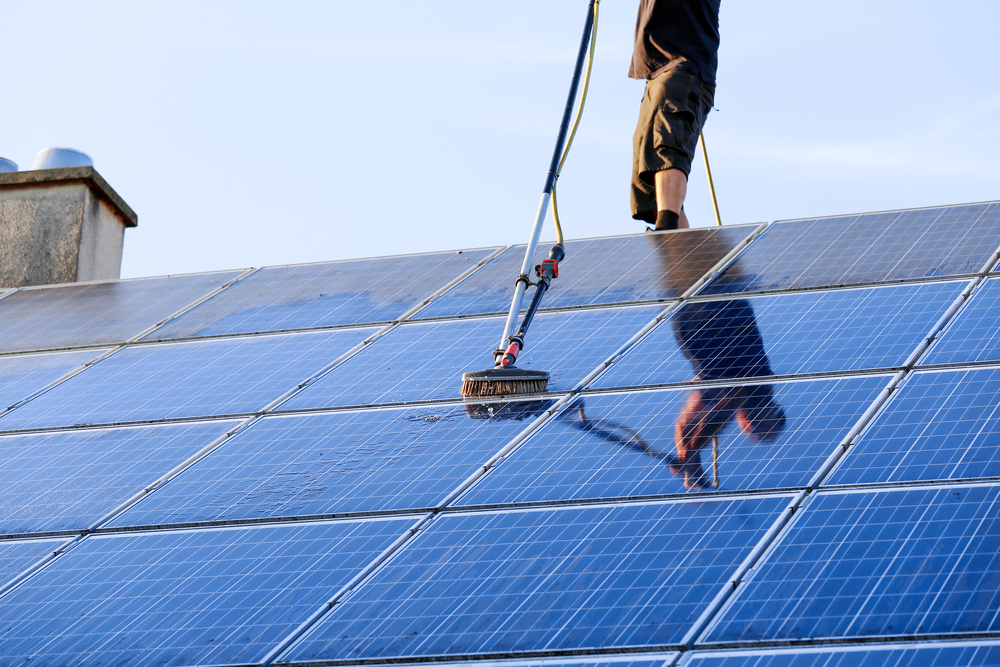
Solar panels spend every day outdoors, where dust, pollen, bird droppings, leaves, and other debris can collect on their surfaces. Over time, this buildup may reduce the amount of sunlight reaching the photovoltaic cells and affect system performance. Regular Solar panel cleaning services can help homeowners keep panels clearer, support consistent energy production, and spot potential issues before they become expensive problems.
Why Regular Solar Panel Cleaning Matters
Solar panels need direct sunlight to generate electricity efficiently. Although rain can remove some loose dirt, it does not always clear stubborn deposits, especially in areas with dry weather, heavy pollen, pollution, or frequent bird activity.
A layer of dirt may seem harmless, but repeated buildup can limit sunlight exposure. Regular cleaning helps maintain a clearer panel surface so the system can continue operating under normal conditions.
Common Contaminants Found on Solar Panels
Several types of debris can accumulate on panels, including:
- Dust and fine soil particles
- Pollen and plant debris
- Bird droppings
- Leaves and small twigs
- Airborne pollution
- Water spots and mineral deposits
- Salt residue in coastal locations
The amount and type of buildup depend on the property’s surroundings and local weather conditions.
Improves Solar Energy Production
One of the main reasons homeowners schedule regular cleaning is to keep their panels working efficiently. When dirt blocks part of the panel surface, less sunlight may reach the photovoltaic cells.
The actual effect varies depending on factors such as climate, panel angle, type of debris, and rainfall. However, keeping panels reasonably clean can help prevent avoidable reductions in energy production.
Why Sunlight Access Matters
Photovoltaic panels convert sunlight into electrical energy. When their surface becomes heavily soiled, the amount of usable sunlight reaching the cells can decrease.
For example, a home located near a dusty road may experience more frequent buildup than a home in a cleaner environment. In that situation, a consistent cleaning routine can help maintain better access to sunlight.
Helps Maintain Consistent System Performance
Solar energy systems are designed to produce electricity throughout the day, but their output naturally changes with weather and sunlight conditions. Dirt adds another variable that homeowners can often manage.
Regular solar panel cleaning helps remove accumulated debris before it becomes a persistent source of reduced sunlight exposure. As a result, homeowners can maintain a cleaner system and reduce one preventable factor that may affect performance.
A simple maintenance schedule can also make it easier to notice unusual changes in energy production.
Extends the Life of Solar Equipment
Solar panels are built for outdoor use and can withstand a wide range of weather conditions. Still, proper maintenance remains important for protecting the overall investment.
Dirt itself may not automatically cause serious damage, but certain contaminants can become difficult to remove when left untreated. Bird droppings, mineral deposits, and other residues may require more effort when they remain on the surface for long periods.
Cleaning Supports Preventive Maintenance
Regular maintenance is easier when cleaning is treated as part of an overall solar care routine. During cleaning, homeowners or professionals may notice visible problems such as:
- Cracked or damaged panels
- Loose components
- Discoloration
- Heavy residue
- Obstructions from nearby vegetation
- Signs of physical wear
Cleaning does not replace professional electrical or system inspections, but it can help identify visible concerns earlier.
Reduces Unnecessary Maintenance Costs
Preventive care can often be easier and less expensive than dealing with neglected equipment. Regular cleaning helps homeowners keep track of the condition of their panels instead of allowing dirt and debris to accumulate for long periods.
It can also reduce the need for intensive cleaning when buildup becomes difficult to remove. Depending on the property’s environment, a planned cleaning routine may therefore make maintenance more manageable.
| Cleaning Factor | Potential Benefit |
|---|---|
| Dust removal | Helps improve sunlight exposure |
| Pollen removal | Keeps panel surfaces clearer |
| Bird dropping removal | Reduces stubborn surface buildup |
| Leaf removal | Prevents debris from covering panels |
| Mineral residue removal | Helps maintain a cleaner surface |
| Routine inspection | Makes visible problems easier to notice |
Protects Your Solar Investment
Installing a solar energy system requires a significant financial commitment. Homeowners naturally want that investment to provide useful energy for many years.
Routine solar panel cleaning is one part of responsible system care. Keeping panels clean can help homeowners maintain their equipment, monitor its condition, and support reliable energy generation.
However, cleaning should always be performed with appropriate equipment and methods. Using unsuitable tools or harsh cleaning products may damage panel surfaces or other components.
Helps Identify Potential Problems Earlier
Cleaning provides an opportunity to look closely at the condition of the panels. A professional may notice issues that are difficult to see when the surface is covered with dirt.
For instance, cracks, unusual staining, damaged frames, or visible wiring concerns may become easier to spot after the panels are cleaned.
Signs That Deserve Attention
Homeowners should pay attention to changes such as:
- A noticeable decline in electricity production
- Panels that remain heavily soiled
- Visible cracks or chips
- Persistent stains
- Damaged mounting components
- Unusual system alerts
- Debris repeatedly collecting in the same area
If a problem appears electrical or structural, cleaning should not be treated as a repair. Instead, a qualified solar professional should inspect the system.
Supports Better Long-Term Solar Maintenance
A maintenance routine becomes easier when homeowners understand what affects their panels. Cleaning frequency should not necessarily be identical for every property.
Homes surrounded by trees, agricultural areas, construction activity, or dusty roads may require more frequent attention. Likewise, properties with frequent bird activity may experience faster buildup.
Factors That Affect Cleaning Frequency
Consider these factors when creating a maintenance schedule:
- Local climate: Dry and dusty conditions can increase surface buildup.
- Rainfall: Frequent rain may naturally remove some loose dirt.
- Surroundings: Trees, roads, farms, and construction sites can add debris.
- Panel angle: Certain angles may allow more residue to remain.
- Bird activity: Droppings can create stubborn deposits.
- Energy output: Unexpected changes may indicate that maintenance is needed.
Instead of following a rigid calendar, homeowners can consider these conditions alongside the manufacturer’s maintenance recommendations.
Why Professional Cleaning Can Be Useful
Solar panels are often installed on roofs or elevated structures, making them difficult and potentially unsafe for homeowners to access. Professional cleaners have equipment and experience designed for working around solar installations.
Professional solar panel cleaning can also help reduce the risk of accidental damage caused by inappropriate brushes, pressure, chemicals, or cleaning techniques.
When to Consider Professional Help
Professional assistance may be appropriate when:
- Panels are installed on a steep or difficult-to-access roof.
- Heavy dirt or bird droppings have accumulated.
- Mineral deposits are difficult to remove.
- The homeowner cannot safely reach the panels.
- The system has not been maintained for an extended period.
- There are visible signs of damage that need inspection.
Safety should always come first. Homeowners should follow manufacturer guidance and avoid climbing onto roofs when they do not have the proper equipment or training.
Practical Tips for Keeping Panels Cleaner
Homeowners can take several simple steps to reduce unnecessary buildup between professional cleanings.
First, keep nearby trees properly maintained when branches or leaves frequently fall onto the panels. Second, monitor the system’s energy production so unusual changes can be identified quickly.
It is also important to follow the panel manufacturer’s cleaning recommendations. Some manufacturers specify suitable cleaning methods, tools, or water conditions.
Avoid abrasive materials and aggressive cleaning methods unless they are specifically approved for the equipment.
How to Decide When Cleaning Is Needed
There is no single cleaning schedule that works for every solar installation. A home in a dry, dusty environment may need attention more often than one that receives regular rainfall.
Homeowners can combine visual checks, local environmental conditions, and system performance data when deciding whether cleaning is necessary.
If panels appear heavily soiled or energy production has changed unexpectedly, professional assessment can help determine whether cleaning is the appropriate solution.
Conclusion
Regular panel cleaning is a practical part of maintaining a solar energy system. By removing dust, pollen, bird droppings, and other debris, homeowners can help maintain clear panel surfaces and support consistent sunlight exposure. Cleaning can also make visible problems easier to identify and contribute to a broader preventive maintenance routine. The right schedule depends on local weather, surrounding conditions, panel placement, and manufacturer recommendations. For difficult-to-access systems or heavy buildup, professional cleaning can provide a safer approach. With sensible maintenance and regular monitoring, homeowners can take better care of their solar investment and keep their system operating under favorable conditions.
FAQs
How often should solar panels be cleaned?
Most solar panels benefit from periodic cleaning, but the ideal schedule depends on local weather and surrounding conditions. Homes in dusty areas or near trees, construction sites, or busy roads may need cleaning more frequently.
Can rain clean solar panels effectively?
Rain can wash away some loose dust and debris, but it may not remove bird droppings, pollen, mineral deposits, or stubborn dirt. Occasional professional cleaning can help remove buildup that natural rainfall leaves behind.
Does cleaning solar panels improve energy production?
Yes, cleaning can help improve sunlight exposure when dirt and debris are blocking the panel surface. The actual improvement depends on how dirty the panels were and the environmental conditions around the property.
Is it safe to clean solar panels myself?
Cleaning ground-level panels may be manageable with proper instructions, but rooftop panels can create significant safety risks. If panels are difficult to access, professional cleaning is generally a safer option.
What is the best way to keep solar panels clean?
Regular visual checks, trimming nearby vegetation, and removing accumulated debris can help maintain cleaner panels. Always follow the manufacturer’s cleaning recommendations and use appropriate methods to avoid damaging the equipment.