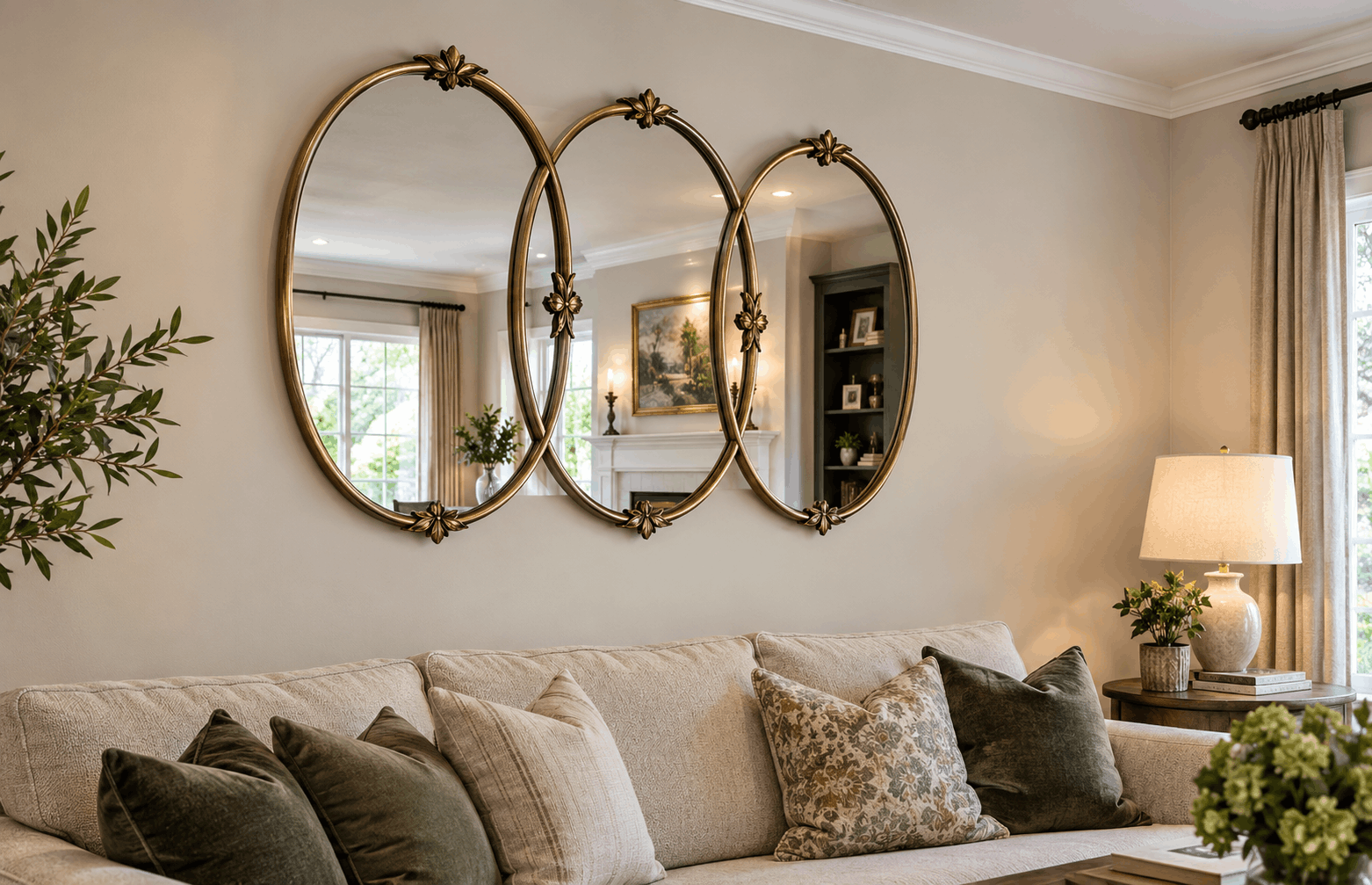
A large mirror can change how a room feels. It bounces light around, makes tight spaces look bigger, and adds a finished look to any wall. But hanging one is rarely as simple as it seems, which is why mirror mounting in Atlanta, GA has grown into a service many homeowners now look for.
The problem usually shows up after the mirror is already on the wall. A frame sits crooked. An anchor pulls loose from drywall. A heavy piece slips because it was never fastened to a stud. These small mistakes can lead to cracked glass, damaged walls, or worse.
This article looks at why proper mounting matters, what makes it tricky, and how careful installation protects both your walls and your investment.
What Makes Mirror Mounting Trickier Than It Looks
Mirrors are heavier than most wall art. A full-length or oversized mirror can weigh far more than a framed print, and that weight needs real support. Drywall alone often can’t hold it.
The type of wall matters too. Older homes across Atlanta often have plaster walls, while newer builds lean on standard drywall. Each surface calls for different anchors and techniques. Guessing here is where things tend to go wrong.
Weight, Balance, and the Right Anchors
Getting a mirror level is only part of the job. Distributing weight evenly keeps stress off any single point. Installers usually locate studs first, then choose hardware rated for the mirror’s size and material.
Bathroom and entryway mirrors add another layer. Moisture, tile, and uneven surfaces all affect how a mirror should be secured. A method that works in a dry living room may fail near a shower.
The Benefits of a Careful Installation
The clearest benefit is safety. A properly mounted mirror stays put, even in busy hallways or homes with kids and pets. That peace of mind is hard to put a price on.
There’s also the look. When a mirror hangs straight and flush against the wall, the whole room reads as intentional and clean. Small gaps or tilts draw the eye for the wrong reasons.
Then there’s wall protection. Correct mounting means fewer holes, no repeated patching, and no surprise repairs later. Doing it right the first time often saves money down the line.
Real-World Scenarios Around Atlanta
Picture someone moving into a Midtown apartment with a heavy vintage mirror. The walls are thin, and the frame is worth protecting. A rushed install could crack the glass or leave gouges the landlord won’t love.
Or think of a family in a Buckhead home updating their entryway. They want a large statement mirror by the door, plus fresh window treatments to match. That’s where mirror work and curtain & drape installation in Atlanta often come up in the same conversation.
Because both jobs deal with wall anchoring, precise measuring, and clean lines, homeowners frequently tackle them together. Companies such as Cross Work Picture Hangers handle these related tasks, which is one reason people bundle the projects.
Pairing Mirrors With Window Treatments
Mirrors and drapes shape a room in similar ways. Both frame a space and control how light moves through it. Placing a mirror across from a window can double natural light, especially when paired with well-hung curtains.
This is why curtain & drape installation in Atlanta pairs so naturally with mirror work. The same attention to leveling and secure anchoring applies to both, and coordinating them keeps a room feeling balanced.
Beyond Mirrors: Rounding Out a Room
Wall treatments rarely stop at mirrors. Many people tackling one project also look into curtain & drape installation in Atlanta, since window dressings shape a room’s mood just as much as reflective surfaces do.
Hanging drapes well follows similar rules. Rods need firm anchoring, brackets need to sit level, and the height often works best mounted closer to the ceiling to stretch the look of the window. Coordinating both tasks at once tends to give a room a finished, cohesive feel.
Local specialists such as Cross Work Picture Hangers are among the names that come up when residents discuss these kinds of wall projects around Atlanta, GA. Word of mouth still drives a lot of these decisions.
A Quick Recap
Good mirror mounting comes down to a few things: knowing the wall type, using the right hardware, and balancing weight so nothing shifts over time. Skipping any of these steps invites trouble.
If you’re planning a mirror install, take a moment to check your wall type and the mirror’s weight before you begin. That simple step can save you from cracked glass and patched-up walls later.
Frequently Asked Questions
How much does mirror mounting usually cost in Atlanta?
Costs vary based on mirror size, weight, and wall type. Larger or heavier mirrors that need extra anchoring generally cost more than small, lightweight pieces.
Can a heavy mirror be hung on drywall alone?
It’s not recommended. Heavy mirrors should be anchored into studs or with hardware rated for the weight, since drywall alone can loosen and fail over time.
How high should a wall mirror be mounted?
A common guideline places the center of the mirror around 57 to 65 inches from the floor. The right height also depends on the room and the mirror’s purpose.
Do mirrors and curtains need the same type of wall anchors?
Not always. Both require secure anchoring, but the hardware depends on weight and wall material. Curtain rods and mirrors each have their own support needs.
Is professional installation worth it for a large mirror?
For heavy or oversized mirrors, professional installation lowers the risk of cracked glass and wall damage. It also ensures the piece stays level and secure.
Can mirrors be mounted on tile or brick walls?
Yes, but they require specialized anchors and a drill suited to the material. Tile and masonry crack easily, so the right hardware and technique are essential.
Is professional mounting worth it for large mirrors?
For heavy or oversized mirrors, many people prefer professional help. It reduces the risk of wall damage, injury, or a mirror that isn’t level.
Should curtains and mirrors be installed at the same time?
Handling both together can save effort and create a more coordinated look. The anchoring skills overlap, so tackling them in one round is often practical.