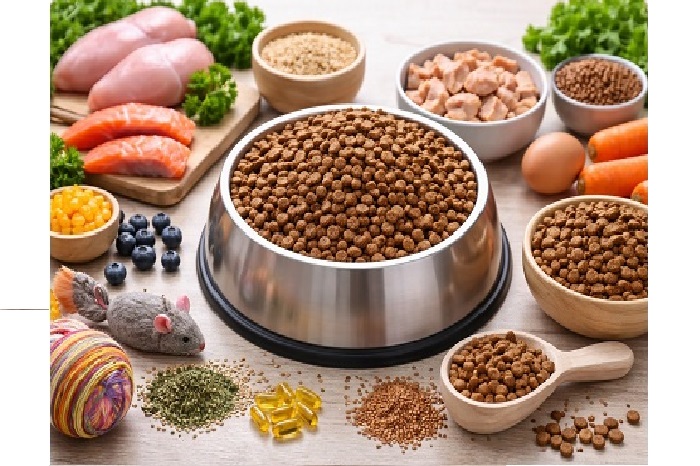
When selecting a best affordable dry cat food, the key is to focus on nutritional value rather than just price. Start by checking the ingredient list—high-quality options will always list a real protein source like chicken, salmon, or turkey as the first ingredient. Cats are obligate carnivores, which means they rely heavily on animal protein for energy, muscle maintenance, and overall health. Avoid products filled with unnecessary fillers such as corn, wheat, or artificial additives, as these can offer little nutritional benefit.
It’s also important to look for essential nutrients like taurine, omega fatty acids, vitamins, and minerals. These support heart health, a shiny coat, and proper digestion. Don’t forget to consider your cat’s age, activity level, and any specific health needs, as these factors influence the type of food that’s best suited for them.
Another smart tip is to compare cost per serving rather than just the bag price. Sometimes slightly higher-priced options last longer and provide better nutrition, making them more cost-effective in the long run. By reading labels carefully and understanding your cat’s needs, you can confidently choose a dry food that delivers both quality and value.
Why Nutrition Matters More Than Price
Before focusing on affordability, it’s important to understand that your cat’s diet directly impacts:
- Energy levels
- Coat shine and skin health
- Digestion and gut health
- Immune system strength
- Lifespan and overall well-being
Cats are obligate carnivores, meaning they require a diet rich in animal protein. Even budget-friendly options should meet this essential requirement.
Choosing the wrong food—even if it’s cheap—can lead to long-term health issues that cost more in vet bills.
What Defines the Best Affordable Dry Cat Food?
The term “best affordable dry cat food” doesn’t just mean the lowest price—it means value for money. That includes:
- High-quality ingredients
- Balanced nutrition
- Digestibility
- Safety and manufacturing standards
A truly good option offers complete and balanced nutrition at a reasonable cost per serving.
Key Ingredients to Look For
Understanding ingredients is the most important step when selecting cat food.
1. Real Animal Protein First
Look for ingredients like:
- Chicken
- Turkey
- Salmon
- Lamb
The first ingredient should always be a named meat source—not “meat by-products” or fillers.
2. Healthy Fats
Fats provide energy and support skin and coat health. Look for:
- Chicken fat
- Fish oil
- Omega-3 and Omega-6 fatty acids
3. Essential Nutrients
Make sure the food includes:
- Taurine (critical for heart and eye health)
- Vitamins and minerals
- Amino acids
4. Limited Fillers
Avoid foods that rely heavily on:
- Corn
- Wheat
- Soy
These can reduce nutritional value and cause digestive issues in some cats.
Ingredients to Avoid (Even in Budget Food)
Even when shopping for affordable options, avoid these harmful or low-value ingredients:
- Artificial colors and preservatives
- Excessive by-products
- Sugar or sweeteners
- Unknown meat sources
A low price should never come at the cost of your cat’s health.
How to Compare Cat Food Brands Smartly
When browsing different cat food brands, don’t just compare price tags. Instead, look at:
Cost Per Serving (Not Per Bag)
A cheaper bag might actually cost more if:
- Feeding portions are larger
- Nutritional density is lower
Always calculate cost per day, not just upfront price.
Nutritional Value
Compare:
- Protein percentage (aim for 30% or higher)
- Fat content
- Added nutrients
Brand Transparency
Reliable brands clearly list:
- Ingredient sources
- Manufacturing processes
- Nutritional guarantees
This helps build trust and ensures safety.
Dry Cat Food vs Wet Food: Why Dry Still Works
Dry food often gets a bad reputation, but it has several benefits:
Advantages of Dry Cat Food
- More affordable
- Longer shelf life
- Convenient storage
- Helps support dental health
When It Works Best
Dry food is ideal when:
- Your cat drinks enough water
- You want a cost-effective feeding option
- You need easy portion control
For best results, you can combine dry food with occasional wet meals for hydration.
Tips to Save Money Without Compromising Quality
Here’s how to get the most value:
Buy in Bulk
Larger bags often reduce cost per serving. Just ensure proper storage to maintain freshness.
Look for Deals and Subscriptions
Online pet stores often offer:
- Discounts
- Auto-ship savings
- Bundle offers
Rotate Smartly
Instead of switching randomly, rotate between 2–3 trusted foods to balance cost and nutrition.
Signs Your Cat Is Eating the Right Food
Once you choose a product, monitor your cat for these positive signs:
- Shiny, soft coat
- Healthy weight
- Good energy levels
- Regular digestion
- Bright eyes
If you notice issues like vomiting, dull coat, or low energy, it may be time to reconsider your choice.
Common Mistakes Cat Owners Make
Avoid these pitfalls when choosing affordable cat food:
Choosing Based on Price Alone
Cheap food can lead to poor health outcomes.
Ignoring Ingredient Labels
Marketing claims can be misleading—always read the actual ingredients.
Overfeeding Low-Quality Food
Lower-quality food often requires larger portions, increasing cost over time.
Frequent Food Switching
Sudden changes can upset your cat’s digestive system.
How to Transition to a New Affordable Dry Cat Food
When switching to a new food, do it gradually over 7–10 days:
- Day 1–3: 75% old food + 25% new
- Day 4–6: 50% old + 50% new
- Day 7–10: 25% old + 75% new
This prevents digestive upset and helps your cat adjust smoothly.
Final Thoughts
Choosing the best affordable dry cat food is all about balance—not compromise. By focusing on ingredient quality, nutritional value, and smart shopping strategies, you can provide your cat with a healthy diet without overspending.
Remember, your cat relies on you to make the best decisions for their well-being. A little research goes a long way in ensuring they live a happy, healthy life.
FAQs
1. What is the best affordable dry cat food for indoor cats?
Look for high-protein formulas with moderate calories and added fiber. Indoor cats need balanced nutrition to maintain weight and digestive health.
2. Are cheaper cat food brands safe for long-term feeding?
Yes, as long as they meet nutritional standards and contain quality ingredients. Always check labels and avoid harmful additives.
3. How can I tell if my cat food is nutritious enough?
Check for real meat as the first ingredient, adequate protein levels, and essential nutrients like taurine.
4. Is dry cat food enough for hydration?
Dry food alone isn’t enough—ensure your cat has constant access to fresh water. You can also add occasional wet food for hydration support.
5. How often should I change my cat’s food?
Only change when necessary (health issues, age changes, or vet advice). Frequent switching can upset digestion.
Read more this article: The Business Value of Digital Pet Tools: Why a dog breed selectorand pet weight tracker Matter