

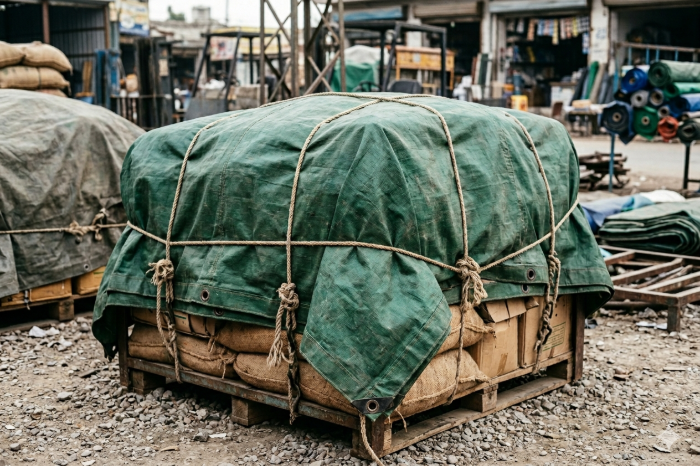
Weather conditions can frequently interfere with development when working outside or in open areas. Completing chores effectively might be hampered by rain, wind, sunshine, and dust. This is the point at which temporary covered work spaces with Heavy Duty Tarpaulin becomes relevant. These covers shield work from interruption and let it go forward. Many other businesses including agriculture, events, and construction employ them extensively.
What Are Heavy Duty Tarpaulins?
Large sheets of sturdy materials such polyethylene, canvas, or PVC are heavy duty tarpaulins, sometimes referred to as tarps. These are meant to handle strong sunlight, UV rays, and a lot of wear and tear as well as bad weather. Based on their intended application, these tarps vary in hue, size, and thickness .Heavy-duty tarpaulins have grommets, which are metal rings, along the edges, unlike regular plastic sheets.
Advantages of Uses Provisional Covered Work Spaces
Making a short-term sheltered workspace with tough tarpaulins has a number of benefits:
Weather Protection
A tarp cover’s main use is to protect people, tools, and materials from rain, snow, wind, and too much sunlight. This cover guarantees that, even in bad weather, work can go on.
Economical Remedy
Constructing long-lasting shelters can be costly and labor-intensive. A cost-effective substitute that may be rapidly installed and taken down when no longer required is heavy duty tarps.
Flexibility
Construction, agriculture, warehousing, and event management are some of the sectors where these covers could find use. Their adaptability in form and size makes them ideal for many uses.
Simple to Install and Remove
Tarpaulin can be rapidly attached with zip ties, ropes, or bungee cords. Additionally, they can be dismantled and stored away when not in use to save room and minimize clutter.
Reusability and Durability
Good tarps resist mildew, UV rays, and rip .They are a good option for short-term housing since they may endure years with decent care.
Typical Applications of Temporary Tarpaulin Covers
Heavy duty tarps find use in a wide range of sectors. Here are some of their most frequent uses:
Construction Site
Temporary shelters are frequently needed on construction sites to safeguard materials and workers. Tarps may shield equipment, incomplete construction, and scaffolding from dust or rain damage.
Farm Security
Farmers protect hay, livestock, and crops from harsh conditions by using tarps. They are also a place where newly picked fruits and vegetables can be stored for a short time before they are moved somewhere else.
Events Outside
Tarps shield stalls, seating spaces, and platforms from shade and rain during celebrations, markets, or athletic competitions.
Vehicle and Gear Covers
Heavy duty tarps can help to keep boats, trucks, and machinery safe from the sun and rain when they are kept outside.
Shelters for Emergencies
Tarps can be rapidly used in disaster relief scenarios to provide temporary housing for homeless people.
Selecting the Appropriate Heavy Duty Tarpaulin
Not every tarp is equal. Think about the following points when choosing a tarp for your short-term workplace to guarantee optimum efficiency:
Material Strength
While PVC-coated tarps are stronger and more chemically resistant, polyethylene (PE) tarps are light and waterproof. Breathable and suitable for long-term usage are canvas tarps.
Thickness Weight
Thicker tarps, which are measured in miles or grams per square meter, are more durable. For rigorous uses, pick tarps with at least 1218 mil thickness.
Shape and Size
Calculate the surface you have to cover and choose a tarp with full coverage and some extra fabric for tying around the corners.
UV Resistance
Make sure the tarp has UV protection to keep it from fading and weakening if it will be in the sun for long periods. Read More Blogs
Enhanced Grommets and Edges
Reinforcing hems and strong grommets keep the tarp from ripping and enable a firm tie down.
How to Make a Tarpaulin That Can Be Used For a While
Installing a heavy duty tarp right guarantees stability and lifetime. For a safe setup, follow these guidelines:
Choose a Suitable Frame
Support the tarp with poles, metal frames, or even what’s already there. Check the frame’s ability to resist rain and wind.
Secure the Tarpaulin Properly
Fasten the tarp to the grommets with zip ties, bungee cords, or ropes. To avoid wear and tear, be careful the cover is tight to stop flapping.
Create a Slope for Water Drainage
Angle the tarp somewhat if using it as a roof so that rainwater runs off rather than pools, which can cause sinking or collapsing.
Check for Flaws
Inspect the tarp regularly for any tears or loose fastenings. To increase its lifespan, use patch or tarp tape to repair minor flaws.
Frequently Asked Questions
Q: Heavy duty tarpaulins are constructed from what materials?
Heavy duty tarpaulins are typically made from materials like polyethylene (PE), PVC coated polyester, or canvas. While canvas tarps are breathable and great for extended use, polyethylene tarps are lightweight and waterproof; PVC tarps are extremely robust and chemical-resistant.
Q: How long do heavy duty tarps survive?
The substance, thickness, and degree of weather exposure will affect the lifespan of a heavy duty tarp. A high quality tarp with UV protection can last 25 years or more with proper care. Regular maintenance, such as cleaning and proper storage, can extend its durability.
Q: Can heavy duty tarps withstand strong winds?
Yes, if correctly fastened, heavy duty tarps will withstand high winds. Using reinforced grommets, strong ropes, and a stable frame helps prevent the tarp from tearing or flying away. For extra stability, tie the tarp tightly and avoid loose sections that can catch wind.
Q: Are heavy duty tarps completely waterproof?
Particularly polyethylene and PVC coated ones, most heavy duty tarps are completely waterproof. However, seams and grommet holes can sometimes allow minor leak age. For maximum protection, choose tarps with heat sealed or welded seams.
Q: What size tarp should I pick for my workplace?
To guarantee full coverage and safe anchoring, measure the length and width of the surface you have to cover and then add extra material (roughly 12 feet on either side).Tarps come in various standard sizes, but custom sizes are also available for larger projects.
Conclusion
Temporary covered work areas with heavy duty tarpaulins provide a practical and affordable solution for many industries. Because they are strong, flexible, and shield you from the elements, they are a crucial tool for outdoor activity. Choosing the correct tarp and properly installing it will enable you to build a dependable shelter fit for your needs.




















Leave a Reply