Introduction
Packaging is more than just design—it’s about precision and functionality. Understanding why dieline is important in packaging helps businesses create accurate, professional, and efficient packaging solutions. A dieline acts as a blueprint that guides cutting, folding, and printing, ensuring your packaging looks great and works perfectly.
What Is a Dieline in Packaging?
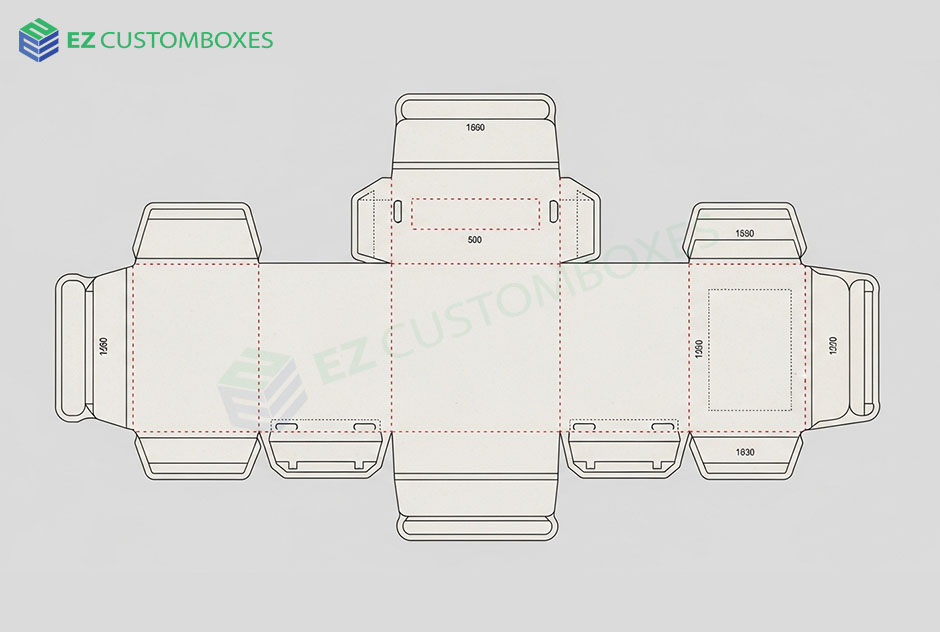
What is Dieline. A dieline is a flat template used in packaging design that shows how a box will be cut, folded, and assembled.
Key Elements of a Dieline:
- Cut lines – where the material is cut
- Fold lines – where the box bends
- Bleed areas – extra space for printing
- Safety margins – protect important design elements
Why it matters: A dieline ensures the final package is accurate and functional.
Why Dieline Is Important in Packaging
1. Ensures Accurate Printing
- Guides printers on layout placement
- Prevents misalignment and design errors
Why it matters: Accuracy leads to professional-looking packaging.
2. Reduces Production Errors
- Minimizes mistakes during cutting and folding
- Avoids material waste
Why it matters: Saves time and production costs.
3. Improves Packaging Structure
- Ensures boxes fold correctly
- Maintains shape and durability
Why it matters: Strong structure protects products.
4. Supports Better Design Placement
- Keeps logos and text within safe zones
- Prevents important elements from being cut off
Why it matters: Maintains brand quality and consistency.
5. Enhances Efficiency in Manufacturing
- Speeds up production process
- Standardizes packaging design
Why it matters: Improves workflow and productivity.
How Dielines Improve Packaging Design
Clear Layout Planning
- Defines panels and flaps
- Helps designers visualize the final product
Better Communication
- Bridges the gap between designers and manufacturers
Consistent Results
- Ensures uniform packaging across batches
How to Use a Dieline Effectively
Follow these steps:
- Measure product dimensions accurately
- Choose the right box style
- Apply correct dieline markings
- Place design elements within safe zones
- Test with a physical mockup
Pro Tip: Always review your dieline with a printer before production.
Common Mistakes to Avoid
- Ignoring bleed and safety areas
- Incorrect measurements
- Overlapping design elements
- Not testing the dieline
Why it matters: These errors can lead to printing failures and wasted materials.
Benefits of Using Dielines in Packaging
- Accurate and consistent results
- Reduced production costs
- Better product protection
- Improved brand presentation
FAQs (Featured Snippet Optimization)
Why is a dieline important in packaging?
A box dieline is important because it ensures accurate cutting, folding, and printing, resulting in high-quality packaging.
What happens if you don’t use a dieline?
Without a dieline, packaging may have incorrect dimensions, poor alignment, and structural issues.
How does a dieline improve packaging design?
It provides a clear layout that helps designers place elements correctly and avoid errors.
Who uses dielines in packaging?
Designers, printers, and manufacturers all use dielines to create and produce packaging.
Conclusion (CTA)
Understanding dieline for packaging is essential for creating high-quality, error-free packaging. A well-designed dieline ensures accuracy, efficiency, and professional results.
Take Action:
Use proper dieline design in your packaging projects to reduce errors, save costs, and deliver perfect results every time.