

Laser Treatments in Modern Healthcare: Benefits and Uses
Laser technology has emerged as one of the most transformative innovations in modern healthcare. Over the past few decades, it has revolutionized how medical professionals diagnose, manage, and treat a wide variety of conditions. With its ability to deliver precise, controlled energy to targeted tissues, laser-based treatments have become a preferred choice for both therapeutic and cosmetic procedures. Today, lasers are widely used across multiple medical specialties, offering patients safer, faster, and more effective outcomes.
Understanding Laser Technology in Medicine
The term LASER stands for “Light Amplification by Stimulated Emission of Radiation.” In simple terms, a laser produces a highly focused beam of light that can be adjusted in intensity and wavelength depending on the medical application. This flexibility allows healthcare providers to tailor treatments according to specific patient needs.
Unlike conventional surgical tools, lasers interact with tissues in a controlled manner. They can cut, vaporize, coagulate, or stimulate biological processes without causing unnecessary damage to surrounding areas. For example, some lasers are designed to target pigments in the skin, while others focus on water content within tissues. This level of customization is what makes laser technology highly effective in modern medicine.
Key Benefits of Laser Treatments
Precision and Accuracy
One of the most significant advantages of laser treatments is their exceptional precision. Medical professionals can focus on specific tissues without affecting nearby healthy structures. This is particularly important in sensitive areas such as the face, eyes, and internal organs.
Minimally Invasive Approach
Laser procedures often eliminate the need for large incisions. Many treatments are performed through small openings or even externally, reducing trauma to the body. This minimally invasive nature lowers the risk of complications and improves overall patient safety.
Faster Recovery Time
Patients undergoing laser treatments typically experience shorter recovery periods compared to traditional surgery. Since the procedures are less invasive, the body heals more quickly, allowing individuals to return to their daily routines sooner.
Reduced Pain and Discomfort
Laser treatments are generally associated with less pain. In many cases, local anesthesia or even no anesthesia is required. The reduced discomfort makes these procedures more accessible and appealing to a broader range of patients.
Lower Risk of Infection
Because lasers can seal blood vessels and sterilize the treatment area during procedures, the risk of infection is significantly reduced. This is a major advantage, especially in surgical and dermatological applications.
Enhanced Cosmetic Outcomes
In procedures where appearance is a priority, such as skin treatments, lasers offer more controlled and predictable results. This leads to improved patient satisfaction and long-lasting outcomes.
Major Applications of Laser Treatments
Dermatology and Aesthetic Medicine
Laser technology is widely used in dermatology for treating various skin concerns, including acne scars, pigmentation, wrinkles, and sun damage. These treatments work by removing damaged skin layers or stimulating collagen production, which improves skin texture and tone over time.
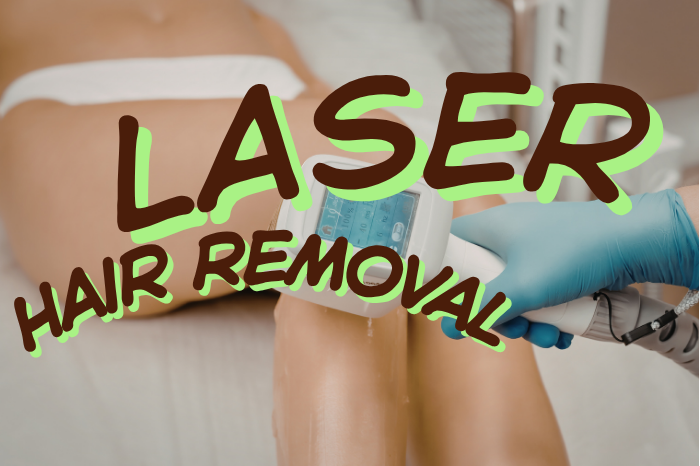
A commonly performed cosmetic procedure is laser hair removal, which targets hair follicles to reduce unwanted hair growth. It provides a long-term solution and is suitable for different areas of the body.
Ophthalmology (Eye Care)
Laser treatments have significantly advanced the field of ophthalmology. Procedures such as LASIK use lasers to reshape the cornea, improving vision and reducing dependence on corrective lenses. Additionally, lasers are used to treat eye conditions like glaucoma and diabetic retinopathy, helping to preserve vision and prevent complications.
Dentistry
Laser dentistry has introduced a more comfortable and efficient way to perform dental procedures. It is used for gum reshaping, cavity treatment, and teeth whitening. The precision of lasers minimizes damage to surrounding tissues, reduces bleeding, and speeds up healing.
Oncology (Cancer Treatment)
In cancer care, lasers are used to remove or shrink tumors, particularly in cases where traditional surgery may be risky. Laser therapy can also be used to relieve symptoms such as blockages or bleeding in advanced cancer cases. Its ability to target abnormal cells while preserving healthy tissue makes it a valuable tool in oncology.
General and Minimally Invasive Surgery
Lasers are increasingly used in various surgical procedures to cut tissues, seal blood vessels, and remove abnormal growths. Their precision reduces blood loss and improves surgical outcomes. In many cases, laser-assisted surgeries result in shorter hospital stays and quicker recovery.
Pain Management and Rehabilitation
Low-level laser therapy (LLLT), also known as cold laser therapy, is used to manage pain and promote healing. It works by stimulating cellular activity, reducing inflammation, and improving blood circulation. This therapy is commonly used for conditions such as arthritis, sports injuries, and chronic pain disorders.
Safety Considerations and Patient Awareness
While laser treatments offer numerous benefits, they must be performed by trained and experienced professionals to ensure safety and effectiveness. Each patient requires a personalized assessment before undergoing any procedure. Factors such as skin type, medical history, and treatment goals play a crucial role in determining the appropriate laser technique.
Common side effects are usually mild and temporary, including redness, swelling, or slight discomfort in the treated area. These effects typically resolve within a few hours or days. Proper aftercare, such as avoiding direct sun exposure and following medical advice, is essential for achieving optimal results.
Patients should also have realistic expectations and understand that some treatments may require multiple sessions to achieve the desired outcome. Consulting with a qualified healthcare provider helps ensure that the treatment plan is both safe and effective.
Technological Advancements in Laser Medicine
The field of laser medicine continues to evolve rapidly. New technologies are being developed to enhance precision, reduce side effects, and improve patient comfort. Innovations such as fractional lasers and picosecond lasers allow for more targeted treatments with minimal downtime.
Another emerging trend is the integration of laser technology with robotic systems, enabling highly accurate and automated procedures. These advancements are expanding the range of conditions that can be treated using lasers and improving overall treatment outcomes.
Research is also exploring the use of lasers in regenerative medicine, where they may help stimulate tissue repair and cellular regeneration. This could open new possibilities for treating chronic conditions and improving long-term health outcomes.
The Future of Laser Treatments in Healthcare
The future of laser treatments looks incredibly promising. As technology advances, laser procedures are expected to become even more efficient, affordable, and widely accessible. With ongoing research and innovation, lasers will continue to play a vital role in shaping the future of healthcare.
From early disease detection to advanced therapeutic applications, laser technology has the potential to further improve patient care and medical outcomes. Its versatility and effectiveness make it a cornerstone of modern medical practice.
Conclusion
Laser treatments have revolutionized modern healthcare by offering precise, minimally invasive, and highly effective solutions for a wide range of medical and cosmetic conditions. Their ability to deliver targeted results with reduced pain, faster recovery, and improved safety has made them an essential tool for healthcare providers.
As advancements in technology continue, laser treatments will become even more sophisticated, providing better outcomes and enhancing patient experiences. Whether used in dermatology, surgery, dentistry, or rehabilitation, lasers are undoubtedly shaping the future of healthcare in powerful and innovative ways.




















Leave a Reply