Hair loss continues to be one of the most common aesthetic and medical concerns worldwide, but treatment options have advanced significantly in recent years. Many people searching for hair loss treatment in Riyadh are now finding more effective, science-backed solutions than ever before. In 2026, the focus has shifted toward personalized, regenerative, and minimally invasive treatments that target the root causes of hair thinning rather than just masking symptoms.
1. Topical Minoxidil Therapy:
Minoxidil remains one of the most widely used and clinically proven treatments for hair regrowth. It works by improving blood flow to hair follicles and extending the growth phase of the hair cycle.
Key benefits include:
- Stimulates hair regrowth in early stages
- Increases follicle blood circulation
- Easy to use at home
- Available in foam and liquid forms
- Suitable for both men and women
Consistency is key for visible results.
2. Oral Finasteride Treatment:
Finasteride is a prescription medication that targets hormonal causes of hair loss, specifically DHT (dihydrotestosterone), which is responsible for follicle shrinkage in male pattern baldness.
Key effects include:
- Reduces DHT levels in the scalp
- Slows down hair thinning progression
- Helps maintain existing hair
- Clinically proven effectiveness
- Best suited for male pattern hair loss
Medical supervision is required for safe use.
3. Platelet-Rich Plasma (PRP) Therapy:
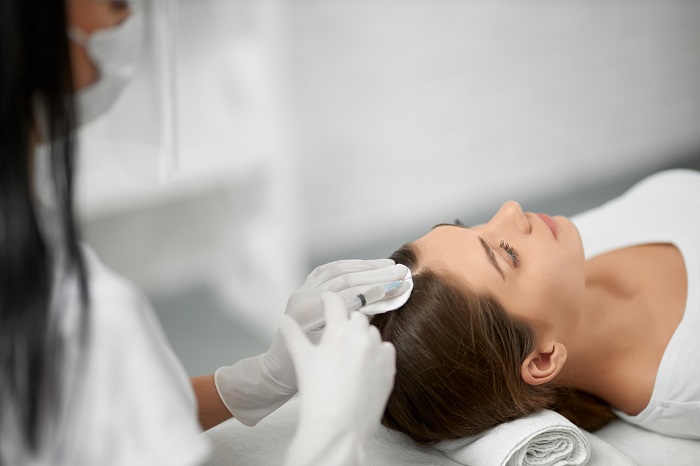
PRP therapy is a regenerative treatment that uses the patient’s own blood to stimulate hair growth. It is one of the most popular in-clinic procedures in modern dermatology.
How it works:
- Blood is drawn and processed to extract plasma
- Growth factors are injected into the scalp
- Stimulates dormant hair follicles
- Improves hair thickness and density
- Enhances natural regeneration process
It is minimally invasive with no downtime.
4. Low-Level Laser Therapy (LLLT):
Laser therapy uses controlled light energy to stimulate hair follicles and improve cellular activity in the scalp. It is a painless and non-invasive treatment option.
Benefits include:
- Increases scalp blood circulation
- Strengthens weak hair follicles
- Reduces hair shedding
- Promotes thicker hair growth
- Suitable for home or clinic use
Regular sessions are required for best results.
5. Hair Transplant Surgery:
Hair transplantation remains one of the most permanent solutions for advanced hair loss. It involves relocating healthy hair follicles to thinning or bald areas.
Key features:
- Permanent and natural-looking results
- Uses patient’s own hair follicles
- Effective for advanced baldness
- High success rate when performed correctly
- Requires recovery time after procedure
It is considered a long-term solution.
6. Nutritional and Supplement-Based Therapy:
Hair health is closely linked to nutrition, and deficiencies can significantly contribute to hair thinning. Correcting these imbalances is a foundational treatment.
Important nutrients include:
- Iron for oxygen delivery to follicles
- Biotin for keratin production
- Vitamin D for follicle activation
- Zinc for tissue repair
- Protein for hair structure
Balanced nutrition supports long-term hair growth.
7. Scalp Microneedling Therapy:
Microneedling involves creating micro-injuries on the scalp to stimulate collagen production and improve absorption of hair growth treatments.
Benefits include:
- Boosts natural healing response
- Enhances product absorption
- Stimulates dormant follicles
- Improves scalp circulation
- Can be combined with PRP or serums
It is effective for early to moderate hair loss.
8. Stem Cell-Based Hair Regeneration:
One of the most advanced treatments in 2026 is stem cell therapy, which focuses on regenerating hair follicles at a cellular level.
Key advantages:
- Promotes new follicle activity
- Encourages natural hair regeneration
- Targets root causes of hair loss
- Long-term improvement potential
- Cutting-edge medical technology
This treatment is still evolving but highly promising.
9. Anti-Androgen Scalp Treatments:
These treatments focus on blocking hormonal effects directly at the scalp level without affecting the entire body systemically.
Benefits include:
- Reduces DHT impact locally
- Slows down follicle miniaturization
- Helps preserve existing hair
- Supports other treatments effectively
- Minimizes systemic side effects
They are often used in combination therapy.
10. Personalized Combination Therapy:
The most effective approach in 2026 is often a combination of multiple treatments tailored to the individual’s condition. Dermatologists design personalized plans based on hair loss severity and cause.
Common combinations include:
- PRP + microneedling for stimulation
- Minoxidil + finasteride for hormonal control
- Laser therapy + supplements for support
- Transplant + maintenance therapies
- Regenerative + topical treatments
This approach improves overall success rates.
Why Modern Treatments Are More Effective in 2026:
Advancements in dermatology have significantly improved hair loss outcomes. Treatments are now more targeted, personalized, and science-driven than ever before.
Key improvements include:
- Better understanding of hair follicle biology
- Advanced regenerative medicine techniques
- Improved drug delivery systems
- Combination therapy approaches
- Early intervention strategies
These innovations are changing patient outcomes.
Importance of Early Treatment:
Early intervention remains one of the most important factors in successful hair restoration. The earlier treatment begins, the better the results.
Benefits of early treatment:
- Prevents permanent follicle damage
- Slows progression of hair loss
- Improves response to therapy
- Maintains existing hair density
- Reduces need for invasive procedures
Timely action leads to better long-term results.
Lifestyle Factors Supporting Hair Growth:
In addition to medical treatments, lifestyle plays a crucial role in maintaining healthy hair and preventing further loss.
Helpful habits include:
- Balanced and nutrient-rich diet
- Stress management techniques
- Adequate sleep and rest
- Regular scalp hygiene
- Avoiding harsh chemical treatments
Healthy habits enhance treatment effectiveness.
Psychological Impact of Hair Restoration:
Hair loss can significantly affect confidence and emotional well-being. Successful treatment often improves mental health and self-esteem.
Positive effects include:
- Improved self-confidence
- Reduced anxiety about appearance
- Better social comfort
- Enhanced quality of life
- Increased personal satisfaction
Restoring hair often restores confidence as well.
Choosing the Right Treatment Plan:
Selecting the right treatment depends on the cause, severity, and progression of hair loss. A professional consultation is essential for accurate diagnosis.
Factors considered include:
- Type of hair loss condition
- Age and genetics
- Scalp health status
- Lifestyle and expectations
- Treatment goals and budget
A customized approach ensures better outcomes.
Future of Hair Loss Treatments:
The future of hair restoration is focused on regenerative medicine, genetic therapies, and advanced follicle engineering. These innovations aim to reverse hair loss rather than just slow it.
Future trends include:
- Stem cell regeneration therapies
- Gene-targeted treatments
- Bioengineered hair follicles
- Advanced drug delivery systems
- AI-driven personalized treatment plans
The field continues to evolve rapidly.
Final Thoughts:
Hair loss treatments in 2026 are more advanced, effective, and personalized than ever before. From medications and PRP therapy to cutting-edge regenerative solutions, patients now have multiple scientifically proven options to address hair thinning and baldness. For individuals seeking hair loss treatment in Riyadh, combining early intervention with the right treatment plan can lead to significantly better results. With continued advancements in medical science, restoring healthy, natural-looking hair is becoming increasingly achievable for many people.