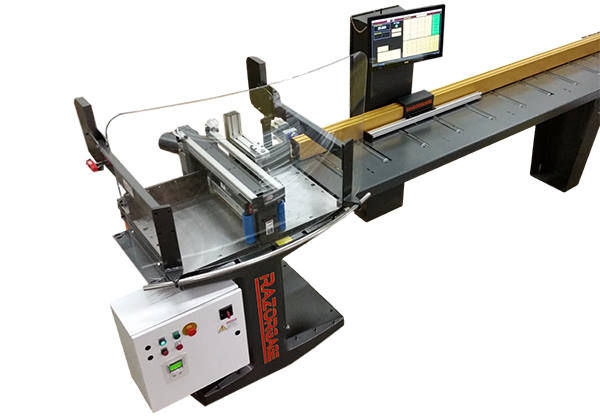
Modern manufacturing and fabrication industries rely heavily on precision, consistency, and operational efficiency. In this evolving environment, material positioning systems have become essential for improving workflow accuracy and reducing production errors. These systems are designed to support mechanical contracting fabrication by ensuring materials are aligned, measured, and processed with maximum precision. As fabrication standards continue to rise, manufacturers seek smarter solutions that enhance productivity while minimizing waste and manual adjustments. Precision-driven systems are now considered a fundamental component in achieving reliable fabrication outcomes.
Precision in Making Things
Tiny mistakes in measurements might weaken a structure or cause parts not to fit together right. What matters most in building metal pieces is getting every detail exactly correct. Machines cut steel plates, shape tubes, lay beams – each step needs perfect alignment. When placement stays on target, results stay reliable across long runs. Factories rely on smart tools that guide movement with extreme care during work. Consistency shows up best when every welded joint lines up without adjustment. Exactness isn’t just about rules – it shapes how well things last once built. Tools move slowly sometimes, yet never lose their intended path. Errors fade away where precision becomes routine practice. High-quality output grows naturally from repeatable accuracy at each station.
Efficient material handling matters
Start fast when things move smoothly – it changes how quickly work finishes and how safe people feel. Misaligned pieces plus wrong sizes cause stoppages, extra waste, leftover scraps pile up, workers spend more hours fixing avoidable issues. Today’s shops need setups that handle repeated jobs but still hit exact points every time. Machines that adjust on their own skip hand-measured mistakes, keep steps in line across shifts. Less walking around, fewer adjustments mean crews finish sooner and stay sharp down to the smallest detail.
Improving Workflow Accuracy
Getting things right in manufacturing shops comes down to doing the same steps the same way each time. Because machines can place materials just where they need to be, workers measure precisely when slicing, boring, or putting parts together. When jobs involve mass output or one-off builds, steady results make a big difference. Since numbers stay trustworthy from blueprint to finished piece, designers and builders find it easier to stay aligned. Fewer mistakes in the process mean clients get what they expect while less time gets wasted fixing errors.
The Role of Automation in Making Things
Out in today’s workshops, machines handle moves once done by hand. Sliding parts into place now happens without constant measuring or guesswork. Less strain hits workers. Mistakes tied to tired eyes drop off too. Some builders tie smart systems into daily routines just to untangle tricky jobs. With each update, these tools bend better to different needs – big runs of identical pieces feel no harder than one-off builds shaped exactly right.
Enhancing Production Consistency
Sticking to the same approach keeps quality steady when building different things. When measurements shift too much, trouble often shows up later during setup or putting parts together. Tools that position precisely help factories run tasks the same way every time, making sure pieces fit what they need to. Solid setups cut down on errors, keeping output even through many rounds of making stuff. Uniform work doesn’t just last better – it builds trust among others who expect dependable results in tough markets.
Reducing Material Waste
Cutting mistakes add up fast in today’s factories. When pieces are placed wrong, extra scraps pile up – costing money and hurting nature too. Getting it right the first time means less mess later. Spot-on alignment tools keep things tight and tidy from beginning to end. Saving material pays off, sure – but it also eases pressure on the planet. Firms planning ahead see sharper machines mean thinner waste streams. Less junk ends up tossed when every move counts.
Helping with Complicated Building Tasks
Building machines usually means following tight plans where exactness matters most. From big office buildings to factory setups, custom work pushes builders to measure every piece without error. Instead of struggling with tricky shapes, teams now use smart tools that adjust easily during assembly. With these aids, workers line up difficult joints, repeat steps smoothly, or hold odd sizes firmly in place. Handling tough builds well gives shops an edge when jobs get complicated fast.
What Comes Next in Making Things
One step ahead, fabrication tech shifts toward sharper accuracy, automated workflows, faster output. Digital brains now link tightly with machine movements through smarter control interfaces. Expect better data tracking, smoother oversight during builds, stronger results across the board soon. Industries leaning into modern methods keep relying heavily on exactness to run well. Connectivity grows more vital – machines talk, adjust, learn while tasks shift quickly.
Conclusion
Precision and consistency are essential in modern mechanical fabrication, making advanced positioning solutions more valuable than ever before. Businesses seeking higher efficiency, reduced waste, and improved production quality increasingly rely on material positioning systems to optimize fabrication processes. These technologies support accurate measurements, streamlined workflows, and reliable operational performance across a wide range of projects. As fabrication demands continue to evolve, advanced solutions such as razorgage anglemaster contribute to greater precision and enhanced productivity within modern manufacturing environments.
FAQs
What are material positioning systems used for?
Material positioning systems are used to improve measurement accuracy, alignment, and consistency during fabrication and manufacturing processes. They help reduce errors and increase production efficiency.
Why is precision important in mechanical fabrication?
Precision ensures that fabricated components fit correctly, maintain structural integrity, and meet project specifications. Accurate fabrication reduces costly rework and improves overall quality.
How do positioning systems reduce material waste?
Positioning systems improve measurement accuracy, which minimizes cutting errors and unnecessary material loss. This helps lower operational costs and supports sustainable manufacturing practices.
Can automated positioning systems improve productivity?
Yes, automation reduces manual adjustments and repetitive tasks, allowing fabrication teams to complete projects more efficiently while maintaining consistent accuracy.
Are advanced positioning systems suitable for complex projects?
Advanced positioning systems are highly effective for complex fabrication projects because they provide reliable precision, repeatability, and flexibility for detailed production requirements.