

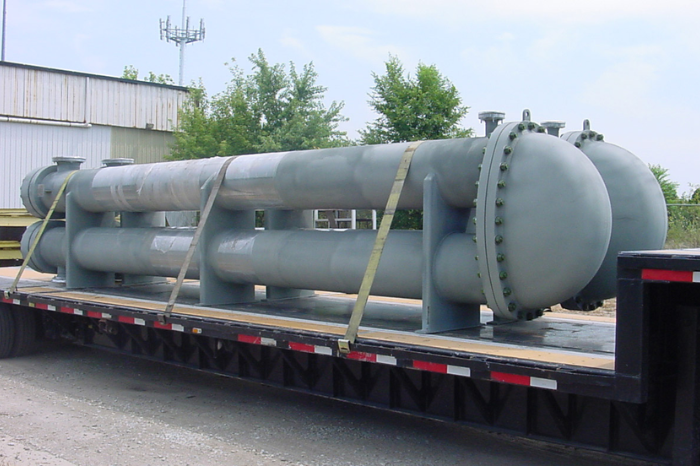
Most factories need steady heat setups just to keep running without overspending. When looked after well, stainless steel heat exchangers help move warmth effectively, cutting down interruptions along the way.
Over time, things start to go wrong if upkeep slips – gunk builds up, metal eats away, layers form where they shouldn’t, parts slowly break down. Knowing how to care for heat exchanger parts to keep them running longer and more dependably. When steps are followed right, problems show up less often.
Heat Exchanger Maintenance Keeps Systems Running
Little by little, gunk gathers within heat exchangers. As this happens, less heat moves through smoothly. Energy needs to creep up because of it.
Routine maintenance helps:
- Improve heat transfer efficiency
- Reduce energy costs
- Prevent unexpected failures
- Extend equipment life
- Improve process reliability
Maintenance gets top attention at some sites – fewer hiccups pop up during daily work there.
Common Performance Problems Explained
Fouling
Built-up gunk shows up on heating surfaces, slowing things down. Efficiency drops because the crud acts like a shield.
Corrosion
Though it fights rust well, stainless steel might weaken when hit by strong chemicals or rough use.
Scaling
Over time, minerals left behind by water tend to build up. This buildup narrows passages where water moves through. Heat does not pass as well when these layers form inside pipes.
Mechanical Wear
Over time, some pieces inside a heat exchanger can degrade because of constant shaking, shifts in pressure, or repeated heating and cooling cycles.
Important Heat Exchanger Components to Watch
Several components require routine inspection.
Tubes and Plates
Faults like buildup, rust, or harm show up on hot surfaces when checked. Inspection catches these issues before they grow worse.
Gaskets
Old seals might start leaking, which then slows things down. When they get too worn out, drips begin showing up instead of clean operation.
Shells and Headers
Built right, things hold together when used. That keeps everyone around them out of harm’s way during use.
Baffles
Baffles that are broken can lower how well fluid moves through. Efficiency drops when parts inside wear out. Heat does not move as effectively if components are harmed. Performance slips with worn internal structures.
heat exchanger
Cleaning Methods for Heat Exchangers
Cleaning often stands out as a top way to keep things running well.
Mechanical Cleaning
Start by scraping away buildup with a firm tool. Then sweep off residue using a brush made for scrubbing. Finally, wipe the surface clean after loosening gunk through steady pressure.
Chemical Cleaning
Using specific cleaners breaks down buildup safely. These formulas tackle grime while protecting machinery parts. A careful mix removes deposits without harming surfaces. Some liquids clear blockages yet keep components intact. Right agents loosen gunk but avoid wear on tools.
High-Pressure Water Cleaning
Occasionally, high-pressure water clears tough gunk where other methods fail. Streams of liquid blast away deposits that resist simpler cleaning. Forceful sprays tackle grime in narrow spaces others miss. Sometimes only a focused flow cuts through years of clinging residue.
How things are built shapes which approach fits best. Yet what kind of dirt is present also changes the choice.
Monitoring System Performance
Performance monitoring helps identify problems before failures occur.
Key indicators include:
- Temperature differences
- Pressure drops
- Flow rates
- Energy consumption
When things shift without warning, that usually means upkeep is due.
Extending Equipment Lifespan
To maximize the life of your stainless steel heat exchanger, consider the following practices:
- Implement preventive maintenance schedules
- Use appropriate water treatment programs
- Replace damaged heat exchanger parts promptly
- Conduct regular inspections
- Maintain accurate operating records
Equipment lasts longer when these methods are used. Failure happens less often because of how they work.
heat exchangers parts
Modern Advances in Heat Transfer Equipment
Fine-tuned parts now shape how modern heat exchangers work, making them run smoother while cutting down on upkeep headaches. Instead of old-school methods, clever tweaks inside help energy move faster without extra effort. Efficiency climbs when design choices favor flow over friction. Maintenance windows shrink because access points are smarter laid out. These updates aren’t flashy – just practical shifts that add up quietly.
Innovations include:
- Enhanced heat transfer surfaces
- Corrosion-resistant materials
- Improved gasket technology
- Digital monitoring systems
- Energy-efficient designs
Faster systems now let companies spend less without slowing down. Yet work gets done quicker than before.
The Cost Benefits of Preventive Maintenance
A dollar saved today beats ten spent tomorrow when machines are checked before they break. Equipment looked after now skips costly surprises later. Small fixes add up slower than sudden breakdowns drain wallets fast.
Benefits include:
- Lower operating costs
- Improved energy efficiency
- Reduced downtime
- Better equipment reliability
- Extended asset life
Staying ahead helps operations run without sudden costs slowing things down.
Conclusion
Every now and then, checking key components keeps a stainless steel heat exchanger running without surprises. When grime builds up, wiping down the areas where heat moves helps it work as intended. Watch how the system behaves over time – patterns often reveal small issues before they grow. With steady care, machines last longer while using less power. Fixing little things early cuts expenses that pile up later.
When today’s thermal systems advance, upkeep-focused sites gain ground on lasting performance. Machines last longer where care comes first – progress follows quiet effort.
Frequently Asked Questions
1. What causes heat exchanger fouling?
Films build up over time as gunk sticks to metal parts inside machines. Slime sneaks in alongside grit when water flows through pipes. Tiny bits settle where warmth moves across walls of equipment. Life forms creep in too, like algae hitching a ride on wet spots. Dust tags along with hard particles that rain down from supply lines.
2. How can I improve heat exchanger efficiency?
Start by wiping things down now and again – this helps spot issues early. When you check how the system runs every so often, problems show up before they grow. Take time to fix small stuff routinely; it keeps everything moving without hiccups later on.
3. What needs checking most on a heat exchanger?
Bent metal curves, flat barriers, sealing rings – each matters just as much. Inside chambers, spread-out sheets hold position beside caps. Between layers, dividers guide flow without drawing attention. Hidden pathways rely on these pieces staying intact.
4. How often should a stainless steel heat exchanger be cleaned?
How often cleaning happens relies on how the system runs, what the fluid is like, plus how quickly gunk builds up – yet checks need to happen now and then. Still, watching things closely makes a difference over time.















Leave a Reply