


Majority is frequently described as an alternate nonage — a time when the body undergoes profound shifts that can feel disorienting, exhausting, and indeed shocking. For both women navigating perimenopause and menopause, and men passing andropause, the hormonal changes that unfold between the periods of 35 and 60 can affect everything from sleep quality and mood to metabolism, libido, and cognitive clarity. The good news is that restoring hormonal balance is entirely attainable with the right combination of life changes, nutritive support, and, when applicable, medical interventions similar as Bioidentical Hormone therapy — a treatment approach that uses hormones molecularly identical to those your body naturally produces.
Understanding the Hormonal Shifts of Majority
Before you can restore balance, it helps to understand what is changing and why.
For women, the perimenopausal transition which can begin as beforehand as themid-30s — involves a gradational decline in estrogen and progesterone. These are not just reproductive hormones; they play critical places in regulating mood, bone viscosity, cardiovascular health, and sleep armature. As situations change aimlessly before ultimately dropping, women frequently witness hot flashes, night sweats, brain fog, irregular cycles, anxiety, and weight gain — particularly around the tummy.
For men, testosterone situations begin a slow decline of about 1 – 2 per time after age 30. By themid-40s and 50s, low testosterone( frequently called” Low T”) can manifest as fatigue, reduced muscle mass, perversity, poor attention, and dropped sexual drive — symptoms constantly dismissed as simply” getting aged.”
In both cases, thyroid function can also come compromised during majority, adding another subcaste of hormonal complexity. Insulin resistance, elevated cortisol from habitual stress, and declining DHEA situations further complicate the picture.
life Foundations TheNon-Negotiables
No hormonal restoration plan works without addressing the fundamentals. These life pillars form the bedrock of balance
Sleep
Hormones are largely regulated and buried during sleep. Prioritize 7 – 9 hours of continued rest. Establish a harmonious sleep schedule, minimize blue light exposure after dark, and keep your bedroom cool — especially important for women passing night sweats.
Nutrition
A whole- food diet rich in healthy fats( avocados, olive oil painting, wild- caught fish) is essential because hormones are synthesized from salutary fat. Cruciferous vegetables like broccoli and Brussels sprouts support estrogen metabolism. Reduce refined sugar and reused carbohydrates, which spike insulin and drive hormonal imbalance. Phytoestrogen-rich foods like flaxseeds and instigated soy may offer mild estrogenic support for women in early perimenopause.
Movement
Resistance training is particularly important during majority — it helps save muscle mass, improves insulin perceptivity, and supports testosterone situations in both men and women. Aim for 3 – 4 sessions per week. Complement this with low- intensity exertion like walking to regulate cortisol.
Stress operation
habitual stress cataracts the body with cortisol, which can suppress coitus hormone product through a medium occasionally called” cortisol steal.” diurnal practices like contemplation, breathwork, journaling, or simply time in nature can meaningfully lower cortisol over time.
Targeted Supplements That Support Hormonal Health
While food should come first, several substantiation- informed supplements can give meaningful support
- Magnesium glycinate — supports progesterone product, reduces anxiety, and improves sleep quality
- Vitamin D3 K2 — essential for hormonal signaling and bone health
- Adaptogenic sauces — ashwagandha and rhodiola help regulate the HPA( stress) axis and ameliorate adaptability to cortisol
- DIM( Diindolylmethane) — supports healthy estrogen metabolism in women
- Zinc — critical for testosterone product in men
Always consult a good healthcare provider before starting any supplement protocol, particularly if you’re on specifics or have being health conditions.
Gut Health and Hormones The Overlooked Connection
An uncredited motorist of hormonal imbalance is poor gut health. The” estrobolome” a subset of gut bacteria plays a direct part in metabolizing and recycling estrogen. When gut foliage is disintegrated by antibiotics, poor diet, or habitual stress, estrogen can be inaptly reabsorbed into the bloodstream, contributing to estrogen dominance or insufficiency.
Supporting gut health through fermented foods( kefir, kimchi, sauerkraut), prebiotic fiber, and reducing gut- dismembering foods like alcohol and artificial sweeteners is a authentically important hormonal strategy — bone that’s frequently overlooked in conventional approaches.
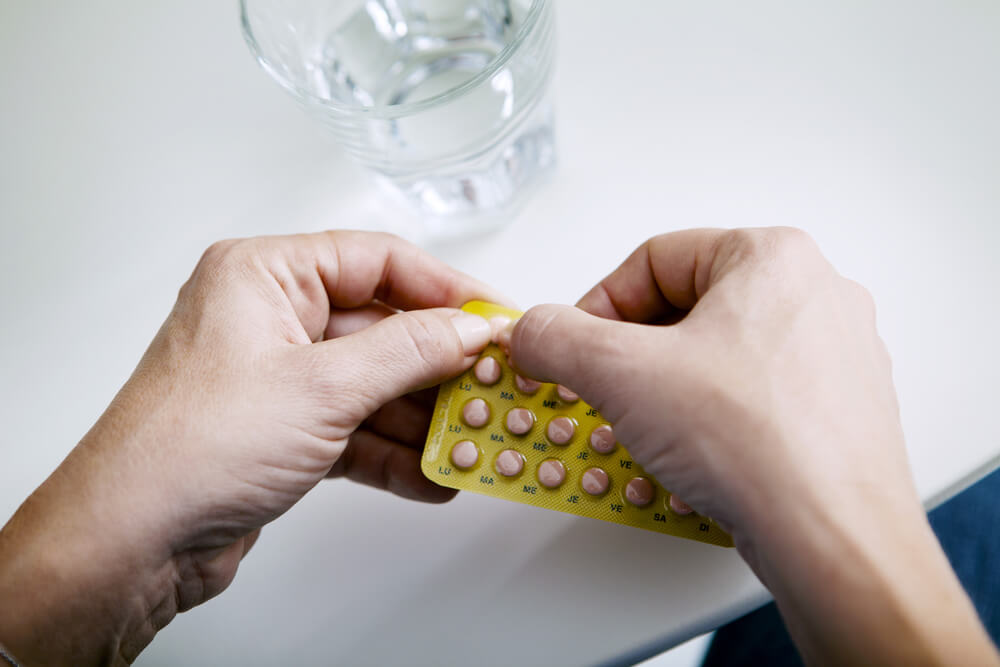
Why Bioidentical Hormone Therapy Might Be Right for You
For numerous people, life interventions alone are n’t enough and that is not a failure. When symptoms are severe enough to significantly impact quality of life, working with a knowledgeable functional drug croaker or menopause- specialist OBGYN to explore Bioidentical Hormone therapy can be life- changing.
Unlike synthetic hormones used in aged hormone relief protocols, bioidentical hormones are deduced from factory sources and are structurally identical to the hormones your body produces. They can be specified in personalized boluses grounded on comprehensive lab testing, targeting your specific hormonal scarcities rather than applying a one- size- fits- all formula.
numerous cases report dramatic advancements in energy, sleep, cognitive function, mood stability, and libido — occasionally within weeks of starting treatment. However, a substantiated discussion with a hormone specialist could open a door to a dramatically better quality of life, If you’ve tried life changes without relief.
Conclusion Reclaiming Your Vitality
Majority hormonal changes are real, measurable, and manageable. The key is approaching them with tolerance, tone- mindfulness, and the right support. Start with sleep, nutrition, movement, and stress reduction. Subcaste in targeted supplementation and gut health strategies. And if symptoms persist, do not vacillate to explore medically supervised hormonal support. Your stylish times do not have to be behind you with the right approach, majority can be the morning of a healthier, more purposeful chapter than any you’ve lived before.
Frequently Asked Questions
- What age do hormonal changes usually begin during majority?
Hormonal changes can start as early as the mid-30s. Women may begin experiencing perimenopausal shifts, while men often start seeing gradual declines in testosterone levels after age 30. - Can lifestyle changes alone restore hormonal balance?
For many people, improvements in sleep, nutrition, exercise, and stress management can significantly help. However, some individuals may still need medical guidance or hormone-based therapies if symptoms remain severe. - How do gut health and hormones relate to each other?
Gut bacteria help regulate how estrogen is metabolized in the body. Poor gut health can interfere with this process and may contribute to hormonal imbalance. - What is Bioidentical Hormone Therapy?
Bioidentical Hormone therapy refers to hormone treatments that use compounds chemically identical to the hormones produced by the human body. They are often customized based on lab testing to help correct specific hormonal deficiencies.























Leave a Reply