

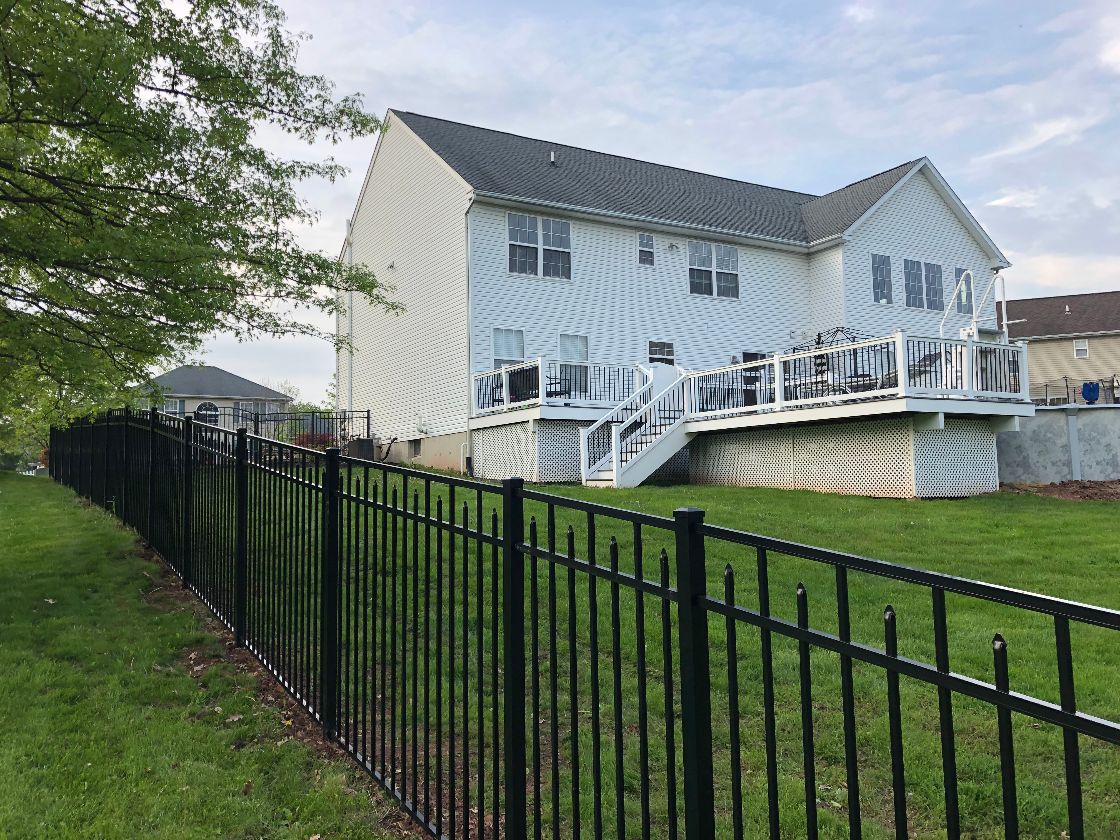
Upgrading your property boundary doesn’t have to drain your savings. Whether you’re aiming for better security, privacy, or curb appeal, there are cost-effective strategies that deliver real value. Working with an affordable fence company can help you explore practical solutions without compromising on quality. Homeowners now find plenty of affordable upgrades through small changes in materials or clever layout ideas. This guide shows practical steps to improve your property edge without stretching your wallet.
Why Property Boundaries Matter
A well-defined property boundary serves multiple purposes beyond aesthetics. It enhances security by deterring trespassers, increases privacy from neighbors, and can even boost property value. According to real estate insights, homes with clearly maintained boundaries often attract more buyers and can sell faster. Additionally, understanding local regulations, including local codes for fences, ensures your upgrades are compliant and avoids costly penalties or rework later.
Choose Cost-Effective Materials
Picking cheaper materials often leads to solid savings without sacrificing much. Even though high-end wood or iron fencing catches the eye, something basic like chain-link, bamboo, or pine holds up well for less cash. Take pressure-treated lumber – it fights off rot and bugs, so it lasts longer even when wet. On that note, vinyl-covered chain-link stands strong while looking sharper than bare wire fences out back.
Partial Fencing Options
Pick spots that matter most when putting up fences around your place. Maybe block off the back area for more seclusion, but keep the front clear or mark it with something short and nice-looking. Focusing on key zones cuts down what you spend on supplies and work, yet still gives useful results. Saving money does not mean giving up what matters.
Reuse Old Stuff
Found objects often surprise with their usefulness. Reclaimed wood from old crates might become a fence where metal scraps lend sharp lines. A boundary built of used bricks carries stories, not just structure. Saving money happens quietly when materials get second chances. Character grows where others see waste. More people choose reuse simply because it feels right. Fences made from what was discarded stand firm, cost less, leave lighter marks.
Fence Meets Garden
From the start, mixing greenery into fencing gives a soft edge without heavy construction. A line of bushes works just as well as blocking sight, plus it draws the eye pleasantly. Try ivy up a thin metal grid – seasons pass, then suddenly you have cover where there was openness. Instead of spending much at once, parts go up slowly, growing stronger each year. The result stands quietly, doing its job while looking like part of the land.
DIY Where Possible
Working on your own might save money when putting up a fence. A good chunk of what you pay usually goes toward people doing the labor. With just simple tools and some know-how, certain jobs could be yours to tackle. Clearing space where the barrier will go, giving it a fresh coat of paint, or snapping together ready-made sections – those things don’t always need an expert. Yet getting posts level and making sure everything stands firm? That part benefits from advice or hands-on support by top-rated installers. Mixing personal effort with smart outside help keeps spending lower in total.
Maintain and upgrade existing fences
A fresh coat of paint might do more than you expect if your fence is still standing. Instead of tearing everything down, try fixing just the broken parts first. Sealing the wood every few years helps it last longer under sun or rain. Lattice on top brings a new look without needing heavy work. Post caps add detail while keeping things practical. Over time, small fixes prevent bigger problems later. Care today means fewer repairs tomorrow.
Modular or Pre-Fabricated Panels
Ready-made fence sections aim at hassle-free setup, usually costing less compared to ones built on site. Since they arrive in fixed dimensions, putting them together takes little time, which lowers work hours along with expenses. If spending changes down the line, detachable designs make it possible to add more later without starting over.
Follow Local Rules When Planning
Start by checking what rules apply where you live before building a fence. Wherever you are, local guidelines might control how tall it can be, what it’s made of, or how far from the boundary it must sit. Breaking these rules could mean paying penalties or tearing it down later – costs that were avoidable. Getting things right at the beginning keeps your effort safe under law.
Conclusion
Upgrading your property boundary on a budget is entirely achievable with the right approach. By choosing cost-effective materials, exploring DIY options, and incorporating landscaping, you can create a functional and visually appealing boundary without overspending. Careful planning and awareness of regulations further ensure long-term success. For the best results, consider consulting local fence installers who understand regional requirements and can help you maximize value within your budget.
FAQs
What is the cheapest type of fence to install?
Chain-link fencing is typically the most affordable option due to its low material and installation costs, while still providing durability and security.
Can I install a fence myself to save money?
Yes, DIY installation can reduce costs, especially for simple designs. However, professional assistance is recommended for complex layouts or uneven terrain.
How can I make my fence look better on a budget?
You can improve appearance by painting, staining, or adding decorative elements like plants or lattice panels without significant expense.
Are there legal requirements for building a fence?
Yes, most areas have regulations regarding height, placement, and materials. Always check local codes before starting your project.
How long does a budget fence typically last?
The lifespan depends on the material. For example, treated wood can last 10–15 years with proper maintenance, while vinyl and metal options may last longer.

















Leave a Reply