


Many patients often ask whether medications like Xanax 1mg and Adderall 30mg Sandoz can be prescribed together. Xanax 1mg is a commonly used dose for treating anxiety and panic disorders. Patients with coexisting attention-deficit issues or ADHD may also be on stimulants like Adderall 30mg Sandoz. Understanding the interaction, medical risks, and clinical reasoning behind prescribing these medications together is important for anyone considering this combination.
Doctors sometimes face challenging decisions when both anxiety and ADHD symptoms are present. Xanax 1mg helps reduce anxiety by calming the nervous system, whereas stimulants like Adderall 30mg Sandoz increase alertness and focus. The combination can be beneficial in specific cases but requires careful monitoring to ensure safety and effectiveness.
Can Xanax 1mg Be Prescribed With Stimulants?
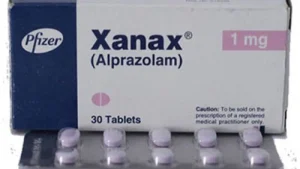
Xanax 1mg can be prescribed with stimulant medications, but it is not standard practice. Xanax 1mg belongs to the benzodiazepine class and is mainly used for anxiety management. Stimulants like Adderall 30mg Sandoz have an opposite effect by increasing central nervous system activity to improve attention and focus. This opposing action is why doctors must carefully assess whether the combination is appropriate.
In some clinical scenarios, Xanax 1mg is used to manage acute anxiety symptoms while a stimulant improves concentration during the day. Doctors generally avoid long-term simultaneous use of these medications due to the risk of dependency on Xanax 1mg and potential side effects from stimulants. The key is to use the lowest effective dose of each medication and maintain careful monitoring.
When Combination Therapy May Be Necessary
Combination therapy involving Xanax 1mg may be considered when anxiety and ADHD symptoms significantly impact daily life. For instance, a patient struggling with both panic attacks and difficulty focusing at work may benefit from a carefully structured treatment plan. Doctors weigh the severity of symptoms, prior response to treatments, and overall patient health before deciding on this approach.
In these cases, Xanax 1mg may be prescribed on a short-term or as-needed basis, while the stimulant manages attention-related symptoms. Physicians often combine medication therapy with behavioral strategies, therapy, or lifestyle adjustments to reduce the need for high doses or prolonged use of Xanax 1mg.
Medical Risks of Combining These Medications
Combining Xanax 1mg with stimulants can cause unpredictable effects due to their opposing mechanisms. While Xanax 1mg slows brain activity to reduce anxiety, stimulants accelerate neural activity to improve focus. This can sometimes result in side effects such as fatigue, irritability, mood swings, or overstimulation.
Dependence and tolerance are major concerns with Xanax 1mg. Patients may develop a psychological or physical reliance on the drug if it is used frequently or at high doses. Physicians must monitor patients closely and adjust the dosage or discontinue Xanax 1mg when necessary. Alcohol or other sedatives should always be avoided to minimize risks.
How Doctors Manage Xanax 1mg Treatment Plans
When prescribing Xanax 1mg, doctors follow a strict plan focused on safety and effectiveness. They begin with a thorough assessment of patient history, including any previous use of benzodiazepines, stimulants, or other medications. Xanax 1mg is usually started at the lowest effective dose to control anxiety while limiting sedation or dependency risk.
Short-term use is the most common approach. Doctors often instruct patients to take Xanax 1mg only during high-anxiety situations instead of daily. By limiting use, patients experience symptom relief without developing long-term dependence, and doctors can better assess the effectiveness of combined therapies.
Monitoring and Adjustments
Regular monitoring is essential when Xanax 1mg is prescribed, especially alongside stimulants. Doctors schedule follow-ups to evaluate the patient’s response, check for side effects, and make dosage adjustments. If anxiety symptoms improve, Xanax 1mg may be tapered gradually.
Alternative treatments are also considered to reduce reliance on Xanax 1mg. Antidepressants, therapy, or non-benzodiazepine medications may be recommended. The ultimate goal is a safe, sustainable plan that addresses anxiety without overexposing the patient to the risks of long-term benzodiazepine use.
Role of Adderall 30mg Sandoz in Combined Therapy
Adderall 30mg Sandoz is a stimulant that enhances focus and reduces impulsivity in patients with ADHD. When anxiety is also present, doctors sometimes consider using Adderall 30mg Sandoz alongside Xanax 1mg. This requires careful scheduling and dose management to prevent overstimulation or sedation.
Adderall 30mg Sandoz increases dopamine and norepinephrine levels in the brain, improving concentration and attention. Doctors often prescribe stimulants during the day while reserving Xanax 1mg for evening or acute anxiety episodes. This approach maximizes therapeutic benefit while minimizing conflicting drug effects.
Safety Considerations and Patient Guidance

Patient safety is the primary concern when combining Xanax 1mg and stimulants. Misuse of Xanax 1mg can lead to dependence, withdrawal symptoms, and significant side effects. Patients should always follow the prescribed dosage and never attempt to adjust the schedule themselves.
Doctors emphasize avoiding alcohol, sedatives, or other CNS depressants while on Xanax 1mg. Such combinations increase the risk of severe drowsiness, impaired motor skills, and respiratory depression. Patients must communicate openly with healthcare providers about side effects or concerns to ensure safe treatment.
Lifestyle and Behavioral Support
Medication alone may not address all symptoms. Patients using Xanax 1mg benefit from lifestyle adjustments such as structured routines, regular exercise, and stress management techniques. These strategies support the medication’s effectiveness and reduce long-term dependence.
Behavioral therapies, especially cognitive behavioral therapy, help patients develop coping strategies for anxiety while improving focus and productivity. Integrating therapy with medications like Xanax 1mg and stimulants provides comprehensive care and better long-term outcomes.
Long-Term Outlook
Long-term use of Xanax 1mg is generally discouraged due to its potential for dependence. Doctors typically aim to transition patients to safer alternatives, such as antidepressants or therapy-based interventions. Periodic reassessment ensures the continued need for Xanax 1mg is justified and that dosage remains appropriate.
For patients on Adderall 30mg Sandoz, ongoing monitoring ensures that attention symptoms are effectively managed while minimizing side effects. Adjustments to either medication may occur over time to achieve a safe and effective treatment balance.
Final Thoughts
Doctors can prescribe Xanax 1mg and stimulant medications together in specific, carefully monitored situations. Xanax 1mg provides short-term relief for anxiety while stimulants like Adderall 30mg Sandoz address attention and focus challenges.
Patients must follow their doctor’s instructions carefully and avoid unsupervised use. A personalized plan, consistent monitoring, and integration with therapy and lifestyle changes ensure the safest and most effective treatment outcomes. Proper medical guidance allows patients to manage both anxiety and attention disorders safely without compromising long-term health.




















Leave a Reply