

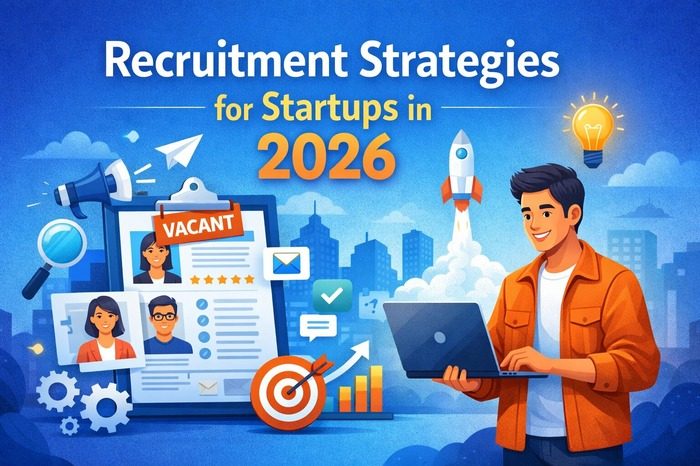
Hiring the right talent is one of the biggest challenges startups face today, which makes implementing effective Recruitment Strategies extremely important. With limited resources and strong competition from established companies, startups must adopt smart hiring strategies to attract skilled professionals. In 2026, technology is playing a major role in recruitment, helping companies streamline hiring processes and improve candidate management. Many startups are also adopting a recruiting management system to organize job applications, track candidates, and simplify the overall hiring workflow. By using modern tools and strategic approaches, startups can build strong teams that support rapid business growth.
Why Recruitment Strategy Matters for Startups
For startups, every hiring decision has a significant impact on the company’s success. Unlike large organizations, startups usually operate with smaller teams where each employee plays an important role in growth and innovation. Hiring the wrong candidate can affect productivity, team morale, and project timelines.
A well-planned recruitment strategy helps startups:
-
Attract high-quality candidates
-
Reduce hiring time and costs
-
Improve employee retention
-
Build a strong company culture
-
Scale the business efficiently
With increasing competition for skilled professionals, startups need modern recruitment strategies to stay ahead in the talent market.
Top Recruitment Strategies for Startups in 2026
1. Build a Strong Employer Brand
Employer branding has become an essential recruitment strategy. Job seekers are more likely to apply to companies that showcase a positive work culture and growth opportunities.
Startups can strengthen their employer brand by:
-
Sharing employee experiences on social media
-
Highlighting company achievements
-
Promoting flexible work environments
-
Publishing behind-the-scenes content about the workplace
A strong employer brand makes your startup more attractive to talented professionals.
2. Leverage Social Media Recruitment
Social media platforms have become powerful tools for modern recruitment. Platforms like LinkedIn, Twitter, and Facebook allow startups to reach a large audience of potential candidates.
Startups can use social media to:
-
Promote job openings
-
Connect with professionals in their industry
-
Build relationships with potential candidates
-
Share company updates and achievements
Social media recruitment also helps attract passive candidates who may not be actively searching for jobs.
3. Focus on Skills-Based Hiring
Many organizations are shifting from traditional qualification-based hiring to skills-based recruitment. This strategy focuses on evaluating candidates based on their abilities rather than just academic degrees.
Startups benefit from skills-based hiring because it allows them to identify individuals who can immediately contribute to business growth.
Key factors to evaluate include:
-
Technical skills
-
Problem-solving abilities
-
Adaptability
-
Team collaboration
This approach helps startups discover talented candidates who may not have traditional credentials but possess valuable skills.
4. Implement Employee Referral Programs
Employee referrals are one of the most effective and cost-efficient recruitment methods. Current employees understand the company culture and can recommend candidates who are likely to fit well within the organization.
Benefits of employee referral programs include:
-
Faster hiring process
-
Higher-quality candidates
-
Lower recruitment costs
-
Better employee retention
Providing referral bonuses can motivate employees to recommend qualified candidates from their professional networks.
5. Use Recruitment Automation
Manual hiring processes can slow down recruitment and make it difficult to manage multiple applicants. Automation tools help streamline recruitment by reducing administrative tasks.
Automation can assist with:
-
Resume screening
-
Interview scheduling
-
Candidate tracking
-
Communication with applicants
By automating repetitive tasks, HR teams can focus more on evaluating candidates and making better hiring decisions.
6. Write Clear and Engaging Job Descriptions
A well-written job description plays a crucial role in attracting the right candidates. Clear job descriptions help applicants understand the role, responsibilities, and expectations.
Effective job descriptions should include:
-
A clear job title
-
Key responsibilities
-
Required skills and experience
-
Company culture highlights
-
Growth opportunities within the organization
Avoid overly complex or unrealistic requirements that may discourage qualified candidates from applying.
7. Use Data-Driven Recruitment
Data-driven recruitment helps startups make smarter hiring decisions. By analyzing recruitment metrics, companies can identify weaknesses in their hiring process and improve efficiency.
Important recruitment metrics include:
-
Time-to-hire
-
Cost-per-hire
-
Candidate drop-off rate
-
Offer acceptance rate
Monitoring these metrics helps startups optimize their recruitment strategy and improve overall hiring outcomes.
8. Offer Flexible Work Opportunities
Flexible work arrangements are increasingly important for modern professionals. Many candidates prefer companies that offer remote or hybrid work options.
Startups that provide flexible work policies can attract skilled professionals from different locations and create a more diverse workforce.
Flexible work environments also improve employee satisfaction and productivity.
9. Prioritize Candidate Experience
Candidate experience plays a significant role in recruitment success. A complicated or slow hiring process can discourage talented professionals from joining your company.
To improve candidate experience:
-
Communicate clearly with applicants
-
Provide regular updates during the hiring process
-
Keep interview processes simple and efficient
-
Offer constructive feedback when possible
A positive hiring experience strengthens the company’s reputation and encourages candidates to recommend your organization to others.
Future of Recruitment for Startups
The recruitment landscape continues to evolve as new technologies emerge. Artificial intelligence, automation, and data analytics are transforming how companies find and hire talent.
In the coming years, startups will increasingly adopt:
-
AI-powered candidate screening
-
Virtual interviews and remote hiring
-
Predictive hiring analytics
-
Digital employer branding strategies
Startups that embrace these innovations will be better positioned to attract top talent and compete with larger organizations.
Importance of Continuous Recruitment Improvement
Recruitment strategies should not remain static. Startups must regularly review and improve their hiring processes to keep up with changing market conditions and workforce expectations. By evaluating past recruitment campaigns and gathering feedback from candidates and employees, companies can identify areas that need improvement.
Continuous improvement in recruitment helps startups reduce hiring mistakes and build stronger teams over time. Organizations that adapt quickly to new hiring trends are more likely to attract talented professionals who can contribute to long-term business success.
Startups should also focus on building a strong talent pipeline for future hiring needs. Maintaining relationships with potential candidates, interns, and industry professionals ensures that companies have access to skilled talent whenever new opportunities arise.
Conclusion
Recruitment plays a crucial role in the success of any startup. Building the right team helps businesses innovate, grow faster, and achieve long-term success. By adopting modern recruitment strategies such as employer branding, social media hiring, skills-based recruitment, and automation, startups can improve their hiring efficiency.
In 2026, startups that focus on technology-driven recruitment, strong candidate experience, and flexible work policies will gain a competitive advantage in attracting skilled professionals. Implementing the right recruitment strategies will not only simplify hiring but also help startups build a talented workforce that drives sustainable growth.
Read More: https://www.smilebox.co.za/





















Leave a Reply