

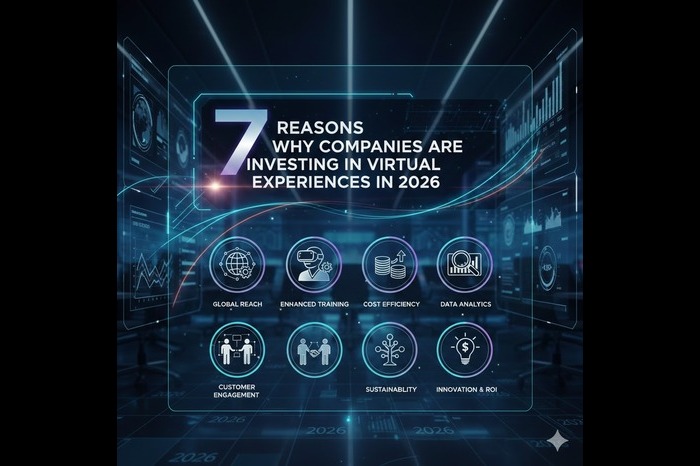
In 2026, businesses are undergoing a significant transformation in their operations. Companies aren’t stuck in physical spaces anymore. They can now engage customers and employees in new ways. Virtual experiences are important. They use immersive tech and the metaverse. These tools drive growth, engagement, and innovation.
But what exactly is driving this shift? Why are companies making significant investments in virtual experiences this year? Here are seven reasons businesses partner with a top metaverse development company to leverage immersive technologies and succeed in the digital world.
1. Enhancing Customer Engagement Through Immersive Experiences
Consumers today expect more than static websites or basic advertisements. They want interactive, engaging, and memorable experiences. Virtual platforms help businesses meet expectations. They create immersive environments. Users can explore, interact, and take part in ways that traditional media can’t match.
Examples of immersive experiences include:
- Virtual showrooms that let customers explore products in 3D
- Interactive events where users can take part in live Q&A or workshops
- Gamified experiences that reward user engagement with digital incentives
A metaverse development company helps businesses build interactive spaces. These spaces look great and work well. They are also easy to grow. Companies can boost engagement by creating virtual environments that foster a sense of community. These spaces mimic real-world interactions. They also improve customer loyalty and satisfaction.
2. Expanding Reach and Access Globally
Virtual experiences cut geographic limitations, allowing companies to reach global audiences without delay. Businesses can host virtual conferences, trade shows, or product launches. These events attract participants from around the world. Plus, they save on costs and logistics compared to physical events.
Benefits of Global Virtual Reach
- Access to international markets without establishing physical locations
- Opportunities for collaboration and networking with global partners
- Increased brand visibility and awareness across regions
A skilled development company creates immersive platforms. These platforms adapt to the needs of global audiences. This gives businesses the tools to connect with users all around the world. This global reach helps startups and businesses grow. They can expand their presence without making significant investments in infrastructure.
3. Reducing Costs and Operational Overheads
Although creating a virtual environment requires upfront investment, the long-term cost savings are significant. Companies can save money on physical spaces, travel, and logistics by moving interactions online, especially when partnering with a top metaverse development company for professional solutions.
Ways virtual experiences reduce costs:
- Conducting virtual training instead of physical workshops
- Hosting virtual product launches or events eliminates venue costs
- Reducing travel and accommodation expenses for employees or partners
Metaverse development companies offer scalable, customizable solutions. They replicate real-life scenarios at a lower cost while maintaining high engagement quality.
4. Facilitating Remote Collaboration and Team Building
In 2026, many organizations embrace hybrid and remote work models on a large scale. Companies seek new methods to maintain team connection and motivation during remote work.
How virtual experiences improve collaboration:
- Virtual offices for team meetings and brainstorming sessions
- Interactive collaboration tools that mimic real-world work environments
- Team-building exercises within immersive virtual spaces
Partnering with a metaverse development company helps businesses create custom virtual workspaces. These spaces help productivity. They also keep team bonds strong, even when employees are far apart.
5. Staying Ahead of Competitors with Innovation
Innovation is critical in 2026. Early adopters of virtual experiences view themselves as forward-thinking and tech-savvy. This gives them a competitive edge.
Ways virtual experiences provide an edge:
- Offering unique customer experiences that competitors cannot replicate
- Positioning the brand as a leader in digital innovation
- Creating new engagement models that appeal to younger, tech-focused audiences
Metaverse development companies help businesses tap into trends. These include VR storefronts, AR marketing, and gamified loyalty programs. Adopting these innovations early can help companies stay ahead of the competition.
6. Creating Personalized and Data-Driven Experiences
Virtual platforms provide a lot of data about how users behave. Companies can use this data to create more personalized experiences. Personalization increases engagement, conversion rates, and customer satisfaction.
Examples of personalization in virtual experiences:
- Product recommendations based on previous interactions
- Tailored virtual events or workshops for specific audience segments
- Adaptive interfaces that respond to user behavior in real-time
Metaverse development companies use analytics and AI for personalization. This helps businesses make smart, data-driven choices. As a result, they can improve user journeys for better results.
7. Preparing for the Future of the Digital Economy
The metaverse and virtual worlds aren’t ideas for the future anymore. They’re now key parts of the digital economy. Companies investing in virtual experiences are set to tap into new revenue streams. These include virtual real estate, digital assets, and NFT-based marketing.
Why early adoption matters:
- Secures a competitive position in virtual markets
- Builds brand presence where future consumers spend their time
- Opens new avenues for monetization and customer engagement
A metaverse development company helps businesses join virtual economies. This way, they can seize early opportunities and stay ahead of competitors.
Key Opportunities and Best Practices in Virtual Experiences
As companies invest more in virtual experiences, they can tap into exciting opportunities. These can boost growth, engagement, and innovation. Taking these chances helps businesses use immersive tech better. It also lets them work well with a top metaverse development company.
Emerging Opportunities for Businesses
Virtual experiences offer new ways to engage customers. They expand reach and create value.
-
Immersive Marketing Campaigns: Businesses can create interactive campaigns. Customers can check out products. They can join fun challenges. They can also try services in a realistic virtual space. These campaigns boost engagement and create memorable brand experiences.
-
Virtual Product Launches: Launching products online helps companies reach people everywhere. It’s easy and requires little effort. It solves logistical problems. Plus, it offers a professional and scalable choice over traditional launches.
-
Digital Commerce in Virtual Worlds: Companies sell digital goods. They also sell real items in virtual markets. This opens new revenue streams and boosts customer access.
-
Remote Training and Development: Employees can access exclusive training in virtual settings. This helps them remember better and perform well.
-
Virtual Events and Networking: Businesses can host conferences. They can also hold trade shows and networking events in fun environments. This allows them to connect with global audiences instantly.
These opportunities are especially valuable in 2026. Consumers and employees want interactive, personalized, and modern digital experiences.
Best Practices for Implementing Virtual Experiences
While the potential is enormous, successful implementation requires careful planning and strategic execution. Businesses can follow these proven practices to ensure success:
-
Focus on User Experience: Make the design easy to use, fun, and accessible on all devices. This helps boost adoption and keeps users coming back.
-
Start Small, Scale Gradually: Start with pilot projects or small virtual experiences. Gather feedback, then grow to full-scale implementations.
-
Link with Current Systems: Virtual platforms need to work well with CRM tools. They should also connect easily with e-commerce and collaboration tools. This helps streamline operations.
-
Use Data and Analytics: Check user behavior, engagement, and conversion rates. This helps you improve the virtual experience over time.
-
Ensure Security and Compliance: Protecting user data is crucial. It’s also important to follow global regulations. This is especially true in immersive environments where personal information can be collected.
Businesses can use these strategies to take advantage of virtual experiences. This way, they can also avoid common mistakes.
Future Trends to Watch
Here are trends that will change virtual experiences. They will also guide how companies invest in the metaverse:
-
AI-Powered Virtual Interactions: Personalized virtual assistants and chatbots help engage users. They also create memorable experiences.
-
Augmented Reality Integration: AR will mix the physical and digital worlds. This lets customers see products before they buy.
-
Virtual Social Commerce: Social interaction in virtual spaces will boost discovery. It will also increase loyalty and revenue.
-
Blockchain and Digital Assets: NFTs and tokenized products will change business. They will transform how we operate. Virtual ownership will also create new models. They will change how we do business. They will also open up new revenue streams.
Knowing these trends helps companies outpace competitors. It allows them to make smart investments and collaborate with leading metaverse developers. This way, they can create solutions that are ready for the future.
Challenges Companies Face in Adopting Virtual Experiences
Virtual experiences provide great opportunities, but companies face challenges in making them work. Knowing these challenges helps businesses plan well. It also helps them work better with a top metaverse development company. This makes execution smoother.
One major challenge is the high upfront investment. To create immersive environments, you need skilled experts. They should focus on VR/AR content and interactive platforms. You also need special software and strong infrastructure. Smaller businesses may find these costs daunting without strategic planning or phased implementation.
Another challenge is technical complexity and integration. Making virtual experiences that work on all devices and platforms can be tough. They also need to fit with different business systems. Companies must check that their virtual solutions work with CRM systems. They should also ensure compatibility with e-commerce platforms and collaboration tools.
Other common challenges include:
-
User adoption: Employees and customers may take time to adapt to virtual interfaces. Proper onboarding and training are essential
-
Content quality: Bad virtual experiences can be boring. They can lower effectiveness and harm brand image.
-
Security and privacy: User data in virtual spaces must follow strict protection rules.
-
Regular updates: Virtual platforms should update often. This keeps users engaged and ensures technology stays current.
Businesses can tackle these challenges by partnering with a metaverse development company. This helps them find solutions quickly and reduce risks.
Impacts and Benefits of Investing in Virtual Experiences
Investing in virtual experiences boosts engagement. It also leads to real benefits for business growth and operations. Here are some key benefits:
- Enhanced Customer Loyalty: Immersive experiences create stronger emotional connections, leading to repeat business.
- Revenue Growth: Virtual showrooms, events, and marketplaces can increase sales directly.
- Companies that adopt advanced technologies establish themselves as leaders in their industry.
- Operational Efficiency: Virtual training, meetings, and events save time and reduce costs.
- Innovation Culture: Teams in virtual environments are more willing to experiment and innovate.
- Global Market Access: Businesses can connect with global audiences. This opens new opportunities to earn profits.
Using virtual solutions wisely helps companies gain short-term benefits and long-term advantages.
Conclusion
In 2026, investing in virtual experiences isn’t a choice. It’s a must for strategy. Companies are using immersive technologies. This boosts customer engagement, reduces costs, and facilitates easier remote collaboration. It also helps them stay ahead of competitors.
You can personalize interactions using data and explore new digital economies. The benefits are huge. Partnering with a metaverse development company helps businesses use these tools. This support sets them up for growth. It also encourages innovation in a changing digital world.
Businesses that act now will gain quick benefits. They will also build a strong future in virtual commerce, collaboration, and engagement.






















Leave a Reply