

Key Takeaways
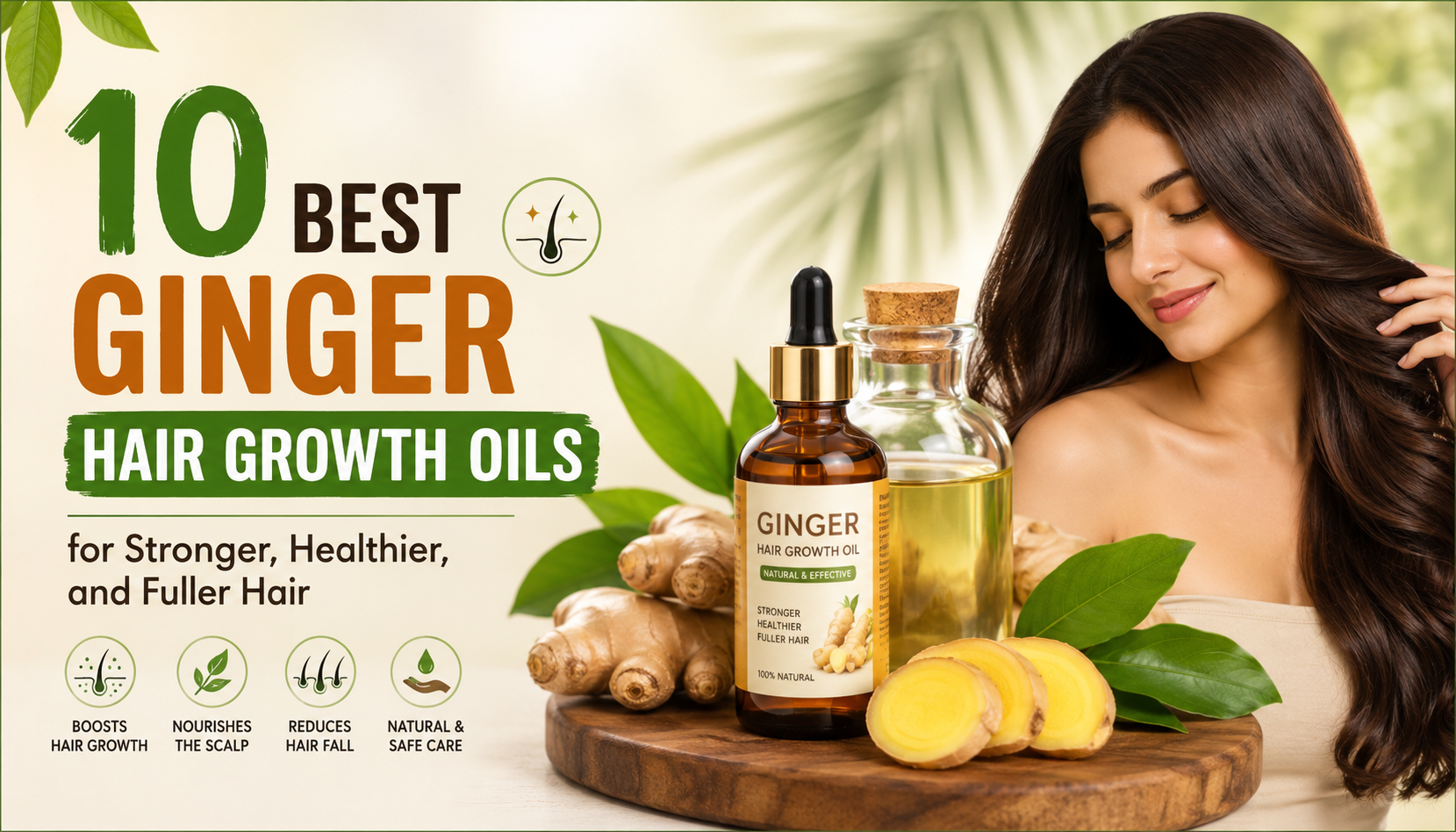
- Ginger based oil can support comfort, smoother strands, and fuller looking hair.
- A strong formula blends ginger with oils, vitamins, and herbs that nourish dry hair and weak roots.
- The best choice depends on scalp type, hair texture, hair fall level, and how often the hair is washed.
- Safe use matters. A patch test, light massage, and gentle washing help lower irritation.
- Healthy hair growth needs patience because scalp health, food, sleep, stress, and styling all matter.
- Natural formulas fit clean beauty routines when labels are clear and the texture suits the scalp.
Introduction
Hair fall can feel upsetting when strands appear on pillows, combs, towels, and shower drains. Many people look for a simple oil that can support the scalp, soften dry ends, and help hair look fuller over time.
That is why ginger hair growth oil has become a popular choice for people who prefer plant based care. This guide explains how ginger oil for hair may support stronger roots, smoother strands, and a cleaner scalp routine.
It also explains how to choose a hair growth oil, what makes an anti hair fall oil useful, and which ingredients matter most. The reader will find clear tips about natural hair growth oil, scalp nourishing oil, hair strengthening oil, hair nourishment oil, and safe daily care.
Why Ginger Hair Growth Oil Is Popular for Hair Care
Ginger has been used in home care and wellness routines for many years. In hair care, it is valued for its warm feel, fresh scent, and easy match with many plant oils. A ginger based hair care oil can make scalp massage feel cleaner and more active.
Healthy hair begins at the scalp. The scalp is skin, so it needs care like other skin. When it is too dry, too oily, itchy, or covered with buildup, hair may look flat and weak. A scalp nourishing oil helps create a better place for normal hair growth.
A good hair growth oil does not work like magic. It cannot fix every cause of hair loss. However, it may support a routine that protects the hair shaft, lowers breakage, and keeps roots in better condition. This is why many people search for anti hair fall ginger hair oil when hair starts looking thin.
Ginger oil for hair growth and thickness is often mixed with carrier oils. Coconut, castor, jojoba, almond, and argan oils help spread ginger across the scalp while adding slip, shine, and softness.
Hair fall can happen for many reasons. Stress, tight hairstyles, harsh shampoo, heat styling, poor food habits, scalp buildup, hormones, illness, and seasonal shedding may all play a role. A hair fall treatment oil may help with dryness and breakage, but sudden or heavy hair loss needs professional care.
Moreover, oil massage can make hair care feel calm instead of rushed. For example, dry curls may use richer oil, while fine hair may need a lighter ginger scalp oil.
How ginger supports the scalp
Ginger has natural compounds that give it a sharp smell and warming feel. In hair products, ginger extract or ginger essential oil is normally used in small amounts and should not burn or sting.
A comfortable scalp is easier to care for. When a person scratches less, washes gently, and avoids pulling, the hair has less chance of breaking. This matters because breakage is often confused with hair fall. Breakage happens along the strand, while hair fall usually comes from the root.
A hair strengthening oil can coat the strand and reduce friction during combing. This can help long hair, curly hair, textured hair, and color treated hair. Ginger may be the main ingredient, but the full blend decides how the oil feels.
Castor oil may suit dry or thinning hair. Jojoba oil may suit oily scalps. Coconut oil can smooth some hair types, while rosemary, peppermint, amla, fenugreek, and onion seed often appear in herbal hair oil blends.
The best ginger hair growth oil should match the person, not only the trend. A rich blend may be great for a dry scalp but too heavy for an oily scalp. A strong scent may feel fresh to one person but too much for someone sensitive to smells.
The 10 best ginger based oil types for fuller hair
The word best does not always mean one bottle. It often means the best match for a clear hair need. These ten ginger based oil types help shoppers compare formulas in a simple way.
- Pure ginger infused carrier oil for people who want a short ingredient list.
- Ginger and castor hair thickening oil for weak edges and dry strands.
- Ginger and rosemary hair regrowth oil for herbal scalp care.
- Ginger and jojoba scalp nourishing oil for oily or fine hair.
- Ginger and coconut hair repair oil for dry lengths before shampoo.
- Ginger and argan hair nourishment oil for shine and frizz control.
- Ginger and amla herbal hair oil for brittle hair that needs support.
- Ginger and fenugreek anti hair fall oil for regular root care.
- Ginger and peppermint scalp oil for a fresh wash day feel.
- Ginger and vitamin E healthy hair growth oil for dry scalp comfort.
Each type has a different texture and purpose. A ginger and castor blend may work well as a weekly pre wash oil because it is rich. A ginger and jojoba blend may work better for a short massage because it rinses faster.
How to Choose the Best Ginger Hair Growth Oil
Choosing the right oil starts with the scalp. The scalp gives helpful clues. If it feels dry and flaky, it may need a softer, richer oil. If it gets greasy fast, it may need a lighter oil. If it feels sore, tight, or itchy, it may need a mild formula with fewer strong essential oils.
The label is the next clue. A good natural ginger hair growth oil should list the key ingredients clearly. If plant oils appear early, the blend may feel more nourishing than a formula led by heavy fillers.
A clear label also helps people avoid ingredients that may bother the scalp, such as strong fragrance, dyes, or many essential oils. A patch test behind the ear or on the inner arm can lower the risk.
Texture matters too. Fine hair often needs a light hair care oil that rinses easily. Thick, curly, coily, or dry hair may handle richer oils.
The applicator can make a difference. A narrow nozzle helps place oil near the roots, reduces waste, and keeps the hair from becoming too greasy.
The scent should feel comfortable. Ginger has a spicy smell, and many brands mix it with herbs or essential oils. However, a very strong smell can cause headaches for some people.
Price and size should be judged together. Good value comes from a useful amount, quality carrier oils, balanced plant extracts, and a clean ingredient list.
Simple checks before buying any hair care oil
A careful buyer can use a simple checklist before choosing an anti hair fall oil. This helps avoid rushed choices based only on bold claims.
- The formula should match the scalp type.
- The ingredient list should be easy to understand.
- The product should explain how often it can be used.
- The texture should suit hair length and density.
- The oil should not promise overnight growth.
- The packaging should make scalp application simple.
- The scent should be pleasant and not too strong.
Claims need careful reading. Words like miracle, instant, and permanent can be warning signs. An honest product supports healthy hair growth, scalp care, and less breakage instead of promising sudden change.
Reviews can help, but they should be read with balance. A review from someone with the same hair type is often more useful than a review from someone with very different hair.
Related hair care guides can also support better choices. Helpful internal resources include Essential Oils for Hair Growth That Actually Work, Clean Beauty Products for Sensitive Skin Guide, and Best Anti Acne Serum for Clearer, Healthier Skin.
Matching the oil to hair needs
Different hair needs call for different oil habits. A person with dry ends may apply oil mainly from the middle to the tips. A person with scalp buildup may use a small amount on the roots before shampoo. A person with weak hairline areas may massage carefully and avoid tight styles.
For thinning hair, gentle handling is very important. Strong rubbing can cause more shedding. A soft finger massage for three to five minutes is often enough. Nails should not scrape the scalp. The goal is comfort, not force.
For curly or coily hair, oil may help seal moisture after a leave in product. This is different from using oil on a dry scalp before shampoo. The same bottle can serve more than one role, but the amount should change.
For oily hair, less is usually better. A few drops on the scalp before washing may be enough. Leaving heavy oil on the scalp for many days can trap dirt and make hair feel flat.
For damaged hair, oil can improve feel and shine, but it cannot glue split ends back together. Hair repair oil may reduce roughness and help strands look smoother. However, trimming split ends and lowering heat use still matter.
Benefits of Using Ginger Oil for Hair Growth and Hair Strength
The main benefit of ginger oil for hair is support. It supports the scalp, the roots, and the strands when used correctly. It is best viewed as one helpful part of a full routine, not the only answer to every hair problem.
One benefit is scalp nourishment. A scalp nourishing oil can soften dry skin and make massage easier. This may help people who feel tightness after shampoo or dryness during cold weather. A softer scalp often feels less uncomfortable.
Another benefit is reduced breakage. Oils can coat the hair shaft and lower friction. When hair slides more easily during combing, fewer strands may snap. This is useful for hair that tangles, frizzes, or feels rough after washing.
A third benefit is shine. A hair nourishment oil can smooth the outer layer of dry strands and make hair look brighter. This change can appear faster than growth because it affects hair already on the head.
A fourth benefit is routine building. Hair goals need steady care. A weekly oil massage can become a simple reminder to protect hair from harsh habits. In addition, it can make wash day feel calmer and more organized.
A fifth benefit is root care. An anti hair fall oil may help reduce hair fall linked to dryness, rough combing, or breakage. It may not stop hair fall caused by medical issues, low iron, thyroid problems, or major stress.
Ginger oil for hair growth and thickness may also pair well with other habits. These include using mild shampoo, avoiding tight ponytails, drying hair gently, eating protein rich foods, and sleeping on smooth fabric. Hair growth is a team effort, and each habit plays a small part.
Daily and weekly care examples
A weekly routine may be simple. A person with normal hair can apply oil before shampoo, massage gently, leave it for thirty to sixty minutes, and wash with a mild cleanser.
A dry hair routine may use more oil on the lengths. The scalp may receive a small amount, while the ends receive a little extra. After washing, a tiny drop may be smoothed over the ends to reduce frizz.
A thinning hair routine should stay gentle. The oil can be placed through scalp parts with a nozzle. Then the fingertips can press in small circles. Pulling, twisting, and tight wrapping should be avoided because weak roots need kindness.
A sensitive scalp routine should start slowly. If burning, redness, bumps, or strong itching happens, the product should be washed out and stopped.
Safe use and patch testing
Natural does not always mean safe for every person. Ginger, peppermint, rosemary, and other strong plant extracts can bother sensitive skin. This is why a patch test matters.
A patch test is easy. A small amount of oil is placed on a small skin area. The area is watched for a day. If redness, swelling, burning, or itching appears, that product may not suit the person.
Oil should also stay away from the eyes. If oil enters the eyes, it should be rinsed with clean water. If pain stays, medical help is needed.
Too much oil can cause problems. A thick layer can trap sweat and dirt. It can also make shampooing harder. Using more oil does not mean faster growth. A light, even layer is usually better.
Key Ingredients to Look for in an Anti Hair Fall Oil
A strong anti hair fall oil is more than one trendy ingredient. The whole blend should support the scalp and protect the strands. Ginger can be the main plant extract, but carrier oils and helper ingredients decide comfort, texture, and shine.
Castor oil is often used in hair thickening oil because it is rich and heavy. However, it may need mixing with lighter oils so it spreads and rinses more easily.
Jojoba oil is close in feel to the natural oil on skin. It is often liked by people with oily or balanced scalps. It can give moisture without a very greasy finish.
Coconut oil is common in hair repair oil because it can make dry hair feel smoother. However, it can feel heavy on some hair types, so small amounts are best at first.
Argan oil is known for shine and softness. A ginger and argan blend may suit hair that looks dull after heat styling or color.
Almond oil is smooth and mild. It may suit dry lengths, rough ends, and massage.
Vitamin E is often added to support oil freshness and scalp comfort. It can help dry areas feel softer.
Herbs like amla, fenugreek, rosemary, hibiscus, and bhringraj may appear in herbal ginger oil for hair growth. These plant extracts can add scalp and strand support when balanced well.
Oils and plant extracts that pair well with ginger
Ginger and rosemary is a popular pair for a fresh scalp routine. Rosemary has a strong herbal scent and is often used in natural hair growth oil. It should be used in safe amounts because essential oils can be powerful.
Ginger and peppermint can feel fresh and cooling. This blend may suit people who enjoy a clean scalp feeling before shampoo. However, peppermint can be too strong for sensitive scalps.
Ginger and castor oil can feel rich. This type may be useful for weak hair, dry edges, and thick textures. Because castor oil is heavy, it may work best as a pre wash treatment.
Ginger and jojoba oil can feel light. This pair may suit fine hair or oily scalps. It is also easier to spread through roots without leaving too much weight.
Ginger and coconut oil can support dry strands before washing. In humid weather, a small amount is usually enough.
Ginger and amla can fit traditional herbal hair oil routines. Together, the blend may support hair that looks tired or dull.
Clean beauty and sensitive scalp notes
Clean beauty means different things to different brands, but the main idea is simple. People want products with clear labels, thoughtful ingredients, and fewer unnecessary extras. A clean looking formula should still be checked for personal comfort.
Sensitive scalps often prefer simple formulas. Fewer fragrance ingredients may lower the chance of irritation. A gentle natural hair growth oil may be better than a very strong blend with many essential oils.
People with eczema, psoriasis, or scalp allergies need extra care. A doctor or skin specialist can help explain what is safe. Oil may feel soothing for dryness, but it can also worsen some scalp problems if the wrong formula is used.
Storage also matters. Plant oils should be kept away from strong heat and sunlight. A bottle that smells sour, old, or strange should not be used. Fresh oil gives a better experience and lowers the risk of scalp discomfort.
What Makes a Hair Growth Oil Effective for Nourishing Hair
An effective hair growth oil works because of balance. It should nourish the scalp, protect the strands, feel good, and fit into real life.
First, the oil should support the scalp. Healthy looking hair needs a scalp that is clean, comfortable, and not overloaded. A scalp nourishing oil should spread easily and wash out without leaving a sticky film.
Second, the oil should protect the hair shaft. Hair can become weak from brushing, heat, sun, dye, bleach, and rough towels. A hair strengthening oil can reduce friction and help strands feel smoother.
Third, the oil should include a safe amount of active plant extracts. Ginger, rosemary, peppermint, and other extracts can be useful, but stronger is not always better. A gentle dose used often may be better than a harsh dose used once.
Fourth, the routine should be realistic. Daily washing may need a light pre wash oil. Weekly washing may suit a richer treatment.
Fifth, results should be judged fairly. Many people notice softness and shine first. Fuller looking hair may take longer because growth happens slowly from the root.
A simple routine for stronger results
A simple routine can make oil care more effective. The scalp should be parted in small sections. A small amount of oil can be placed along each part. Then the fingertips can massage gently.
The oil can stay on the scalp for thirty minutes to two hours. Some people leave oil overnight, but that is not needed for everyone. Overnight oiling may bother oily or acne prone skin if oil touches the forehead, neck, or pillow.
After oiling, shampoo should clean the scalp without rough scrubbing. Two gentle washes may work better than one harsh wash. Conditioner can be placed on the lengths, not the scalp, unless the product says otherwise.
Drying also matters. Hair is weaker when wet. A soft towel or cotton shirt can press out water without rubbing. Wide tooth combs can reduce pulling.
Mistakes that make oil care less effective
One common mistake is using too much oil. More oil can make hair hard to wash and may leave buildup. A small amount used well is often better.
Another mistake is rough massage. Strong rubbing may loosen already shedding hairs and break weak strands. Gentle circles are enough.
A third mistake is applying oil to a dirty scalp for too long. A short pre wash routine may be cleaner and more comfortable.
A fourth mistake is changing products every few days. Hair care needs time. Testing one oil for several weeks gives a clearer picture than switching too fast.
A fifth mistake is ignoring lifestyle. Hair needs protein, iron, zinc, sleep, and stress control. A hair regrowth oil cannot replace health basics. For example, a person with skipped meals and poor sleep may not see the best results from any product.
FAQs
What is ginger hair growth oil and how does it work
Ginger based hair oil is a hair care oil made with ginger extract, ginger essential oil, or ginger infused oil. It is usually mixed with carrier oils like coconut, castor, jojoba, almond, or argan oil.
It works by supporting scalp care and making massage easier. The oil can soften dry skin, improve the feel of strands, and reduce breakage caused by rough combing. It does not force hair to grow overnight.
A good formula supports healthy hair growth by helping the scalp feel comfortable and protecting the hair shaft.
Can ginger oil help reduce hair fall
Ginger oil for hair may help reduce hair fall linked to dryness, tangles, and breakage. When strands are softer and easier to comb, fewer hairs may snap.
However, hair fall can come from many causes. Stress, illness, low nutrients, hormones, childbirth, harsh styles, and scalp problems can all affect shedding. If hair fall is sudden, heavy, patchy, or painful, a professional check is important.
An anti hair fall oil is most useful when the main problem is weak hair, dry scalp, or rough handling. It should be seen as support, not a medical cure.
How often should ginger hair growth oil be used
Most people use ginger oil one to three times each week. The best schedule depends on scalp type, hair texture, and wash routine.
Dry hair may enjoy weekly or twice weekly oiling. Oily hair may need one light pre wash treatment each week.
Using oil every day is not needed for every person. Daily use can make hair greasy and may cause buildup. Ginger hair oil for daily hair care should be very light and used in tiny amounts if daily use is desired.
Is ginger hair growth oil suitable for all hair types
Ginger oil can suit many hair types when the formula and amount are right. Straight, wavy, curly, and coily hair can all use oil, but not in the same way.
Fine hair usually needs lighter oil and shorter contact time. Thick or dry hair may handle richer oil. Color treated hair may benefit from shine and softness, but harsh formulas should still be avoided.
Sensitive scalps need special care. A patch test is important, especially when the oil contains strong essential oils or fragrance.
What are the benefits of using a natural hair growth oil
A natural hair growth oil can support scalp comfort, strand softness, shine, and less breakage. It can also make hair care feel more calming and regular.
Plant based oils may help dry ends look smoother and healthier. They can also protect hair from friction during combing and styling.
The best results come from steady use and gentle habits. A natural formula works best when paired with clean washing, safe styling, good food, and enough rest.
Conclusion
Ginger based hair oil has earned attention because it brings together scalp care, plant based ingredients, and a simple routine. It can fit many hair goals, from less breakage to softer ends and fuller looking strands. However, the best results come from clear expectations.
A good formula should do more than smell spicy. It should contain helpful carrier oils, balanced plant extracts, and a texture that matches the scalp. The best ginger hair growth oil may be rich for one person and light for another. Hair type, scalp comfort, and wash routine all matter.
The ten oil types in this guide show how different blends serve different needs. Ginger with castor may suit dry or weak hair. Ginger with jojoba may suit oily scalps. Ginger with argan may support shine. Ginger with rosemary, amla, fenugreek, or vitamin E may add extra herbal care.
Consistency is the quiet secret. One gentle oil massage each week can support better habits. Over time, the hair may feel easier to comb, softer to touch, and less rough at the ends. These changes may seem small, but they can help hair look healthier.
Safety should stay first. A patch test, gentle massage, and light amount can protect the scalp from irritation. If hair fall is severe, sudden, or linked with pain, medical advice is the wise step. A hair fall treatment oil can support care, but it should not replace expert help when signs are serious.
Ginger oil for hair works best as part of a full routine. Mild shampoo, conditioner, less heat, loose hairstyles, balanced meals, and good sleep all support healthy hair growth. No single bottle can do everything alone.
For anyone building a clean, simple, and steady hair care routine, ginger based oil can be a useful choice. It gives the scalp attention, helps dry strands feel softer, and supports habits that protect hair from daily stress. Brands such as Velmora Glow can help shoppers explore natural beauty care with a focus on hair and scalp nourishment.



















Leave a Reply