

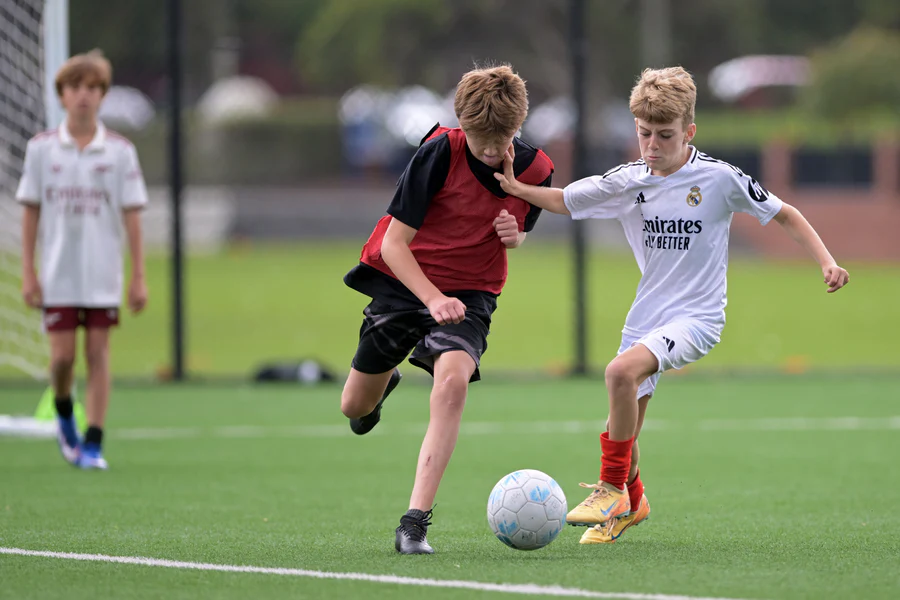
Finding the right sports academy for children is an important decision for parents. Soccer is one of the most popular youth sports in Australia, offering children the opportunity to stay active, build confidence, and develop valuable life skills. A quality children’s soccer academy goes beyond teaching basic techniques, it creates an environment where young players can learn, grow, and enjoy the game.
For families searching for kids soccer Sydney, choosing an academy that combines professional coaching with a supportive atmosphere can make a significant difference in a child’s development. The best soccer programs focus on nurturing talent while ensuring every child enjoys their soccer journey.
Building Confidence Through Soccer by Super Best Friends
One of the greatest benefits of participating in kids soccer Sydney academy is the confidence children gain through achievement and teamwork. Learning new skills, overcoming challenges, and celebrating progress help young players develop self-belief.
Positive coaching environments encourage children to:
- Take on new challenges
- Learn from mistakes
- Support teammates
- Develop resilience
- Build leadership qualities
These valuable life skills often extend beyond the soccer field and contribute to success in school and everyday life.
Why Coaching Matters in Youth Soccer
Professional coaching plays a vital role in helping children develop both their soccer abilities and personal confidence. Skilled coaches understand how to work with young players at different ages and skill levels, creating training sessions that are engaging, educational, and enjoyable.
Effective soccer coaching helps children:
- Learn proper soccer techniques
- Improve ball control and coordination
- Build confidence on and off the field
- Develop teamwork and communication skills
- Stay motivated through positive encouragement
- Foster a lifelong love for sports and physical activity
A dedicated kids soccer academy, like super best friends, focuses on creating a positive learning experience where every player feels valued and supported.
Developing Essential Soccer Skills
A structured training program helps children build strong foundations in soccer. Rather than focusing solely on competition, quality academies emphasize skill development that supports long-term growth.
Technical Skills
Young players learn essential soccer techniques such as:
- Dribbling and ball control
- Passing accuracy
- Shooting techniques
- First touch development
- Defensive positioning
- Game awareness
These fundamental skills help children become more confident and capable players as they progress.
Physical Development
Soccer naturally promotes physical fitness while helping children improve:
- Agility
- Balance
- Coordination
- Speed
- Endurance
- Overall athletic ability
Regular training sessions encourage healthy lifestyles and support physical development during important growing years.
Creating a Fun and Inclusive Environment
Children perform their best when they enjoy what they are doing. A dedicated soccer academy understands the importance of making training sessions fun while maintaining a structured learning environment.
Inclusive soccer programs welcome players of all experience levels, from complete beginners to more advanced athletes. Coaches ensure every child has the opportunity to participate, improve, and feel part of the team.
Parents often look for programs that provide:
- Safe training environments
- Friendly and encouraging coaches
- Age-appropriate learning activities
- Equal opportunities for participation
- Positive team culture
These factors help children stay engaged and motivated throughout their soccer journey.
The Importance of Teamwork and Social Development
Soccer is more than an individual sport. It teaches children how to work together toward common goals while building meaningful friendships.
Through regular training and team activities, young players learn:
- Communication skills
- Cooperation and teamwork
- Respect for others
- Sportsmanship
- Responsibility and discipline
Strong social connections often become one of the most rewarding aspects of participating in youth soccer programs.
Choosing the Right Kids Soccer Program in Sydney
With many options available, parents should consider several factors when selecting a soccer academy for their child.
Look for programs that offer:
- Qualified and experienced coaches
- Structured skill-development pathways
- Safe and supportive environments
- Small group learning opportunities
- Focus on both fun and development
- Positive community culture
A well-rounded soccer academy like super best friends, helps children develop technical abilities while fostering confidence, friendships, and a love for the game.
Why Soccer is a Great Choice for Children
Soccer continues to be one of the most popular youth sports because it combines physical activity, social interaction, and personal development. Children benefit from regular exercise while learning valuable life skills that can support their growth for years to come.
Families searching for kids soccer Sydney often find that a dedicated soccer academy provides the ideal balance of professional coaching, skill development, and enjoyable experiences that keep children engaged and excited to learn.
Conclusion
A children’s soccer academy dedicated to coaching and skills provides much more than athletic training. It creates opportunities for children to build confidence, develop friendships, improve physical fitness, and learn valuable life lessons through sport.
Whether a child is taking their first steps onto the soccer field or looking to further develop their abilities, the right academy can provide the support, guidance, and encouragement needed to help them succeed. With experienced coaches, structured training programs, and a focus on personal growth, young players can enjoy a rewarding soccer experience while developing skills that last a lifetime.
Frequently Asked Questions
Q1. What age can children start soccer training?
Most soccer academies offer programs for children as young as three or four years old, with age-appropriate activities designed to develop basic motor and soccer skills.
Q2. Do children need prior soccer experience?
No. Many soccer academies welcome beginners and provide coaching tailored to all skill levels.
Q3. How often should children attend soccer training?
Most children benefit from attending one to two training sessions per week, depending on their age and development goals.
Q4. What skills do children learn through soccer?
Children develop technical soccer skills, physical fitness, teamwork, communication, confidence, and problem-solving abilities.
Q5. Why is soccer beneficial for children’s development?
Soccer promotes physical health, social interaction, emotional growth, discipline, and confidence while encouraging children to stay active and engaged.
















Leave a Reply