

Introduction
Walk into any kitchen around the Mediterranean and you’ll find a bottle of golden-green oil sitting within arm’s reach of the stove. Extra virgin olive oil isn’t just a cooking staple there — it’s practically a member of the family, poured over bread, drizzled on vegetables, and used as the base for nearly everything.
But not every bottle labeled “extra virgin” lives up to the name, and knowing what actually makes a good one can save you from wasting money on something that’s barely better than a bland vegetable oil. Here’s what this oil actually does for your body, how people use it day to day, and what to look for the next time you’re standing in front of a shelf full of options.
What Makes Olive Oil “Extra Virgin”
Not all olive oil is created equal, and the “extra virgin” label actually means something specific — it’s the highest, least processed grade you can buy. To earn that title, the oil has to be extracted purely through mechanical pressing, with no heat and no chemical solvents involved, and it has to meet strict acidity limits set by international olive oil standards, like those maintained by the International Olive Council.
This matters because the extraction method changes everything about what ends up in the bottle. Oils that go through industrial refining — using high heat and solvents such as hexane — lose much of their natural character along the way. What’s left is a neutral, pale liquid stripped of the antioxidants, vitamin E, and polyphenols that made the original fruit worth pressing in the first place.
A true cold-pressed extra virgin oil, kept below roughly 27°C during extraction, retains those compounds and carries a noticeably richer flavor and aroma. Refined oils have their place in high-heat frying where taste isn’t the point, but they simply can’t compete nutritionally.
The Health Benefits Behind the Hype
People don’t rave about this oil just because it tastes good. There’s a real body of research behind it, and a lot of that research traces back to populations that eat it daily as their main source of fat.
Extra virgin olive oil is rich in monounsaturated fats, which support cardiovascular health, along with polyphenols and vitamin E that act as antioxidants inside your body. Together, these compounds help lower chronic inflammation and oxidative stress — two processes tied closely to aging and to conditions like heart disease and metabolic decline. Quality matters here too: oils considered genuinely rich in polyphenols should contain at least 250mg per kilogram, and some premium producers report levels well above that when the olives are freshly harvested and pressed quickly.
Heart health tends to get the most attention, and for good reason. Regular consumption has been linked to healthier cholesterol balance, better arterial function, and protection against oxidative damage to blood vessels — all of which lower the risk of heart attacks and strokes over time. One compound worth knowing about is oleocanthal, a polyphenol found in high-quality extra virgin oils that has natural anti-inflammatory properties similar to ibuprofen, though obviously much milder. Chronic inflammation is a common thread running through arthritis, diabetes, and even neurodegenerative disease, so anything that helps moderate it long-term is worth paying attention to.
There’s also growing interest in what this oil might do for the brain. Some research suggests the same antioxidant and anti-inflammatory activity that protects the heart may help protect brain cells too, potentially supporting memory and lowering the risk of age-related cognitive decline. It’s not a miracle cure, and nobody should treat it that way, but as part of a broader pattern — the kind seen in the Mediterranean diet — it earns its reputation honestly. What’s nice about it, honestly, is that it’s not a pill you have to remember to take. It’s just food you’d be eating anyway.
How People Actually Use It in the Kitchen
This isn’t an oil you save for special occasions — it earns its keep through daily use. A generous drizzle over roasted vegetables, a finishing touch on soups, a dip for crusty bread with a splash of balsamic vinegar alongside it — these are the small habits that add up. Because a cold-pressed oil carries so much natural flavor, it works best in situations where you actually want to taste it: salad dressings, dips, marinades, or simply spooned over a finished dish right before serving.
That said, it’s not just for cold applications. Contrary to a common myth, good extra virgin olive oil holds up reasonably well at moderate cooking temperatures — sautéing vegetables, gently cooking eggs, or light pan-searing are all fine. Where it starts to lose ground is very high-heat frying, where a more neutral, refined oil is often the more practical (if less flavorful) choice. Many home cooks keep two bottles for exactly this reason: one everyday cooking oil, and one “finishing” bottle reserved for the moments when flavor matters most.
Salad dressings deserve a special mention here, mostly because so many store-bought versions cut corners. A lot of commercial vinaigrettes are assumed to be mostly oil-based, but many actually contain very little real olive oil at all, relying instead on cheaper filler oils and emulsifiers to bulk things out. Making your own with real extra virgin oil, a splash of good vinegar, and a bit of mustard takes about two minutes and tastes dramatically better.
How to Choose a Good Bottle
Here’s where things get a little tricky, because the olive oil aisle is full of bottles that technically qualify as “extra virgin” but taste like almost nothing. A few practical checks go a long way.
Start with the harvest date, not just the “best by” date. Olive oil doesn’t age like wine — it degrades over time, so fresher is genuinely better. Look for oil from the most recent harvest season whenever the label provides one. Packaging matters too: light and heat break down the beneficial compounds inside, so oil sold in dark glass bottles or tins holds up better on your shelf than oil in clear glass sitting under store lighting.
Origin and single-varietal labeling can also be a useful clue, though not a guarantee. Oils made from specific olive varieties — Picuda, Arbequina, Koroneiki, and others — tend to have more traceable quality control than generic blends from unspecified sources. A peppery, slightly bitter finish when you taste it straight is actually a good sign; it usually points to higher polyphenol content, not a flaw. If a bottle tastes completely flat and neutral, it’s probably been sitting around too long or was never that fresh to begin with.
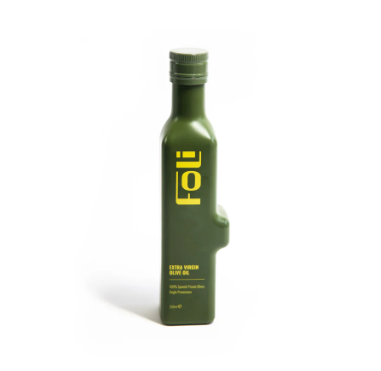
If you’d rather skip the guesswork, brands like FOLI focus specifically on polyphenol-rich, cold-pressed extra virgin oils sourced from single-origin olive groves, which takes some of the detective work out of the shopping process.
FAQs
Is extra virgin olive oil healthier than regular olive oil?
Yes, generally. “Regular” or “light” olive oil is a blend of refined and virgin oils, meaning it’s lost much of the polyphenol content that gives extra virgin oil its health benefits.
Can I cook with extra virgin olive oil at high heat?
It handles moderate heat well, but very high-temperature frying can degrade its flavor compounds faster than a neutral refined oil. Save it for light-to-medium cooking or finishing dishes.
How long does an opened bottle stay fresh?
Most opened bottles are best used within a few months, stored in a cool, dark place away from direct sunlight and heat.
Does a bitter or peppery taste mean the oil has gone bad?
No — that sensation, often felt at the back of the throat, actually signals higher polyphenol content and is considered a mark of quality, not spoilage.
Final Thoughts
Good extra virgin olive oil isn’t complicated, but it does reward a bit of attention. Check the harvest date, look for dark packaging, and don’t be afraid of a peppery bite when you taste it neat. Used generously and regularly — in dressings, over vegetables, drizzled onto whatever you’re eating that day — it’s one of the simplest upgrades you can make to how you cook and, over time, quite possibly to how you feel.






















Leave a Reply