

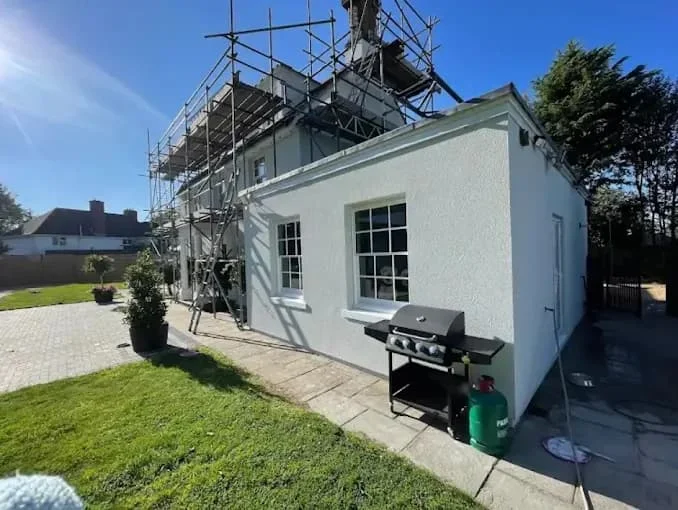
Stucco is one of the most popular exterior finishes for homes in Philadelphia. It offers a clean look, long-lasting durability, and reliable protection against changing weather. However, many homeowners ask an important question before starting a project: When is the best time for stucco installation in Philadelphia?
The timing of a stucco project can affect the quality of the installation, how well the material cures, and the long-term performance of your home’s exterior. While experienced professionals can install stucco during much of the year, certain seasons provide better weather conditions that help achieve the best results.
This guide explains the ideal time for stucco installation, how Philadelphia’s climate affects the process, and what homeowners should know before planning a project.
Why Does Timing Matter for Stucco Installation?
Stucco is applied as a wet material that needs time to cure properly. During the curing process, the mixture gains strength and bonds to the wall system. Weather conditions such as temperature, rain, humidity, and strong winds can influence this process.
Choosing the right season helps ensure:
Proper curing
Better bonding
Reduced risk of moisture problems
A smoother finish
Longer-lasting performance
Although professional installers can work in different seasons, favorable weather often leads to the best results.
Understanding Philadelphia’s Climate
Philadelphia experiences all four seasons.
Throughout the year, homeowners may experience:
Warm and humid summers
Cold winters with freezing temperatures
Rain during spring and fall
Snow and ice during winter
These changing conditions make it important to plan stucco installation carefully.
Professional contractors monitor weather forecasts before beginning any project to avoid extreme conditions that could affect the finished surface.
Spring Is One of the Best Times for Stucco Installation
Spring is often considered an excellent season for exterior projects.
During spring, temperatures are usually moderate, allowing stucco to cure at a steady pace. Days are longer, making it easier for contractors to complete work efficiently.
Benefits of Spring Installation
Comfortable temperatures
Moderate humidity
Longer working hours
Ideal curing conditions
Opportunity to complete projects before summer
Scheduling early in the spring may also help homeowners avoid busy construction seasons later in the year.
Summer Can Also Be a Good Choice
Many homeowners choose summer for exterior renovations because the weather is generally dry.
Warm temperatures allow stucco to cure well, but installers must pay close attention during periods of extreme heat.
If temperatures become very high, the stucco may dry too quickly, which can affect its strength. Professional installers manage this by adjusting work schedules and using proper curing methods.
Summer Advantages
Longer daylight hours
Less chance of rain
Faster project completion
Easier scheduling for homeowners
Proper moisture control remains important during hot weather.
Fall Offers Excellent Installation Conditions
Many contractors consider early fall one of the best seasons for stucco installation.
Temperatures are generally mild, and excessive summer heat has passed. These conditions often create an ideal environment for curing.
Benefits of Fall
Mild daytime temperatures
Lower humidity
Comfortable working conditions
Stable weather patterns
Strong curing performance
Many homeowners choose fall to prepare their homes before winter arrives.
Winter Installation Can Be More Challenging
Winter projects require additional planning.
Freezing temperatures can slow or interrupt the curing process. Snow, ice, and frozen surfaces may delay installation.
Professional contractors may postpone work if temperatures fall below recommended levels.
Winter installation may still be possible during warmer periods, but weather conditions must be carefully monitored.
How Temperature Affects Stucco
Temperature plays an important role in every installation.
If temperatures are too low:
Curing slows down.
Moisture may freeze.
Bonding becomes weaker.
If temperatures are too high:
Water evaporates too quickly.
Surface cracks may develop.
Proper curing becomes more difficult.
Moderate temperatures generally provide the best environment for successful installation.
Rain Can Delay Installation
Rain is another factor that affects exterior work.
Fresh stucco should not be exposed to heavy rain before it has had enough time to cure.
Excess moisture may:
Wash away surface material
Cause uneven finishes
Delay curing
Increase project timelines
Professional installers monitor forecasts carefully and adjust schedules when needed.
Humidity Also Matters
Humidity influences how quickly moisture leaves the stucco.
Very dry conditions can cause rapid drying.
Very humid conditions may slow the curing process.
Balanced humidity helps create consistent results.
Experienced professionals understand how to adjust installation methods based on current weather conditions.
Planning Ahead Is Important
Stucco installation is a major investment.
Planning several weeks in advance provides many advantages.
You can:
Schedule your preferred contractor
Choose the best weather window
Allow time for inspections
Prepare your property
Avoid seasonal delays
Planning early also reduces stress during the project.
Signs Your Home Is Ready for Stucco Installation
You may consider installing new stucco if your home has:
Old or damaged siding
Visible exterior wear
Surface cracks
Faded exterior walls
Water damage
An outdated appearance
A professional inspection can determine whether new installation is the right solution.
Choosing the Right Contractor
Selecting an experienced contractor is just as important as choosing the right season.
Before hiring a company, ask about:
Previous stucco projects
Installation methods
Warranty options
Material quality
Estimated project timeline
Moisture management techniques
Professional experience helps reduce future maintenance problems.
Many homeowners researching Stucco and Remediation in Philadelphia also compare contractors who understand local weather and building conditions before making their final decision.
Why Professional Installation Matters
Proper installation involves much more than applying stucco to a wall.
Professionals carefully complete every step, including:
Surface preparation
Moisture barrier installation
Reinforcement
Multiple stucco layers
Proper curing
Final finishing
Each stage contributes to the strength and appearance of the finished exterior.
Working with experienced Exterior stucco contractors in Philadelphia helps ensure the project follows industry standards and delivers long-lasting results.
Tips for Homeowners Before Installation
You can help your project run smoothly by preparing in advance.
Helpful tips include:
Clear the work area around your home.
Move outdoor furniture if needed.
Trim bushes near exterior walls.
Ask about the expected timeline.
Discuss weather plans with your contractor.
Understand the curing process.
Good preparation allows work to proceed more efficiently.
Common Mistakes to Avoid
Avoid these common mistakes when planning stucco installation:
Waiting Too Long
Small exterior problems can become larger repairs over time.
Choosing Based Only on Price
Low prices do not always mean quality workmanship.
Ignoring Weather Conditions
Weather directly affects installation quality.
Skipping Professional Inspections
An inspection helps identify hidden moisture or structural concerns before work begins.
How Long Does Stucco Installation Take?
Every project is different.
The timeline depends on:
Home size
Weather conditions
Surface preparation
Drying time
Repair needs
Most residential projects take several days to complete, while larger homes may require additional time.
Long-Term Benefits of Choosing the Right Season
Installing stucco during favorable weather helps provide:
Better curing
Improved durability
Stronger adhesion
Reduced repair risks
Longer-lasting appearance
Good timing supports the overall quality of the finished system.
For homeowners looking for reliable exterior improvements, Alston Stucco & Remediation provides professional stucco installation services designed to deliver durable, attractive, and long-lasting results.
Frequently Asked Questions
What season is best for stucco installation in Philadelphia?
Spring and early fall are generally considered the best seasons because temperatures are moderate and weather conditions are more stable.
Can stucco be installed during summer?
Yes. Summer installation is common, but contractors must manage high temperatures to ensure proper curing.
Is winter a good time for stucco installation?
Winter projects can be completed during mild weather, but freezing temperatures often create challenges for proper curing.
How important is weather during installation?
Weather is very important because temperature, rain, humidity, and wind all affect how stucco cures and performs over time.
How long will professionally installed stucco last?
When installed correctly and maintained properly, stucco can last several decades while providing excellent protection and curb appeal.
Conclusion
The best time for stucco installation in Philadelphia depends on weather conditions, project planning, and professional workmanship. Spring and early fall usually offer the most favorable temperatures for curing, while summer can also be suitable with proper care. Winter projects may require additional planning due to colder conditions.
Choosing the right season, hiring experienced professionals, and following proper installation practices help ensure your stucco exterior remains durable, attractive, and weather-resistant for many years. Planning ahead allows homeowners to enjoy lasting protection and improved curb appeal while making the most of their investment.

















Leave a Reply