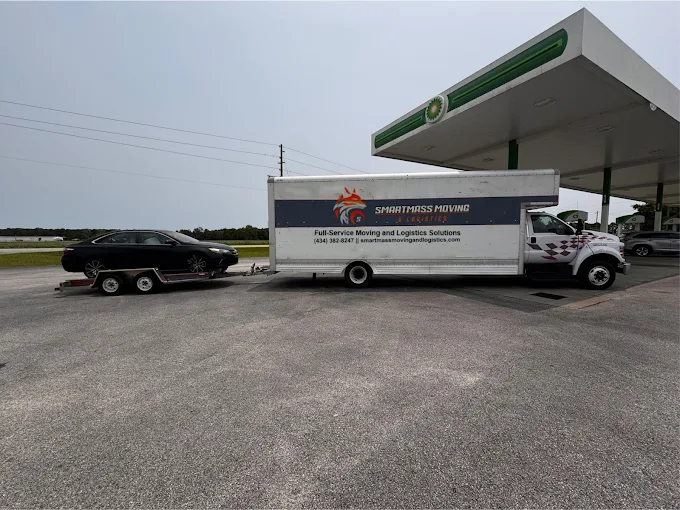
Moving an office is a big step for any business. Whether you are expanding, downsizing, or relocating to a better location, an office move requires careful planning. Unlike moving a home, a business relocation involves employees, office equipment, furniture, important documents, and technology. Without proper preparation, the move can interrupt daily operations and affect productivity.
If you are searching for a reliable Moving Company Danville VA, it is important to choose professionals who understand the unique needs of business relocations. Experienced movers can help organize the process, reduce downtime, and ensure valuable office items are handled with care.
For companies relocating to another city or state, working with experienced Long Distance Movers Danville VA can make the transition much easier. They understand how to transport office furniture, electronics, and sensitive equipment safely while keeping the move on schedule.
Why Office Moves Need Careful Planning
An office move affects every part of a business. Employees need a functional workspace, customers expect uninterrupted service, and valuable equipment must arrive safely. Planning ahead allows businesses to organize every step of the move while avoiding unnecessary delays.
A detailed moving plan helps businesses:
Reduce downtime
Protect valuable equipment
Stay within budget
Improve communication
Complete the move efficiently
Create a Moving Timeline
Every successful office move begins with a timeline. Start planning several weeks or even months before the moving date, depending on the size of your business.
Your timeline should include:
Choosing a moving date
Hiring professional movers
Ordering packing supplies
Packing office equipment
Setting up the new office
Updating business information
A timeline keeps everyone organized and helps prevent last-minute problems.
Assign a Moving Coordinator
Having one person manage the relocation makes communication much easier. A moving coordinator can oversee schedules, answer employee questions, and work directly with the moving company.
Their responsibilities may include:
Monitoring deadlines
Organizing packing
Coordinating departments
Handling unexpected issues
Confirming moving day details
Take Inventory Before Packing
Before packing begins, create a complete inventory of everything in the office.
This includes:
Computers
Monitors
Desks
Chairs
Filing cabinets
Office supplies
Electronics
Meeting room equipment
An inventory helps track every item and makes unpacking much easier.
Remove Unnecessary Items
Moving provides a great opportunity to organize your office.
Instead of relocating everything, decide which items should be:
Kept
Donated
Recycled
Disposed of
Removing unused furniture and outdated equipment reduces moving costs and creates a cleaner workspace.
Protect Important Business Documents
Every business has documents that are essential to daily operations.
These may include:
Financial records
Employee files
Client information
Contracts
Legal documents
Keep these documents secure and separate from regular office supplies. Digital backups are also recommended before moving day.
Back Up Business Data
Computers contain valuable information that businesses rely on every day.
Before relocating:
Back up all important files.
Save data to secure cloud storage.
Verify backup systems.
Protect confidential information.
Taking these steps helps prevent data loss during the move.
Label Every Box Clearly
Clear labels save time during unpacking.
Each box should include:
Department name
Contents
Destination room
Special handling instructions
Proper labeling helps movers place boxes in the correct locations.
Inform Employees About the Move
Employees should know the moving schedule well in advance.
Provide updates about:
Moving dates
New office address
Parking information
Workspace assignments
Packing responsibilities
Keeping employees informed reduces confusion and helps everyone prepare.
Notify Customers and Vendors
Customers, suppliers, and business partners should know about your relocation.
Update your:
Website
Business listings
Social media profiles
Email signatures
Business cards
Informing everyone ahead of time helps maintain smooth communication.
Prepare the New Office
Before moving day, make sure the new office is ready.
Check that the following are working:
Electricity
Internet service
Phone systems
Air conditioning
Heating
Security systems
Preparing the workspace early allows employees to return to work quickly.
Pack Electronics Carefully
Office electronics require extra protection during transportation.
Use:
Bubble wrap
Foam padding
Original boxes when available
Heavy-duty moving boxes
Label all cables before disconnecting equipment to simplify setup.
Move During Off Hours
Many businesses choose to relocate during evenings or weekends.
This approach helps:
Reduce business interruptions
Minimize customer inconvenience
Allow employees to return to work faster
Scheduling the move outside normal business hours often creates a smoother transition.
Protect Office Furniture
Office furniture is a valuable investment.
Professional movers use protective materials such as:
Furniture blankets
Stretch wrap
Corner protectors
Moving straps
These materials help prevent scratches and damage during transportation.
Understand Insurance Coverage
Before hiring movers, ask about available insurance options.
Understand:
What is covered
Liability limits
Claims procedures
Additional protection options
Knowing your coverage provides peace of mind throughout the move.
Keep Essential Items Accessible
Some items should remain easily available during the move.
These include:
Business licenses
Employee contact information
Office keys
Password lists
Daily office supplies
Having quick access to these items helps your business resume operations sooner.
Test Everything After Moving
Once everything arrives, inspect the new office carefully.
Check:
Computers
Internet connections
Phones
Printers
Furniture
Meeting rooms
Testing equipment immediately allows problems to be resolved quickly.
Help Employees Adjust
Moving into a new office takes time.
Help employees settle in by providing:
Office maps
Parking instructions
Emergency exit locations
Department layouts
A comfortable workspace helps employees become productive more quickly.
Choose Experienced Office Movers
Not every moving company specializes in business relocations.
Look for movers with experience handling:
Office furniture
Sensitive electronics
Business equipment
Large workstations
Confidential documents
Experienced professionals understand the challenges of office moves and help businesses avoid unnecessary delays.
Avoid Common Office Moving Mistakes
Many office moves become stressful because of simple planning mistakes.
Avoid these common issues:
Waiting too long to start planning
Forgetting to back up important files
Poor communication with employees
Not labeling boxes properly
Moving unnecessary items
Ignoring inventory management
Preparing in advance helps prevent these problems.
Why Professional Planning Matters
Office relocations involve many moving parts. Careful planning allows businesses to stay organized while reducing interruptions to daily operations.
Professional movers can assist with:
Packing
Loading
Transportation
Furniture protection
Efficient unloading
Their experience helps businesses complete the relocation safely and efficiently.
Only once, Smartmass Moving and Logistics understands the importance of organized planning, careful handling, and dependable moving services that support businesses during office relocations.
Conclusion
An office move is an important milestone for any business. With careful planning, clear communication, and the right moving professionals, businesses can reduce downtime and make the transition much smoother. Moving Company Danville VA Creating a timeline, protecting valuable equipment, backing up business data, and preparing employees all contribute to a successful move. Taking these steps before moving day helps businesses return to normal operations quickly while protecting valuable assets.
Frequently Asked Questions
How early should businesses plan an office move?
Most businesses should begin planning at least two to three months before the moving date. Larger offices may require additional preparation time.
Why is an inventory important before moving?
An inventory helps track office equipment, reduces the chance of missing items, and makes unpacking more organized.
Should businesses back up their data before moving?
Yes. Creating secure backups protects valuable business information and reduces the risk of data loss during transportation.
What is the best time to move an office?
Many businesses choose evenings or weekends because it minimizes disruption to employees and customers.
What should businesses look for in office movers?
Choose movers with experience, positive customer reviews, transparent pricing, proper insurance, and professional equipment to ensure a safe and organized office relocation.