High blood pressure is one of the most common health concerns affecting people today. It can develop slowly over time without causing any obvious warning signs. Many people continue their daily routine without realizing that their blood pressure is higher than normal. This is why it is often called a silent health condition.
If left unmanaged, high blood pressure may increase the risk of problems related to the heart, brain, kidneys, and blood vessels. The good news is that healthy lifestyle changes and timely care can help support normal blood pressure levels.
In this blog, we will answer the question what is high blood pressure, explain its causes, symptoms, possible risks, and discuss how Ayurveda focuses on maintaining overall health through natural methods.
What Is High Blood Pressure?
To understand what is high blood pressure, it is important to know what blood pressure means.
Blood pressure is the force of blood pushing against the walls of your arteries as the heart pumps blood throughout the body. This pressure helps deliver oxygen and nutrients to different organs.
When this pressure remains consistently higher than the normal range, it is called high blood pressure or hypertension.
High blood pressure usually develops gradually. Because it often does not cause noticeable symptoms in the beginning, regular health check-ups become important for early detection.
How Does Blood Pressure Work?
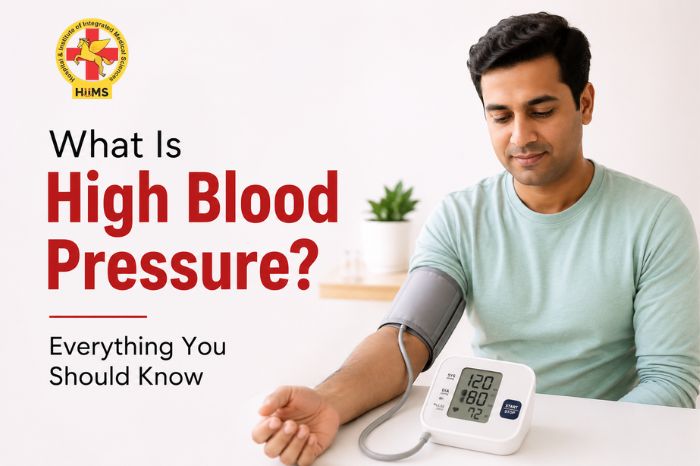
Blood pressure is measured using two numbers.
- Systolic pressure – the upper number that shows the pressure when the heart pumps blood.
- Diastolic pressure – the lower number that shows the pressure when the heart relaxes between beats.
A healthcare professional can help interpret your readings and determine whether they are within a healthy range.
What Causes High Blood Pressure?
After understanding what is high blood pressure, the next question many people ask is why it happens.
Several lifestyle and health-related factors may contribute to high blood pressure.
Unhealthy Eating Habits
Eating foods high in salt, processed ingredients, unhealthy fats, and excess sugar may affect blood pressure over time. A balanced diet with fresh fruits, vegetables, whole grains, and natural foods can support overall health.
Lack of Physical Activity
A sedentary lifestyle may reduce the body’s ability to maintain healthy blood circulation. Regular physical activity helps support heart health and overall wellness.
Stress
Long-term mental stress may influence blood pressure. Finding healthy ways to relax, such as meditation, yoga, or deep breathing, may help manage stress.
Being Overweight
Extra body weight can place additional strain on the heart and blood vessels, making it harder for the heart to pump blood efficiently.
Poor Sleep
Not getting enough quality sleep may affect many body functions, including blood pressure regulation.
Family History
If close family members have experienced high blood pressure, your chances of developing it may be higher.
Smoking and Alcohol
These habits may affect the health of blood vessels and increase the risk of developing high blood pressure.
What Are the Symptoms of High Blood Pressure?
One reason people ask what is high blood pressure is because they want to know how to identify it.
In many cases, there may be no symptoms at all. However, some people may experience:
- Frequent headaches
- Dizziness
- Blurred vision
- Shortness of breath
- Fatigue
- Chest discomfort
- Nosebleeds in some cases
These symptoms can also occur due to other health conditions. Therefore, regular blood pressure monitoring is important rather than waiting for symptoms to appear.
Who Is More Likely to Develop High Blood Pressure?
Anyone can develop high blood pressure, but the risk may be higher in people who:
- Are above 40 years of age
- Have a family history of high blood pressure
- Eat excessive salty or processed foods
- Are physically inactive
- Experience ongoing stress
- Are overweight
- Have poor sleep habits
Knowing these risk factors can help people make healthier lifestyle choices early.
Why Is High Blood Pressure a Concern?
Many people wonder what is high blood pressure and why doctors advise managing it early.
When blood pressure remains high for a long time, it can place extra strain on blood vessels and important organs. Over time, this may increase the risk of:
- Heart-related problems
- Stroke
- Kidney concerns
- Eye-related complications
- Reduced overall well-being
Early awareness and healthy habits can help reduce these risks.
How Does Ayurveda View High Blood Pressure?
According to Ayurveda, health depends on maintaining balance within the body. Daily routine, food habits, stress, sleep, digestion, and emotional well-being all play an important role in overall health.
Instead of focusing only on blood pressure numbers, Ayurveda aims to understand the person’s overall lifestyle and health condition. The goal is to support the body’s natural balance through personalized care.
Ayurvedic management may include:
- Personalized dietary guidance
- Yoga practices
- Meditation
- Stress management techniques
- Daily routine improvements
- Panchakarma therapies, when recommended by an Ayurvedic physician
- Lifestyle modifications based on individual needs
These approaches focus on improving overall wellness and supporting long-term health.
Natural Ways to Support Healthy Blood Pressure
If you have been wondering what is high blood pressure and how to manage it naturally, these healthy habits may help support overall well-being.
Eat a Balanced Diet
Choose fresh vegetables, seasonal fruits, whole grains, nuts, seeds, and home-cooked meals. Reducing excess salt and processed foods may help support healthy blood pressure.
Stay Active
Walking, yoga, stretching, and other regular physical activities can help maintain good circulation and support heart health.
Manage Stress
Practice meditation, breathing exercises, or spend time doing activities that help you relax.
Sleep Well
Aim for 7 to 8 hours of quality sleep every night to help the body recover and function properly.
Maintain a Healthy Weight
Maintaining a healthy weight may reduce extra pressure on the heart and blood vessels.
Monitor Blood Pressure Regularly
Even if you feel healthy, regular blood pressure checks can help identify changes early.
Why Early Care Matters
Understanding what is high blood pressure allows people to take action before complications develop.
Many individuals only discover they have high blood pressure during a routine health check-up. Early identification provides an opportunity to improve lifestyle habits and seek appropriate guidance before the condition affects overall health.
Making small, consistent changes today can support better health in the future.
Jeena Sikho HiiMS for Holistic Blood Pressure Care
At Jeena Sikho HiiMS, blood pressure management is approached through the principles of Ayurveda and holistic wellness. The focus is on identifying possible lifestyle factors, improving daily habits, supporting natural body balance, and promoting long-term well-being.
The team emphasizes personalized Ayurvedic guidance, nutrition, yoga, stress management, and healthy living practices to help individuals move toward better overall health.
Conclusion
If you have ever wondered what is high blood pressure, the answer is simple. It is a condition in which the force of blood against the artery walls remains consistently higher than normal. Although it may not cause symptoms in the early stages, it should not be ignored.
A healthy lifestyle, balanced nutrition, regular physical activity, stress management, and routine health check-ups can all contribute to maintaining healthy blood pressure. Ayurveda also highlights the importance of restoring balance in the body through personalized lifestyle practices and natural approaches.
Understanding your health today can help you make better choices for a healthier tomorrow.
Frequently Asked Questions (FAQs)
1. What is high blood pressure?
High blood pressure is a condition in which the force of blood flowing through the arteries remains consistently higher than the normal range. It often develops without noticeable symptoms.
2. What are the common causes of high blood pressure?
Common causes include unhealthy eating habits, excess salt intake, lack of physical activity, stress, obesity, poor sleep, family history, and unhealthy lifestyle choices.
3. Can high blood pressure be prevented naturally?
Healthy habits such as eating a balanced diet, staying physically active, managing stress, sleeping well, and maintaining a healthy weight may help support healthy blood pressure.
4. Does high blood pressure always cause symptoms?
No. Many people experience no symptoms, which is why regular blood pressure monitoring is important.
5. How does Ayurveda help in managing high blood pressure?
Ayurveda focuses on improving overall health through personalized diet, lifestyle changes, yoga, meditation, stress management, and other natural approaches based on individual needs.
Disclaimer: This blog is for educational purposes only and should not be considered medical advice. Always consult a qualified healthcare professional or an experienced Ayurvedic physician for personalized evaluation and guidance regarding your health.
Related blog: https://www.smilebox.co.za/causes-of-high-blood-pressure