

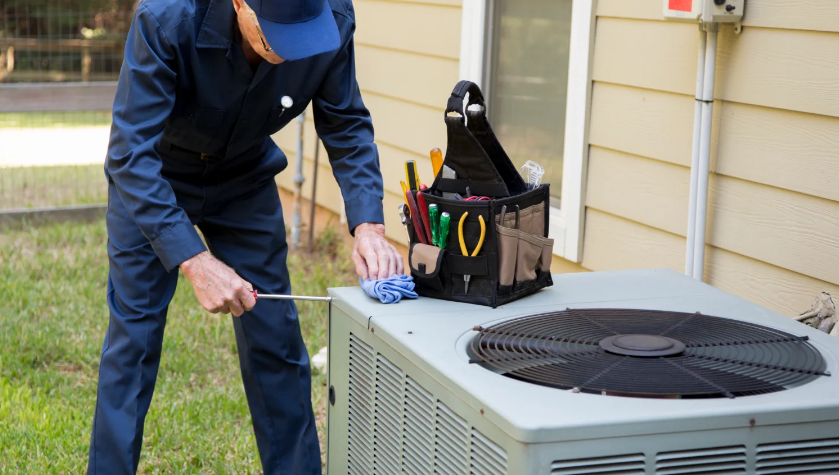
Lilburn, Georgia, situated in central Gwinnett County, experiences a climate defined by intense seasonal contrasts. The summer months routinely bring extreme heat indexes alongside suffocating humidity, while winter nights frequently drop below freezing. In this environment, a residential heating, ventilation, and air conditioning (HVAC) system is not a luxury—it is an essential life-safety and structural preservation infrastructure.
When a central air conditioner quits on a 95°F afternoon with high humidity or a gas furnace fails to ignite during an unexpected winter freeze, indoor temperatures can reach dangerous levels in a matter of hours. Emergency HVAC situations require immediate, expert intervention to prevent heat exhaustion, structural water damage from overflowing drain pans, pipe freezing, and catastrophic equipment failure.
Identifying True HVAC Emergencies vs. Standard Service Needs
Not every mechanical malfunction requires an immediate late-night dispatch, but several critical symptoms indicate a true emergency that demands urgent professional attention.
1. Total System Breakdown During Extreme Temperatures
When ambient outdoor temperatures climb past 90°F or drop below 32°F, a complete shutdown of your air handler, heat pump, or furnace constitutes a direct home emergency. Elderly family members, young children, and pets are particularly vulnerable to heat-related illnesses and severe indoor cold.
2. Acrid Electrical Smells or Burning Odors
If your air vents emit a sharp, metallic, or chemical burning smell, or if your HVAC system continuously trips your home’s main electrical breaker panel, turn off the system power at the thermostat and disconnect box immediately. This symptom often signals overheating motor windings, arcing wiring, or a shorted capacitor that poses a serious fire hazard.
What to Do While Waiting for Emergency Technicians
When facing a sudden heating or cooling failure, taking preliminary steps while awaiting professional service helps mitigate home damage and ensures technician safety upon arrival.
If your system is displaying critical electrical faults, grinding mechanical noises, or active indoor flooding, do not wait for standard business hours. Connect directly with licensed, local emergency technicians for immediate dispatch by visiting HVAC Emergency Services in Lilburn, GA.
Immediate Homeowner Action Checklist:
-
Power Down the HVAC Unit: Switch off your thermostat and flip the dedicated breaker switch inside your main electrical panel to prevent electrical arcing or compressor motor burnout.
-
Inspect the Air Filter: Check if your indoor air filter is completely blocked by dust and pet hair. A choked air filter restricts airflow across the evaporator coil, frequently triggering secondary safety switches.
-
Contain Flooding Water: If condensate water is overflowing from an attic air handler, place shallow plastic pans, buckets, and absorbent towels beneath the drip edges to catch excess moisture.
-
Clear Exterior Clearances: Ensure that leaves, pine straw, yard debris, or outdoor storage items are kept at least two feet away from your outdoor condensing unit so the technician can access the panel cleanly.
-
Keep the Thermal Envelope Closed: Keep all exterior doors, windows, and blinds closed to trap existing cool or warm air inside the home for as long as possible.
3. Active Water Leaks & Condensate Overflows
Central air conditioners extract gallons of water from Lilburn’s humid air every single day. If the primary condensate drain line becomes blocked by algae, sediment, or fungal sludge, the water backs up into the drain pan. If the emergency float switch fails or is absent, water spills directly into your ceiling, attic joists, or subflooring, resulting in structural drywall collapse and rapid mold growth.
4. Severe Refrigerant Leaks & Frozen Evaporator Coils
A hissing or bubbling sound originating from your outdoor compressor or indoor air handler typically indicates a major refrigerant line leak. When refrigerant levels drop, pressure within the evaporator coil drops below freezing, causing ambient moisture to turn into a solid block of ice around the coil. Running a system with a frozen coil will overheat and destroy the compressor motor.
Mechanical Root Causes of Sudden HVAC Failures
Learning about HVAC information and why an HVAC system breaks down suddenly during peak summer or winter operations helps property owners understand the precise technical work required during an emergency repair visit.
Dual-Run Capacitor Breakdown
The dual-run capacitor provides the initial electrical charge required to start both the compressor motor and the outdoor fan motor. During severe Georgia heatwaves, heat build-up inside the electrical control cabinet degrades the oil and internal film of the capacitor, causing it to swell and fail. Without a functioning capacitor, motors hum loudly, overheat, and trip thermal overload switches.
Contactor Relay Pit Damage
The contactor is a high-voltage electrical relay switch that controls current flow to the compressor and fan. Over thousands of cycles, electrical arcing creates pits and carbon deposits on the contactor points. This can cause the contacts to weld shut (keeping the unit running continuously until it freezes) or prevent electrical connectivity altogether.
Reversing Valve Malfunctions in Heat Pumps
In dual-fuel or heat pump systems, the reversing valve alters the direction of refrigerant flow to switch between heating and cooling modes. If the internal solenoid coil fails or the valve body becomes mechanically stuck, the system will blow cold air during freezing winter nights or hot air during peak summer.
The Professional Emergency Diagnostic & Repair Process
When an emergency service vehicle arrives at your Lilburn home, certified technicians execute a structured, step-by-step diagnostic workflow designed to identify mechanical faults safely and restore system operation efficiently.
-
High-Voltage Electrical & Safety Inspection: Technicians use digital multimeters to measure incoming line voltage, control circuit transformer output, and motor winding resistance to rule out dead shorts or grounded compressor windings.
-
Refrigerant Pressure & Thermal Split Audit: Gauge manifolds are attached to the liquid and suction service valves to measure operating pressures, superheat, and subcooling against outdoor ambient temperatures.
-
Condensate Line Flush & Safety Switch Verification: Technicians clear blockage from condensate traps using pressurized nitrogen, inspect secondary drain pans, and test emergency float cut-off switches.
-
Component Replacement & System Commissioning: Damaged components—such as hard-start kits, contactors, fan motors, or thermostatic expansion valves—are replaced with OEM-spec parts. The system is then run through a full heating or cooling cycle while checking static duct pressure and supply/return Delta T (temperature differential).
Preventing Emergency Failures Through Scheduled Maintenance
While emergency repair services resolve immediate mechanical failures, over 80% of sudden system shutdowns can be prevented through consistent, proactive preventive maintenance.
-
Replace Air Filters Consistently: Replace standard 1-inch air filters every 30 to 60 days, or pleated 4-inch filters every 6 to 12 months, to prevent static pressure spikes.
-
Schedule Bi-Annual Seasonal Tune-Ups: Professional maintenance in the spring (for cooling) and fall (for heating) ensures electrical components are tested, coils are washed, and refrigerant levels are verified before extreme weather hits.
-
Keep Outdoor Coils Clean: Periodically wash away lawn clippings, dirt, and pollen from your outdoor condenser fins using a low-pressure garden hose.
-
Maintain Condensate Lines: Pour a cup of plain warm water or approved drain cleaner down your indoor condensate trap every few months to prevent algae build-up.
To learn more about HVAC services, you can visit ontime heating&cooling.
Protect Your Home with Reliable Emergency HVAC Care
A sudden heating or cooling failure during peak weather presents an immediate threat to your indoor comfort, health, and property value. Partnering with experienced, licensed mechanical technicians ensures that emergency repairs are handled accurately, safely, and in full compliance with local mechanical codes.
Don’t let a broken air conditioner or furnace compromise your living space. Restore your home’s indoor climate control, protect your mechanical investment, and bring peace of mind back to your household by taking proactive care of your HVAC system through every season!



















Leave a Reply