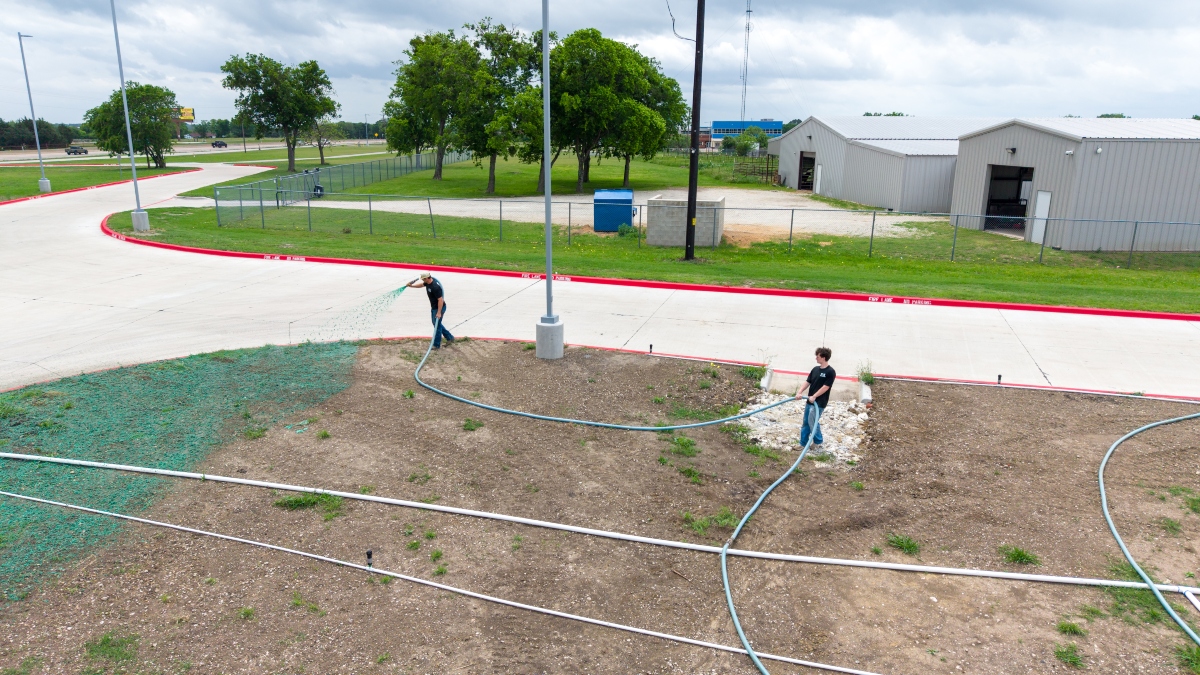
Choosing the right grass seed is one of the most important decisions when establishing a lawn or stabilizing exposed soil in North Texas. The region presents demanding growing conditions, including intense summer heat, variable rainfall, clay-heavy soils, drought periods, and occasional severe weather. A hydroseed mixture should therefore be selected according to the property’s environment rather than based solely on price or appearance. Understanding the characteristics of different grass species can help property owners make better decisions before starting a Hydroseeding North Texas project.
The term “native grass” is sometimes used broadly, but not every grass commonly planted in North Texas is technically native to the region. Some species are native prairie grasses, while others are introduced turfgrasses that have become well adapted to the local climate. This distinction matters because turf quality, drought tolerance, maintenance requirements, and appearance can vary considerably. A knowledgeable hydroseeding professional should explain what species are included in the proposed mixture and why they are appropriate for the particular property.
Common Grass Options for North Texas
Several warm-season grasses are commonly considered for North Texas landscapes because they can tolerate the region’s hot growing season. Bermuda grass is widely valued for its heat tolerance, durability, and ability to perform in sunny locations. It can be suitable for lawns and areas exposed to considerable activity when properly maintained. However, Bermuda generally performs best with adequate sunlight and may not be the ideal choice for heavily shaded areas.
Buffalograss is another grass associated with the Great Plains and is often considered where lower-water landscaping is a priority. It can tolerate heat and periods of drought once established, although establishment and appearance depend heavily on soil conditions and maintenance. Other grasses, including certain native prairie species, may be more appropriate for naturalized landscapes, restoration projects, or erosion-control applications rather than traditional manicured lawns. The intended purpose of the property should guide the seed selection.
What a Quality Hydroseed Mix Contains
A hydroseed mixture typically contains more than grass seed. The slurry can include water, mulch, fertilizer, tackifying materials, and other components selected according to the site’s requirements. The seed provides the plants that will eventually establish, while mulch can help protect developing seed and retain moisture near the soil surface. Fertilizer or amendments may be included when appropriate, but their use should be based on the condition of the soil and the needs of the selected vegetation.
The exact mixture should vary according to the project rather than following a universal formula. A residential lawn with full sunlight may require a different seed selection from a commercial property, roadside slope, pasture restoration project, or erosion-control area. Soil type, drainage, expected traffic, irrigation availability, and maintenance expectations all influence the appropriate formulation. Asking for a written description of the seed mixture can help property owners understand exactly what they are paying for and what type of vegetation they can expect.
Native Grasses Versus Turfgrass
Native prairie grasses can provide valuable benefits when the goal is ecological restoration, natural landscaping, habitat improvement, or reduced-input vegetation. Species such as little bluestem, big bluestem, and other regionally appropriate prairie grasses can contribute to landscapes designed around native vegetation. These plants often have extensive root systems and can be well suited to regional environmental conditions. However, they may not provide the short, dense appearance expected from a conventional residential or commercial lawn.
Turfgrasses are generally selected when appearance, recreational use, mowing, and uniform coverage are priorities. Bermuda grass, for example, can create a dense turf under favorable conditions but requires regular management to maintain its desired appearance. Native grasses can require different mowing schedules and may look more natural or less manicured. Neither category is automatically better; the appropriate choice depends on the property’s purpose, aesthetic goals, available maintenance, and environmental conditions.
Matching Seed to Soil and Site Conditions
North Texas soil can vary significantly, but many areas contain heavy clay associated with the Blackland Prairie region. Clay can retain moisture effectively while also becoming compacted and difficult to work when conditions are unfavorable. Compaction is especially common on construction sites where heavy equipment has repeatedly traveled across the soil. Before hydroseeding, addressing serious compaction and grading problems can improve the environment for root development and reduce problems with drainage.
Sunlight should also be considered before selecting a seed mixture. Some warm-season grasses perform strongly in full sun but struggle when planted in heavily shaded locations. Drainage is equally important because areas that remain saturated may require different vegetation from well-drained sections. An experienced hydroseeding contractor should inspect these site characteristics before recommending seed. A customized mixture can be more effective than applying the same blend throughout a property with substantially different growing conditions.
Choosing a Hydroseeding Contractor
When searching for a hydroseeding company near me, property owners should evaluate more than location and advertised pricing. Ask prospective contractors about their experience with North Texas soil, seed selection, hydroseeding equipment, soil preparation, irrigation requirements, and follow-up care. A professional should be able to explain which grass species are being proposed and what advantages or limitations they have. Clear answers demonstrate that the contractor is designing the project around actual site conditions rather than simply selling a standard application.
It is also useful to request a detailed estimate that identifies preparation work, seed types, mulch, fertilizer or amendments, application rates, and other services. Contractors working on larger properties should be prepared to discuss access, terrain, erosion risks, and construction scheduling. References or examples of comparable projects can provide additional insight into workmanship and reliability. A transparent contractor should set realistic expectations because germination and establishment are influenced by weather, irrigation, soil conditions, and ongoing maintenance.
Hydroseeding Native Grass for Commercial Projects
Commercial properties may benefit from native or adapted grass species when landscaping objectives extend beyond traditional turf. Large developments, business campuses, roadside areas, drainage corridors, and restoration projects can require vegetation that provides soil coverage while fitting the property’s maintenance strategy. Commercial hydroseeding can efficiently distribute seed and protective materials across broad areas, making the technique useful for projects where manually spreading seed would require considerable labor. The selected vegetation should still match the site’s long-term purpose.
Commercial projects may also have additional erosion-control and stormwater considerations. Native grasses with strong root systems can contribute to long-term soil stability after establishment, but hydroseeding should not be considered a substitute for engineered erosion-control practices where those are required. Slopes, drainage channels, and heavily disturbed areas may need additional stabilization measures. Coordination between the property owner, civil contractor, landscape professional, and hydroseeding provider can help ensure that vegetation establishment fits into the overall site plan.
Caring for Your Hydroseeded Grass
Even an expertly selected seed mixture needs proper care after application. Newly hydroseeded areas generally require consistent moisture during germination and early growth, although irrigation should be managed carefully to avoid runoff and excessive saturation. North Texas heat can increase evaporation, making regular monitoring particularly important during hot and dry periods. As grass develops deeper roots, irrigation practices can gradually be adjusted to support stronger long-term growth and reduce unnecessary watering.
Mowing, weed management, soil care, and seasonal maintenance also influence the finished landscape. Property owners should avoid excessive traffic while young grass is becoming established because developing plants are more vulnerable to disturbance. Any bare or poorly established sections should be inspected to determine whether the cause is drainage, soil compaction, irrigation, seed selection, or weather. Addressing these problems early can improve the overall appearance and performance of the landscape.
Building a Smarter Hydroseed Mix for North Texas
The best hydroseed mixture is not necessarily the one containing the most expensive seed or the greatest number of species. Instead, it should contain vegetation that matches the site’s climate, soil, sunlight, drainage, intended use, and maintenance capabilities. Native prairie grasses can be excellent choices for naturalized or restoration-focused projects, while adapted turfgrasses may be more suitable for conventional lawns. Understanding this distinction helps property owners avoid selecting a mixture based only on marketing claims.
For anyone planning Hydroseeding North Texas, the most reliable approach is to begin with a site assessment and a clear discussion about the desired outcome. Ask a qualified hydroseeding company near me to identify the proposed grass species, explain the purpose of each major material, and provide realistic expectations for establishment. With appropriate soil preparation, climate-suitable seed, professional application, and consistent aftercare, hydroseeding can establish vegetation that performs well in challenging North Texas conditions. The right seed mix is ultimately the foundation of a healthier, more sustainable landscape.