A properly functioning air conditioner depends on a sealed refrigeration system to move heat from inside a home to the outdoors. When refrigerant escapes, the system can lose cooling capacity, operate inefficiently, and experience additional strain. Refrigerant does not normally disappear simply because an AC system gets older, so a low refrigerant level can indicate a leak or another underlying problem that deserves professional attention. For homeowners who need air conditioning repair in irving tx understanding the common causes and warning signs of refrigerant leaks can make it easier to recognize trouble and seek appropriate service before the system suffers further damage.
How Refrigerant Works in an Air Conditioner
Refrigerant plays an important role in the cooling process by absorbing heat from indoor air and releasing that heat outdoors. It circulates through a closed system containing components such as the evaporator coil, condenser coil, compressor, expansion device, and connecting refrigerant lines. Under normal conditions, the refrigerant remains within this sealed circuit and continues circulating as the system operates.
Because refrigerant is not intended to be routinely consumed, a low charge generally requires investigation. Simply adding refrigerant may temporarily restore performance, but it does not address the reason the refrigerant level became low. A qualified HVAC technician should determine whether a leak exists, identify its location when possible, and evaluate whether the affected component can be repaired appropriately. This diagnostic approach helps address the underlying problem rather than treating only the symptom.
Corrosion Can Cause Refrigerant Leaks
Corrosion is one possible cause of refrigerant leaks, particularly in older HVAC equipment. Metal components can deteriorate over time because of environmental exposure, moisture, chemical reactions, or normal aging. In certain circumstances, corrosion can eventually create tiny openings that allow refrigerant to escape.
The evaporator coil and other metal components can be vulnerable depending on equipment design and operating conditions. A leak caused by corrosion may be difficult to detect because it can be extremely small. Professional technicians use appropriate diagnostic methods to locate suspected leaks rather than relying solely on visual inspection. If corrosion has significantly damaged a major component, the homeowner may need to compare the cost of repair with the remaining useful life of the equipment.
Vibration and Wear Can Damage Connections
An HVAC system contains numerous connections, joints, fittings, and refrigerant lines that experience normal operating movement. Over years of operation, vibration can contribute to wear at certain connection points. Physical damage or deterioration around these areas can eventually result in a refrigerant leak.
Poorly supported lines or improperly installed components may also be more susceptible to stress. This is one reason professional installation matters when a system is first installed or replaced. If a leak is suspected, homeowners should avoid attempting to tighten refrigerant connections themselves. Specialized equipment and procedures are needed to safely diagnose and service the refrigeration circuit.
Damaged Coils and Refrigerant Lines
Coils are essential components of the air conditioning system, and damage to an evaporator or condenser coil can affect the refrigerant circuit. Physical damage, corrosion, manufacturing defects, and age-related deterioration are among the conditions that may contribute to leakage. Refrigerant lines can also be affected by physical impact, improper installation, or long-term wear.
A technician can inspect the relevant components and determine whether the suspected leak is repairable. In some cases, replacing a damaged component may be more appropriate than attempting a temporary repair. The right decision depends on the location and severity of the leak, equipment age, repair cost, parts availability, and the overall condition of the system.
Signs That Your AC May Have a Refrigerant Problem
Homeowners may notice several changes when an air conditioner has a refrigerant-related problem. Reduced cooling performance is one common symptom. The system may run for longer periods while struggling to reach the thermostat setting, or certain areas of the home may remain warmer than expected. Increased operating time can also contribute to higher energy consumption.
Ice or frost forming on parts of the indoor coil or refrigerant lines can be another warning sign, although several different HVAC problems can cause freezing. Weak airflow, unusual system behavior, or water resulting from melting ice may also appear. These symptoms do not prove that refrigerant is leaking, which is why professional diagnosis is important. A homeowner should avoid assuming that adding refrigerant is automatically the correct solution.
Why Refrigerant Leaks Require Professional Attention
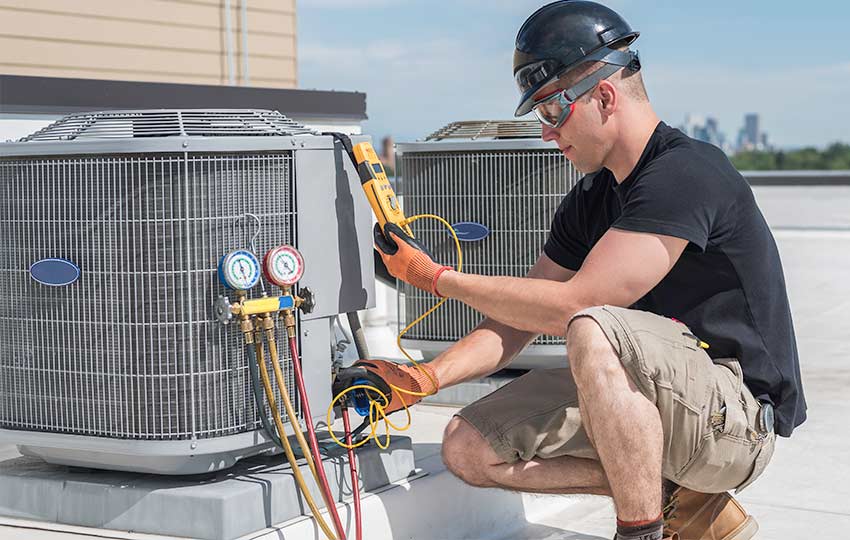
Refrigerant systems require specialized knowledge, tools, and procedures. Attempting to locate or repair a leak without appropriate training can result in equipment damage or unsafe handling. Homeowners should not open sealed refrigeration components, intentionally release refrigerant, or attempt to recharge the system themselves.
Professional service typically involves evaluating system performance and determining whether a refrigerant issue is actually present. If a leak is identified, the technician can explain its location, severity, and available repair options. Depending on the equipment and circumstances, the appropriate solution may involve repairing or replacing a component and then restoring the system according to applicable procedures.
When Repair Makes Sense and When Replacement May Be Better
A refrigerant leak does not automatically mean that an entire air conditioner must be replaced. If the system is relatively new and the affected component can be repaired economically, repairing the leak may be a practical choice. A homeowner should consider the system’s age, previous repair history, efficiency, warranty status, and overall condition before making a decision.
Replacement may deserve consideration when an older system has repeated refrigerant problems or requires an expensive major-component repair. Homeowners researching air conditioning installation keller tx should compare equipment efficiency, proper sizing, installation quality, warranty coverage, and expected operating needs rather than focusing only on the equipment’s purchase price. A professional assessment can help determine whether continuing repairs or planning a replacement provides better long-term value.
Choosing a Professional AC Repair Provider
When selecting an HVAC contractor, homeowners should look for relevant experience, appropriate credentials, transparent estimates, and clear communication. Ask the technician to explain what caused the suspected leak, how it was diagnosed, what repair is recommended, and whether additional problems were found during the inspection. Written documentation can make it easier to understand the service and keep useful records for future maintenance.
Homeowners should also be cautious of contractors who immediately recommend expensive replacements without performing an adequate evaluation. Likewise, repeatedly adding refrigerant without addressing the source of the loss is not a comprehensive solution. A trustworthy professional should focus on diagnosing the system and explaining realistic repair or replacement options based on its actual condition.
Preventing Refrigerant-Related Problems
There is no way to guarantee that an HVAC system will never develop a refrigerant leak, but proper installation and regular maintenance can help identify potential problems early. Routine professional inspections allow technicians to evaluate system operation, examine accessible components, and identify signs of deterioration. Homeowners can also help by paying attention to changes in cooling performance, unusual noises, ice formation, or unusually long operating cycles.
Prompt attention is especially valuable in the hot Texas climate, when an air conditioner may operate for extended periods. If cooling performance changes noticeably, arranging air conditioning repair in irving tx can help determine whether the issue is related to refrigerant, airflow, electrical components, controls, or another part of the system. Early diagnosis may prevent a developing problem from becoming a more disruptive and expensive failure.
Understanding the causes and warning signs of refrigerant leaks gives Irving homeowners a better foundation for making HVAC decisions. Corrosion, component deterioration, vibration, damaged coils, and problems with refrigerant lines can all contribute to leakage. Because symptoms can overlap with other HVAC problems, professional testing is the most reliable way to identify the underlying cause. By choosing qualified service, addressing problems promptly, and maintaining equipment regularly, homeowners can support reliable cooling performance and make more informed decisions about whether to repair an existing system or eventually invest in professional air conditioning installation keller tx.