There is something special about walking toward a mountain lake with huge Himalayan peaks rising around you. The Gokyo Valley Trek takes you into one of the most beautiful corners of the Everest region, away from the usual rush of the main Everest Base Camp trail. The journey combines quiet mountain villages, glacial lakes, high valleys, and unforgettable views.
Gokyo is known for its turquoise lakes and dramatic mountain scenery, but the experience is about more than reaching the valley. The trail gives you time to slow down, explore the Khumbu landscape, meet local communities, and experience the quieter side of the Himalayas.
What Makes the Gokyo Valley Trek Special?
Gokyo Valley is known for its collection of glacial lakes and its location among some of the world’s highest mountains. The route also offers a different experience from the more commonly followed paths toward Everest Base Camp.
The combination of high-altitude lakes, mountain viewpoints, local settlements, and varied terrain gives the trek its own identity. Rather than having one single attraction, the journey is made up of many smaller experiences that come together as you move deeper into the Khumbu.
What Can You See on the Gokyo Valley Trek?
The trail begins in landscapes that are very different from the high mountains. Lower sections feature forests, rivers, stone paths, and hillside villages. As you gain elevation, vegetation becomes less common and the surroundings gradually turn into exposed rock and alpine terrain.
You will also encounter suspension bridges, Buddhist landmarks, traditional houses, and mountain lodges along the route. Higher up, the landscape opens toward massive peaks such as Everest, Lhotse, Makalu, and Cho Oyu. The changing environment is one of the most interesting parts of the trek.
Gokyo Ri: A Stunning Viewpoint in the Everest Region
A climb to Gokyo Ri is one of the major highlights of the trek. The ascent can be tiring because of the altitude, but reaching the viewpoint gives you a broad look across the surrounding mountains and valleys.
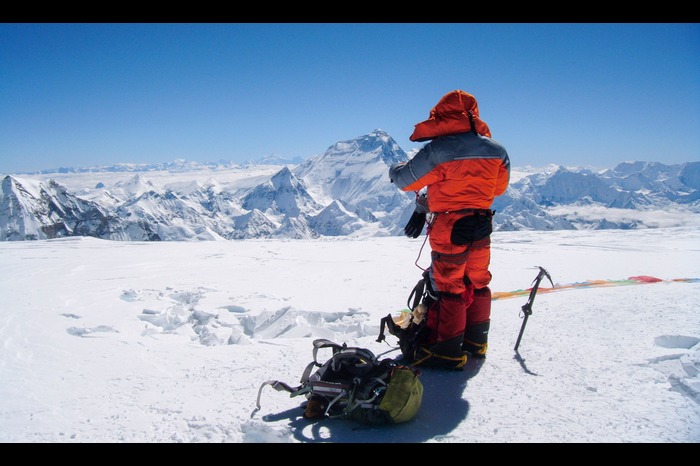
From the top, you can see several major Himalayan peaks as well as the Gokyo Lakes below. Early morning is a popular time for the climb because the changing light creates striking views across the mountain range. For many trekkers, standing at the viewpoint after the climb is one of the most satisfying moments of the trip.
Why Are the Gokyo Lakes Famous?
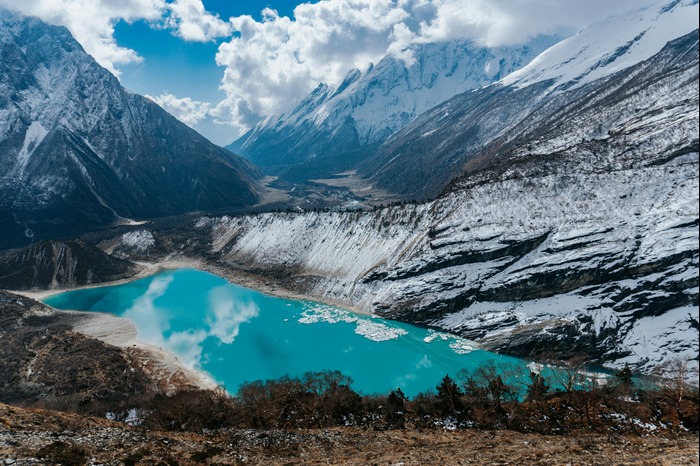
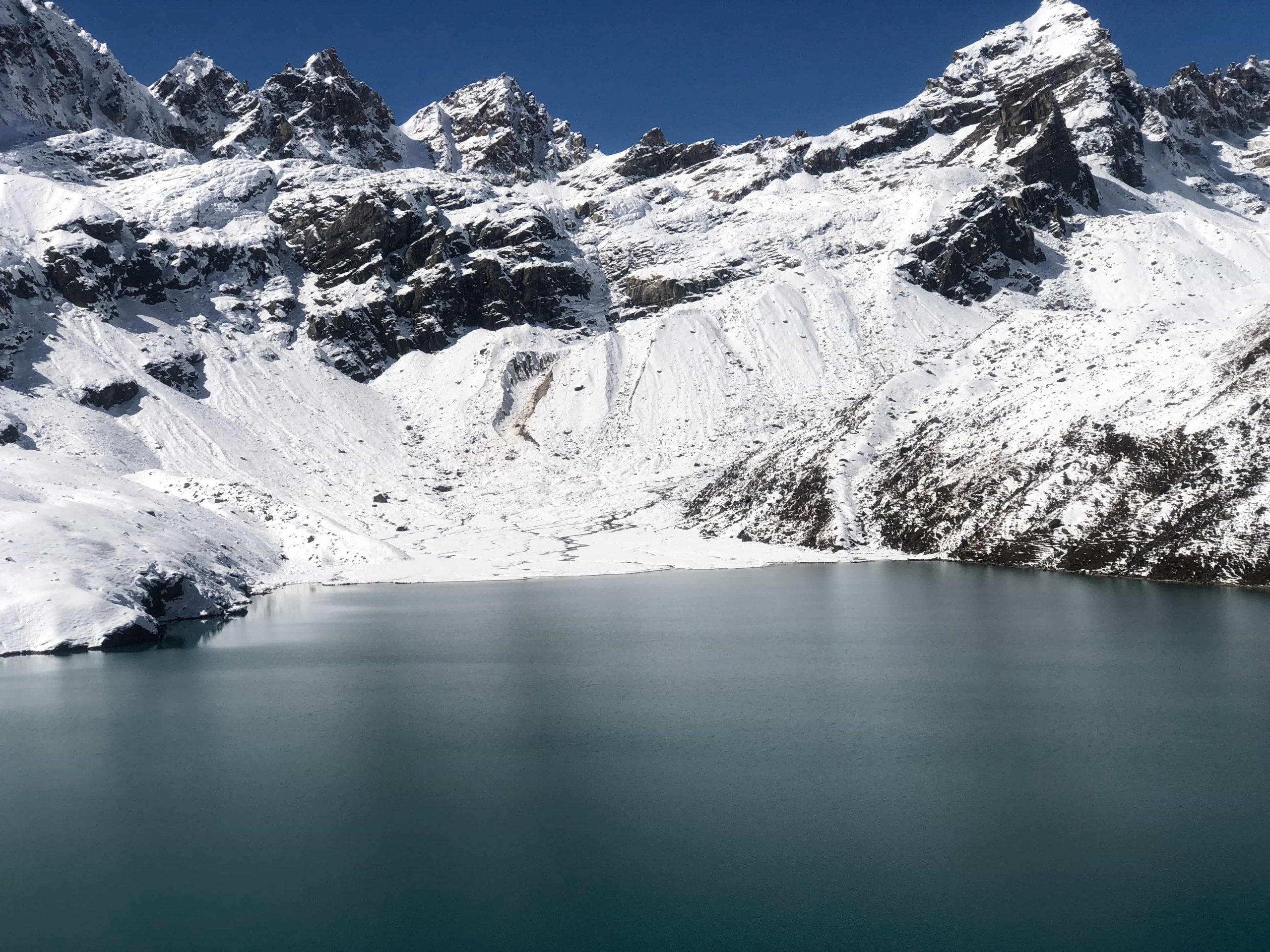
The Gokyo Lakes are a series of glacial lakes located at high altitude in the Everest region. Their distinctive blue and turquoise colors make them one of the most recognizable features of the area.
The lakes also have religious importance for both Hindus and Buddhists. During certain religious occasions, pilgrims visit the area to pay their respects. This cultural connection adds another dimension to what might otherwise seem like a purely natural attraction.
The lakes look different depending on the weather and time of day. Sunlight, clouds, and reflections from the surrounding mountains can completely change their appearance.
Experience Sherpa Culture in the Gokyo Valley
The Everest region is closely associated with Sherpa culture, and the Gokyo route provides opportunities to experience it firsthand. Villages along the trail reflect the traditions and lifestyle of communities that have adapted to living at high elevations.
You may see mani walls, prayer wheels, chortens, monasteries, and prayer flags along the way. These are not simply decorations for visitors; they are part of the spiritual and cultural life of the region.
Teahouses are another important part of the trekking experience. Sitting down for a meal after several hours of walking, talking with other trekkers, or enjoying a hot drink can make the long days on the trail feel much easier.
How Difficult Is the Gokyo Valley Trek?
The Gokyo Valley Trek requires a reasonable level of fitness and preparation. The altitude is the main factor that makes the journey demanding. As you climb higher, the reduced oxygen can make ordinary walking feel considerably harder.
Some sections also involve steep climbs and uneven ground. However, you do not need technical mountaineering skills for the standard trek. Building your stamina before the trip through hiking, walking, running, cycling, or stair exercises can help.
More importantly, trekkers need to give their bodies time to adjust. Walking slowly, taking appropriate rest, staying hydrated, and following a proper acclimatization plan are all important at high altitude.
Best Time for the Gokyo Valley Trek
Spring and autumn are widely preferred for trekking in the Everest region. Spring generally brings warmer conditions and blooming rhododendrons in the lower areas, while autumn often offers crisp weather and good mountain visibility.
Winter can bring freezing temperatures and snow at higher elevations. The monsoon season can make some lower trails wet and cloudy, while mountain views may be limited.
Weather in the Himalayas can change quickly regardless of the season. Trekkers should therefore be prepared for changing temperatures and remain flexible if conditions affect the route.
What to Pack for the Gokyo Valley Trek
Packing for Gokyo requires preparation for both lower and high-altitude conditions. Temperatures can vary significantly during the day, so clothing that can be added or removed as needed is useful.
A good pair of trekking shoes is essential because much of the route involves uneven terrain. Warm layers, a waterproof jacket, gloves, a hat, sunglasses, sunscreen, and a comfortable backpack are also important.
Other useful items include a reusable water bottle, headlamp, personal medication, toiletries, and a suitable sleeping bag. It is worth testing your footwear and organizing your backpack before the trek so you know everything is comfortable and easy to access.
Trekking the Gokyo Valley With Amble Himalaya
Organizing a high-altitude trek involves several practical details. Transportation, permits, accommodation, guides, and preparation for the changing conditions all need to be considered before setting out.
Amble Himalaya provides local trekking support for travelers exploring the Gokyo Valley and the wider Everest region. The team can assist with guides, permits, accommodation, transportation, and other arrangements required for the journey.
Local support can also be useful when conditions on the trail change. Guides familiar with the region can help trekkers understand the terrain, manage the pace, and make sensible decisions during the trek.
Respect the Khumbu Environment
The Everest region receives visitors from around the world, which makes responsible travel especially important. The area’s natural environment and local communities deserve care and respect.
Trekkers can help by carrying their waste, reducing single-use plastic, using resources responsibly, and following local rules. Cultural sites should also be treated with respect, particularly monasteries, prayer areas, and religious objects.
Small choices from each traveler can help reduce the impact of tourism and protect the region for the communities who live there and for future visitors.
Why Choose the Gokyo Valley Trek?
The Gokyo Valley Trek is a good choice for trekkers who want to explore the Everest region beyond its most familiar route. The journey brings together high-altitude lakes, mountain viewpoints, Sherpa culture, forests, villages, and dramatic Himalayan terrain.
The experience is not defined by one destination alone. It is the combination of reaching Gokyo, climbing Gokyo Ri, seeing the lakes, meeting people along the trail, and gradually adapting to life at high altitude.
For anyone looking for a challenging Himalayan trek with a strong mix of nature, culture, and mountain adventure, Gokyo Valley offers an experience that goes well beyond simply seeing Mount Everest.