The first step toward a great mountain adventure is often a simple decision: go higher. Climbing in Nepal in 2026 offers a chance to leave the busy world behind and enter a land of huge peaks, quiet valleys, and powerful mountain views. From beginner-friendly climbing peaks to serious Himalayan expeditions, Nepal has something for many types of climbers. Each route brings a new test, a new view, and a story you can carry home.
Why Nepal Is a Dream for Climbers
Nepal is home to some of the highest mountains on Earth. Its Himalayan landscape attracts climbers from around the world. The country offers a wide range of climbing experiences, from short peak climbs to long and demanding expeditions.
What makes Nepal special is not only the height of its mountains. The journey itself is part of the adventure. You may walk through green forests, cross rivers, pass small mountain villages, and meet local people before reaching the snow and ice.
For many climbers, Nepal is more than a place to reach a summit. It is a place to learn, explore, and connect with the mountains.
Choose a Peak That Matches Your Goal
Every climber has a different dream. Some want to stand on their first Himalayan summit. Others want to take on a high and technical peak. Choosing the right mountain is an important part of planning your 2026 adventure.
Popular peaks such as Island Peak, Mera Peak, and Lobuche Peak are often chosen by climbers looking for a first Himalayan climbing experience. These peaks still require good fitness, preparation, and basic climbing skills, but they can be a great step toward bigger goals.
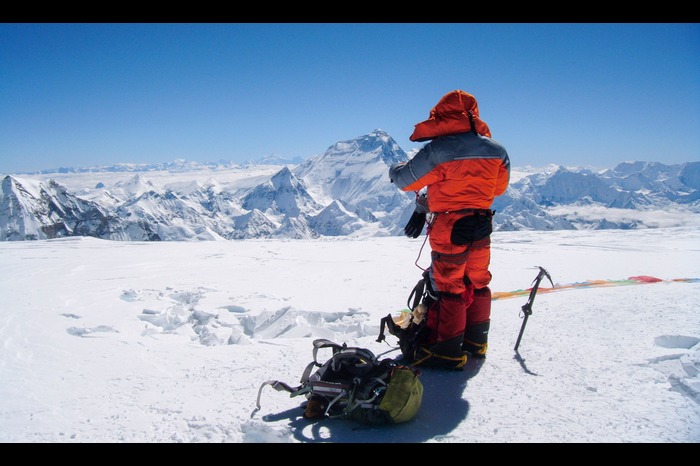
Experienced climbers may look toward peaks such as Ama Dablam, Baruntse, HimLung, or Manaslu. These mountains bring greater challenges. They may involve steep slopes, snow and ice, high camps, changing weather, and long days in the mountains.
The best peak is not always the highest one. It is the peak that fits your skills, time, fitness, and experience.
The Journey Starts Before the Mountain
A successful climb does not begin at base camp. It begins months before you arrive in Nepal.
Physical training is one of the most important parts of preparation. Regular walking, hiking, running, cycling, or stair climbing can help build strength and endurance. Your body needs to be ready for long days at high altitude.
Climbing skills also matter. Depending on the peak, you may need to know how to use crampons, an ice axe, ropes, harnesses, and other climbing equipment. Training before the trip can make you feel more confident when you reach the mountain.
Mental preparation is just as important. Mountain climbing does not always go according to plan. Weather may change. A trail may become difficult. A summit attempt may need to wait. Patience and a positive mindset can help you deal with these moments.
Acclimatization Makes a Big Difference
Going high too fast can be dangerous. Your body needs time to adjust to the lower amount of oxygen found at high altitude.
That is why climbing itineraries often include rest and acclimatization days. These days are not wasted time. They give your body a chance to adjust while allowing you to explore the surrounding area.
A good climbing plan increases altitude step by step. Guides also watch for signs of altitude sickness and can help decide when a climber should rest, descend, or change the plan.
Listening to your body is a key part of Himalayan climbing. Reaching the summit is important, but returning safely is always the bigger goal.
Walk Through Nepal’s Mountain Culture
A climbing trip in Nepal is not only about snow and rock. It is also a cultural journey.
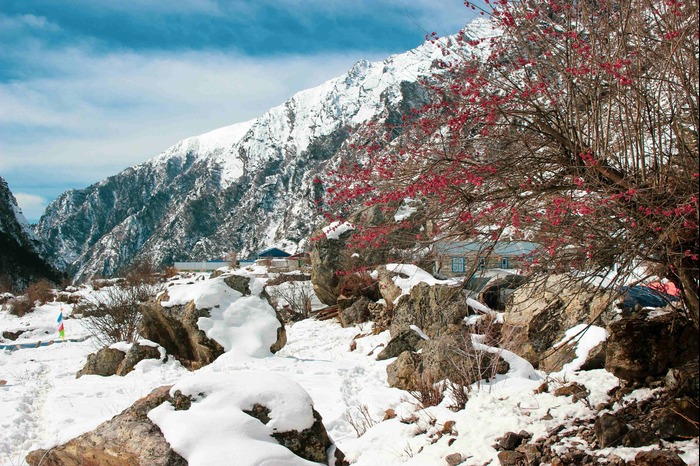
Many mountain routes pass through villages where local traditions remain strong. You may see prayer flags moving in the wind, stone walls along the trail, colorful monasteries, and homes built in traditional styles.
Meeting local people adds another layer to the journey. A simple cup of tea in a mountain lodge can become a memorable moment. The people you meet, the meals you share, and the stories you hear can stay with you long after the climb is over.
This connection between nature and culture makes a Himalayan adventure feel different from an ordinary mountain trip.
What Makes Climbing in Nepal 2026 Special?
The 2026 climbing season is a chance to plan your mountain dream with care. Better preparation, good route planning, and the right support can help make the journey smoother.
Spring and autumn are widely considered strong seasons for many Himalayan climbing trips. Spring brings warmer conditions and beautiful mountain landscapes. Autumn often offers clear skies and excellent views after the summer rains.
Still, mountain weather can change quickly. Conditions depend on the peak, route, season, and altitude. A flexible plan is important.
Instead of rushing toward the summit, successful climbers focus on the whole journey. Every camp, trail, ridge, and sunrise becomes part of the experience.
Support From Nepal Social Treks and Expedition
Planning a Himalayan climb can feel like a big task, especially if it is your first time. Nepal Social Treks and Expedition helps climbers prepare for their mountain adventure from the planning stage to the return journey.
The company provides services such as experienced climbing guides, porters, transportation, accommodation, permits, route planning, and climbing support. Depending on the expedition, equipment assistance and customized trip plans can also be arranged.
Local experience is valuable in the Himalayas. A trained team understands the trails, mountain conditions, local communities, and practical needs of climbers. This support allows you to focus more on your preparation and the mountain itself.
The team can also help you choose a climbing program based on your experience, available time, fitness level, and mountain goals. Whether you are preparing for a first peak or planning a more serious expedition, having reliable support can make a big difference.
Pack Smart for the Himalayas
The right equipment can make your climb safer and more comfortable. Your exact gear list will depend on the mountain and season, but warm clothing, strong trekking boots, gloves, sunglasses, a sleeping bag, a headlamp, and a good backpack are basic parts of many climbing trips.
Technical peaks may require additional equipment such as crampons, an ice axe, climbing harnesses, helmets, ropes, and other safety gear.
Do not wait until you arrive in Nepal to think about everything you need. Make a list early. Check your equipment before leaving home. Good preparation can prevent many small problems on the trail.
It is also wise to pack light. You will carry your gear through mountain terrain, and every extra item can feel heavier at altitude.
Respect the Mountain and the Environment
The Himalayas are beautiful, but they are also fragile. Climbers have a responsibility to protect the places they visit.
Carry your waste with you. Avoid unnecessary plastic. Respect local customs and wildlife. Stay on marked trails when possible. Treat mountain villages, monasteries, forests, and rivers with care.
Responsible climbing helps protect Nepal’s mountain environment for future visitors. It also shows respect for the people who call these mountains home.
Your Mountain Dream Is Waiting
A Himalayan summit may look distant from the valley, but every great climb begins with one step. Climbing in Nepal in 2026 can give you that chance to step beyond your comfort zone, discover new strength, and experience some of the world’s most beautiful mountain landscapes.
You do not need to chase the highest peak to have a meaningful adventure. Choose a mountain that matches your dream. Train well. Prepare carefully. Travel with respect. Trust your team and listen to the mountain.
With the right plan and support from Nepal Social Treks and Expedition, your 2026 journey can become more than a climbing trip. It can become a story of courage, discovery, friendship, and the joy of reaching higher than you thought possible.