The growth of streetwear culture has transformed the fashion industry in remarkable ways. Clothing that was once associated mainly with everyday comfort, youth communities, music scenes, and urban lifestyles has developed into a major influence on contemporary fashion. Geedup represents one example of how a strong streetwear identity can connect clothing with confidence, community, and personal expression. The rise of this culture did not happen overnight. It developed through decades of changing social attitudes, creative movements, music, sports, and new ways of communicating. Today, streetwear is not simply a category of casual clothing. It has become a cultural language that allows people to express who they are through garments that feel geedups , recognizable, and individual.
Where Streetwear Began
The roots of streetwear can be traced through several different communities rather than one specific fashion movement. Skateboarding, hip-hop, surf culture, sports, graffiti, and independent youth scenes all contributed ideas that eventually became part of modern street style. Young people began choosing clothing based on practicality and personality instead of following traditional fashion rules. Loose shirts, sneakers, caps, jackets, and comfortable trousers became associated with particular communities and creative identities. These garments were often chosen because they suited real lifestyles rather than because they were considered luxurious. Over time, the confidence and originality behind these choices attracted wider attention.
From Local Communities to Global Fashion
One of the most significant changes in streetwear has been its movement from local communities into international fashion. A style that developed in one city could eventually be discovered by people on another continent. Music videos, magazines, television, and celebrity culture helped introduce street-inspired clothing to larger audiences. The internet later accelerated this process dramatically. Fashion enthusiasts could discover new brands, compare outfits, and communicate with people who shared similar interests. This global exchange helped streetwear become more diverse while allowing individual brands to develop audiences far beyond their original locations.
The Influence of Music
Music has played a major role in the development of streetwear culture. Hip-hop in particular helped connect clothing with identity, confidence, creativity, and social expression. Artists frequently used fashion to establish recognizable public images, and audiences responded by adopting similar silhouettes and styling ideas. Other music geedup clothing also influenced streetwear through distinctive clothing choices and attitudes toward mainstream fashion. As artists became cultural influencers, their clothing choices gained attention alongside their music. This relationship between sound and style helped streetwear become more than casual dressing. It became part of a larger lifestyle associated with creativity and self-expression.
The Role of Skate Culture
Skateboarding also had a powerful influence on streetwear. Skate communities needed clothing that allowed freedom of movement and could withstand active lifestyles. Loose trousers, graphic shirts, hoodies, jackets, and durable footwear naturally became popular within these environments. The visual identity of skate culture eventually influenced people who did not participate in the sport themselves. What began as practical clothing became fashionable because it represented independence and a rejection of conventional expectations. This attitude remains visible in contemporary streetwear, where comfort and individuality often matter more than traditional ideas of elegance.
Sneakers Become Fashion Statements
The development of streetwear cannot be separated from the growing importance of sneakers. Athletic footwear was originally designed mainly for performance, but cultural influences transformed sneakers into important fashion items. Sports personalities, musicians, artists, and collectors helped create enthusiasm around different designs. Sneakers became a way to show personality, knowledge, and connection with particular communities. Today, footwear can influence an entire outfit, with people choosing sneakers based on color, shape, history, and cultural significance. The relationship between sneakers and streetwear demonstrates how ordinary practical products can become powerful symbols of style.
The Rise of Graphic Clothing
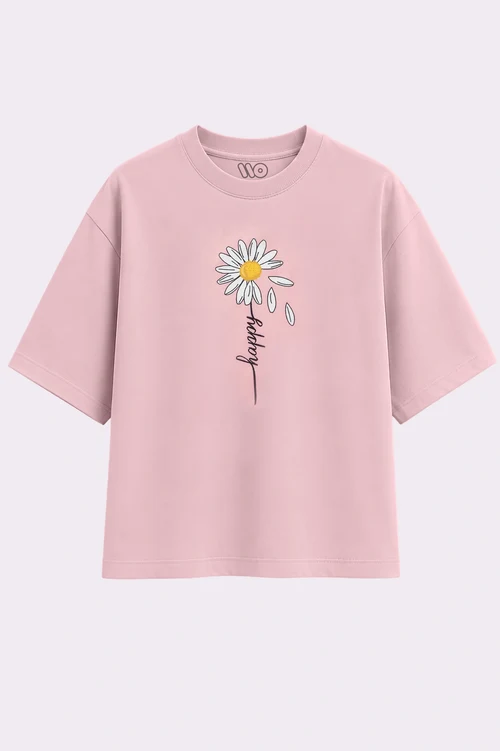
Graphics have always been important within streetwear because they allow clothing to communicate ideas visually. T-shirts and hoodies provide large surfaces for typography, artwork, symbols, and branding. A graphic garment can tell a story, represent a community, or simply create a strong visual impression. As printing techniques and digital design developed, brands gained more opportunities to experiment with creative imagery. This helped streetwear move away from plain casual clothing and toward garments with stronger personalities. Geedup’s place within contemporary streetwear reflects this broader appreciation for clothing that combines familiar shapes with recognizable visual identity.
The Popularity of Oversized Fashion
Another important development in streetwear has been the popularity of oversized and relaxed silhouettes. Traditional fashion has often emphasized structured or fitted clothing, while streetwear challenged that approach by making loose proportions desirable. Oversized hoodies, roomy T-shirts, relaxed trousers, and wide-leg silhouettes offer comfort while creating a distinctive appearance. This trend also gives wearers freedom to experiment with layering and proportions. The popularity of relaxed clothing demonstrates how fashion preferences can change when people begin valuing movement and comfort alongside visual appeal.
Social Media Changes Everything
Social media has played a major role in geedup hoodie streetwear culture. Platforms that allow users to share photographs and videos have created global spaces for fashion inspiration. Someone can post an outfit and immediately reach people who live in completely different countries. This has made streetwear trends move faster than ever before. Social media also allows smaller brands to communicate directly with audiences without depending entirely on traditional advertising. Consumers can discover new labels, follow releases, study styling ideas, and participate in conversations around clothing. This direct connection between brands and communities has become one of the defining features of modern streetwear.
Geedup and Contemporary Streetwear
Geedup fits into the modern streetwear landscape through an aesthetic built around casual silhouettes, recognizable branding, and cultural identity. The appeal of the brand illustrates how consumers increasingly value clothing that feels connected to a particular attitude. Rather than requiring formal occasions, streetwear pieces can be incorporated into everyday life. Hoodies, T-shirts, trousers, jackets, and other casual garments can be styled according to individual preferences. Geedup’s visibility within streetwear demonstrates how a distinctive identity can help a label build recognition among people who appreciate fashion as a form of self-expression.
The Importance of Community
Community is one of the strongest foundations of streetwear culture. People often become interested in a brand because they see others wearing it, discuss it online, or connect with its cultural message. This creates a sense of belonging that can be stronger than ordinary consumer relationships. Streetwear communities may form around music, sports, art, fashion, or local identity. Members exchange styling ideas and share experiences while developing a common visual language. Brands that successfully build genuine communities can create long-term loyalty because customers feel connected to something larger than a particular garment.
Limited Releases and Exclusivity
Limited releases have become another defining feature of modern streetwear. When a product is available in restricted quantities, customers may perceive it as more distinctive. The anticipation surrounding a new release can generate significant attention online and encourage enthusiasts to remain closely connected with a brand. Exclusivity can also create a sense of individuality because fewer people may own the same item. However, the popularity of limited releases has also changed how consumers think about fashion. Some shoppers now follow release schedules as closely as traditional fashion followers track seasonal collections. This has created a faster and more exciting retail environment.
Streetwear Enters Mainstream Fashion
The influence of streetwear has become so significant that traditional fashion companies have adopted many of its characteristics. Sneakers, hoodies, graphic shirts, relaxed trousers, and oversized silhouettes now appear across different areas of the fashion industry. High-end designers have incorporated casual elements into collections, while mainstream retailers have embraced street-inspired styling. This movement demonstrates that the boundaries between casual, luxury, and formal fashion have become less rigid. Streetwear’s success has challenged the idea that comfortable clothing cannot be sophisticated or culturally important.
Personal Identity and Self-Expression
One reason streetwear continues to grow is its ability to support individual identity. People can choose colors, graphics, silhouettes, footwear, and accessories according to their personalities. One person may prefer a dark monochromatic outfit, while another may enjoy bright graphics and contrasting sneakers. There is no requirement to follow one universal formula. This freedom makes streetwear accessible to a wide range of people. Clothing becomes a visual form of communication, allowing individuals to express confidence, creativity, interests, and cultural connections without saying anything directly.
Changing Consumer Expectations
Modern consumers are also changing what they expect from fashion brands. Comfort, originality, quality, and authenticity have become increasingly important. People often want clothing that can fit into active lifestyles rather than garments reserved for special occasions. They may also look for brands with recognizable identities and communities. At the same time, growing awareness of environmental and social issues is encouraging some consumers to think more carefully about purchasing habits. These changing expectations are likely to influence the next stage of streetwear, pushing brands to consider not only appearance but also durability and responsible practices.
The Future of Streetwear Culture
The future of streetwear will continue to be shaped by technology, music, art, sport, social media, and changing cultural attitudes. Digital communities will probably remain important, while physical stores can continue providing memorable experiences and opportunities for direct interaction. New materials and production methods may introduce different possibilities for clothing design. Personalization may also become more important as consumers seek garments that feel unique. Despite these changes, the fundamental principles of streetwear are likely to remain familiar. Comfort, creativity, individuality, and cultural connection will continue to influence how people dress and how brands communicate with their audiences.
Conclusion
The growth of streetwear culture represents one of the most significant changes in modern fashion. What began through diverse communities connected with music, skateboarding, sport, art, and youth culture has developed into a global movement. Social media, sneakers, graphic clothing, oversized silhouettes, limited releases, and strong communities have all contributed to its expansion. Geedup is part of this contemporary landscape, demonstrating how a recognizable streetwear identity can connect clothing with personal expression and cultural belonging. The future of streetwear will undoubtedly bring new trends and influences, but its central appeal will remain the same: giving people comfortable, expressive clothing that allows them to define their own style and participate in a constantly evolving fashion culture.