Pop-up markets, retail stores, and brand activations are increasingly setting up a hat customization station where shoppers pick a blank cap and finish it off with a patch of their choice. It’s an easy way to turn a plain purchase into something personal, but running one well means making a handful of decisions upfront: which patch styles to stock, where to source them, how to price the experience, and how customers will actually attach them.
Picking the Right Patch Styles
Not every patch style suits every cap, so it helps to understand the main categories before you start stocking a bar.
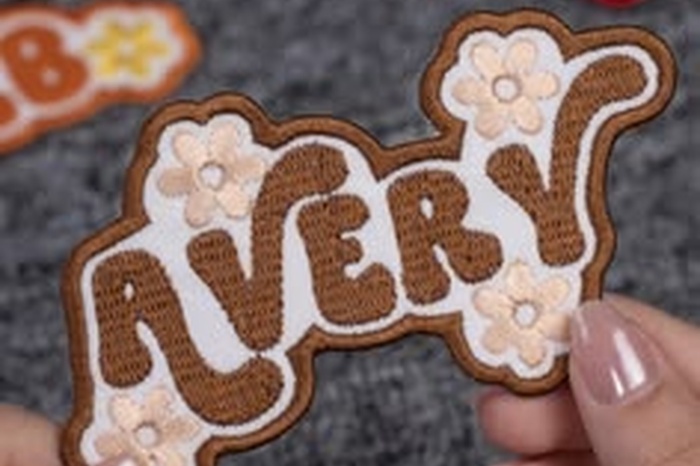
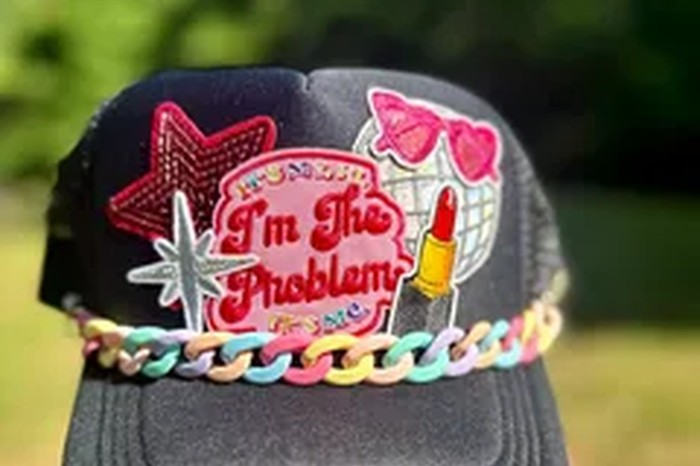
Embroidered patches remain the most common choice. The raised stitching gives a tactile, premium feel and holds up well to repeated handling — an important factor when patches are picked up, tried against a hat, and swapped out multiple times before a customer settles on a design.
Structured caps with a foam front and mesh back panel are a category of their own. Trucker Hat patches tend to be a favorite for these setups because the flat, sturdy front panel gives a patch plenty of room to stand out, and the style skews toward a younger, trend-conscious crowd that’s drawn to bold, statement designs.
For customers after something with more character, vintage-style patches offer a worn-in look — muted colors, slightly frayed edges, and a design language that reads as lived-in rather than fresh off the production line.
Sourcing: Local vs. Custom
Once the style direction is set, the next question is where the patches come from.
Buying locally has obvious appeal — you can see and feel the product before committing, and turnaround is usually quick. The trade-off is a smaller catalog than you’d get from a dedicated online or wholesale supplier.
If your hats have mesh backs, backing compatibility matters more than it might seem. Not every adhesive or backing type grips loose mesh fabric reliably, so it’s worth confirming this with a supplier before placing a bulk order.
Custom patches are worth the extra cost and lead time when a hat bar is trying to build a recognizable identity or offer exclusive designs customers can’t find anywhere else. Off-the-shelf patches are faster and cheaper, but custom work is what makes a station memorable.
What “Best” Actually Means
A patch that looks great in a photo doesn’t always hold up in practice. The patches worth reordering share three traits: tight, even stitching that resists fraying, colorfast thread that won’t fade or bleed after washing, and a backing sturdy enough to survive being handled by dozens of customers before it’s ever applied. Requesting physical samples from a few suppliers before committing to an order is the easiest way to catch quality issues early — differences in stitch density and backing feel often don’t show up until the patch is in your hand.
Design Basics Worth Getting Right
Three choices shape how a patch performs before it ever reaches a customer:
- Material — twill, felt, and chenille all wear differently and give a different finished look.
- Thread — standard polyester works for most designs, while chenille thread creates a raised, textured effect.
- Backing — iron-on and sew-on are permanent, while hook-and-loop backing allows a patch to be swapped out later.
Size matters just as much as material. A patch sized for a structured trucker cap can look oversized or undersized on a lower-profile dad hat, so it’s worth producing a couple of size variants of the same design if you’re outfitting more than one hat style.
Application Methods
How a patch gets attached affects both the customer experience and how long the result lasts.
- Iron-on patches are quick and inexpensive but less durable — fine for short-term use, less so for something meant to last years.
- Sew-on patches take longer to apply but hold up far better over time.
- Snap or hook-and-loop systems let customers swap patches whenever they like, which is ideal for an interactive, self-serve setup.
For high-traffic stations, pre-attached hook-and-loop patches let customers personalize a hat in seconds without needing an iron, a heat press, or a needle and thread on site.
Budgeting for a Hat Bar
Cost is shaped by size, color count, and order quantity, and it’s worth comparing a few suppliers on production capacity and turnaround time before settling on one. For businesses running recurring events or a retail storefront, buying wholesale usually makes sense — most suppliers offer tiered pricing, so costs per patch drop noticeably once you clear certain volume thresholds.
Choosing a Supplier You Can Rely On
Consistency is what separates a hat bar that runs smoothly from one that constantly deals with backorders and mismatched quality. Before signing on with any patches maker, ask about minimum order quantities, whether samples are available, expected production time, and how they handle quality control or reprints if something arrives wrong. The answers to those questions tell you far more about reliability than a price sheet ever will.
Bringing It Together
A hat bar that works comes down to seven decisions: style, sourcing, quality, design, application method, budget, and choice of supplier. Get those right and you end up with a setup that holds up to daily use and keeps customers coming back. Get them wrong, and even a beautifully designed patch won’t save the experience.
FAQ
How do I design patches for a hat bar?
Start by choosing your base material, thread type, and backing style, then size the artwork to match the hats you’ll be using it on.
How do I apply hat bar patches?
Iron-on works for quick, low-cost application; sew-on lasts longer but takes more time; hook-and-loop or snap systems let customers swap patches on their own.
How do I find a trustworthy supplier?
Compare a few options on sample quality, turnaround time, and wholesale pricing before committing to a long-term order.
What determines hat bar patch pricing?
Size, number of colors, and order quantity are the biggest factors — wholesale orders typically bring the lowest per-patch cost.