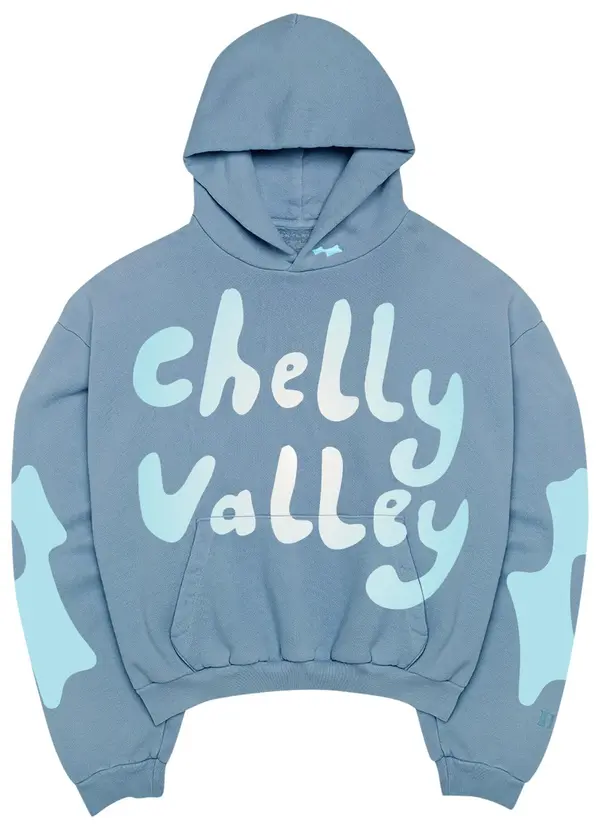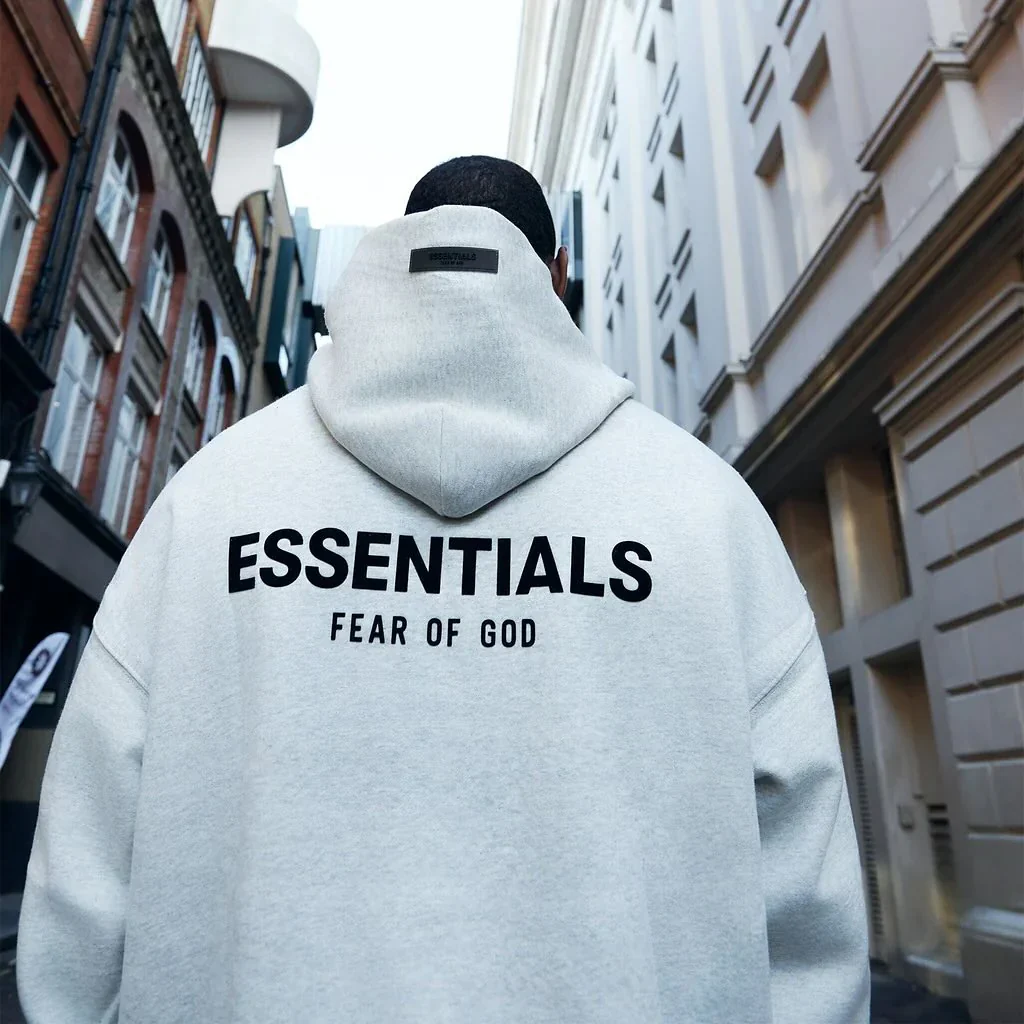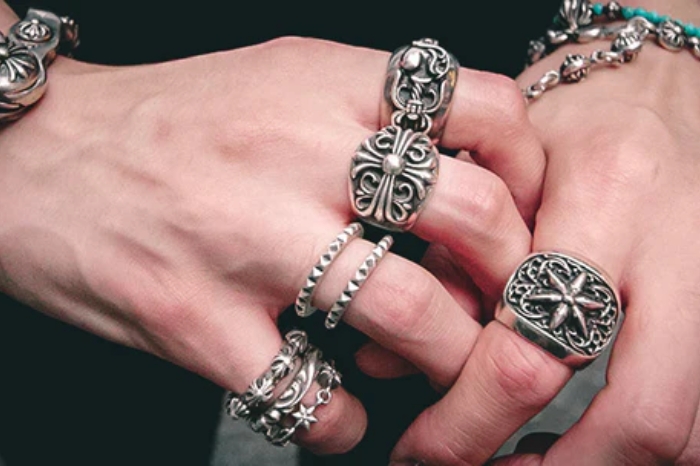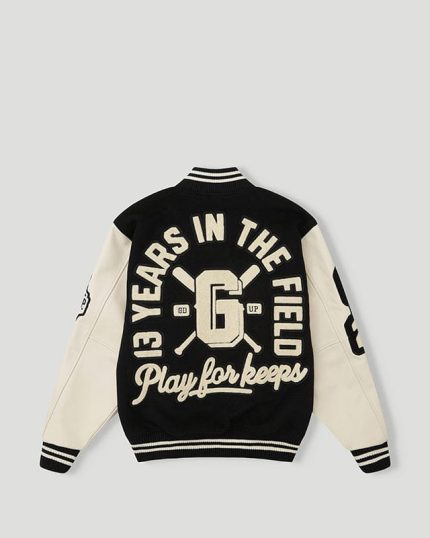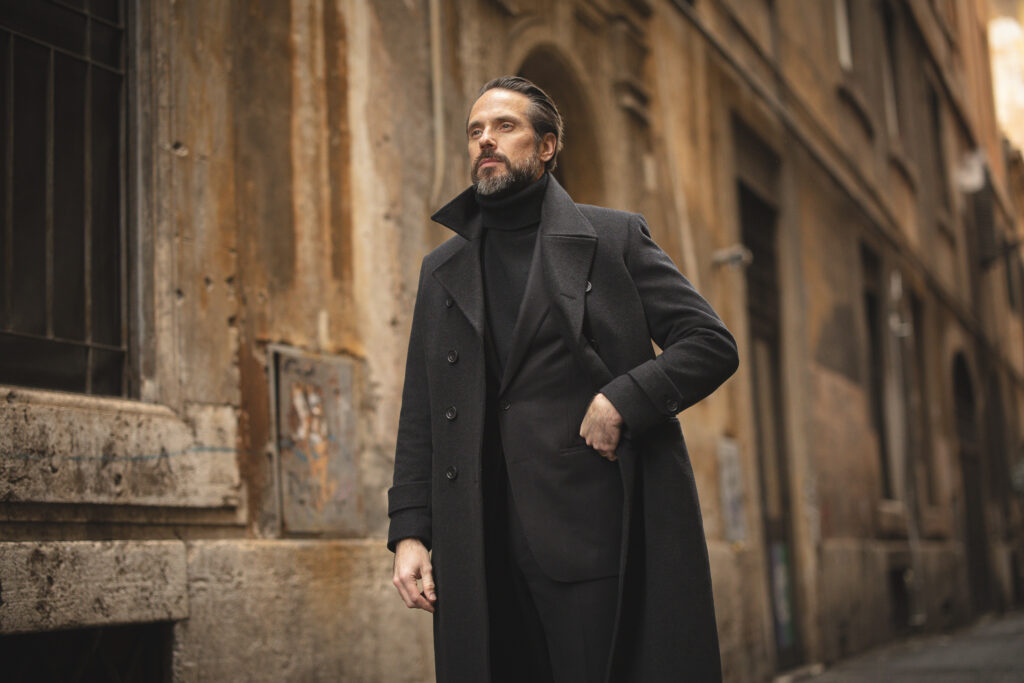
Comfort can shape how you feel throughout the entire day, and clothing plays a major role in that experience. The right fit, fabric, and design can make daily outfits easier to wear from morning to evening. For men who want both style and practicality, High-Quality Black Men Clothing can offer a dependable combination of comfort, versatility, and easy coordination. Understanding what makes clothing comfortable helps shoppers choose pieces that suit work, travel, weekends, and everyday activities.
Why Clothing Comfort Matters Every Day
Daily clothing should support movement rather than make it difficult. Whether you are commuting to work, running errands, meeting friends, or relaxing at home, uncomfortable clothing can become distracting.
A comfortable outfit allows you to move naturally without constantly adjusting sleeves, waistbands, collars, or hems. Therefore, choosing clothing based on comfort can improve your overall experience without requiring you to sacrifice personal style.
Comfort also depends on how clothing interacts with your surroundings. A lightweight shirt may work well during a warm afternoon, while a layered outfit may be more practical when temperatures change throughout the day.
Choose Fabrics That Feel Comfortable
Fabric is one of the most important factors affecting how clothing feels against the skin. Different materials offer different levels of softness, breathability, stretch, and moisture management.
Cotton remains a popular choice for everyday clothing because it generally feels soft and allows reasonable airflow. However, cotton is not the only option. Blended fabrics can provide additional stretch and durability, while certain performance materials can help manage moisture during active days.
Look for Breathable Materials
Breathability matters when clothing is worn for several hours. Fabrics that allow air to circulate can help reduce the uncomfortable feeling caused by heat and trapped moisture.
For warmer conditions, consider lightweight shirts, breathable trousers, and relaxed layers. In cooler weather, use fabrics that provide warmth without creating excessive bulk.
Consider Fabric Texture
Texture can affect comfort just as much as weight. Rough or poorly finished materials may cause irritation, especially around the neckline, cuffs, or waistband.
Before purchasing an item, consider how the fabric feels against your skin. Soft finishes and smooth inner surfaces can make a noticeable difference during extended wear.
Find the Right Fit for Better Movement
A good fit should provide enough room for natural movement without making an outfit appear oversized. Clothing that is too tight can restrict movement, while extremely loose pieces may feel inconvenient during daily activities.
For example, trousers should allow comfortable movement when sitting, walking, and climbing stairs. Similarly, shirts should provide enough room around the shoulders and chest without pulling when you reach forward.
The right fit can also improve how clothing sits on the body. When garments stay in place naturally, you spend less time adjusting them throughout the day.
Avoid Overly Tight Clothing
Tight clothing can create pressure around the waist, shoulders, arms, or legs. While a fitted appearance may work for certain occasions, excessive tightness can reduce everyday comfort.
Look for garments that follow your body shape while still allowing you to bend, stretch, sit, and walk comfortably.
Avoid Excessively Loose Pieces
Oversized clothing can provide freedom of movement, but too much extra fabric may become inconvenient. Loose sleeves can interfere with tasks, while oversized trousers may require constant adjustment.
Aim for a balanced fit that combines movement with a clean appearance.
Why Black Clothing Works Well for Everyday Wear
Black Men Clothing can be practical because black pieces are easy to coordinate with many other colors and styles. A black shirt, jacket, pair of trousers, or casual top can often work with items already found in a wardrobe.
This versatility can make getting dressed simpler. Instead of spending considerable time matching colors, you can build outfits around dependable black pieces and add contrast through shoes, accessories, or lighter layers.
Black clothing can also transition between different settings. A simple black shirt may work for casual plans, while a structured black jacket can create a more polished appearance.
Use Layering to Control Comfort
Temperature can change throughout the day, particularly when moving between indoor and outdoor environments. Layering provides a practical way to respond without changing an entire outfit.
Start with a comfortable base layer, then add a shirt, overshirt, sweater, jacket, or coat depending on the conditions. When temperatures rise, you can remove an outer layer instead of dealing with an overly warm outfit.
Build Simple Everyday Layers
A useful layering system might include:
- A lightweight base shirt
- A comfortable casual shirt or overshirt
- A medium-weight sweater for cooler conditions
- A lightweight jacket for outdoor use
- A coat or heavier layer for colder weather
The goal is not to wear as many layers as possible. Instead, each layer should serve a practical purpose and remain comfortable when worn together.
Choose Clothing That Supports Daily Activities
Comfort should match your routine. Someone who spends most of the day at a desk may prioritize soft fabrics and flexible waistbands, while someone who walks frequently may need lightweight garments that allow unrestricted movement.
Consider your daily schedule before purchasing new clothing. Think about how often you sit, walk, travel, work outdoors, or move between different environments.
The following table provides a simple guide:
| Daily Activity | Helpful Clothing Features | Comfort Benefit |
|---|---|---|
| Office work | Soft fabrics and flexible fits | Easier sitting for long periods |
| Commuting | Lightweight layers | Easier temperature control |
| Running errands | Stretch fabrics and relaxed fits | Better freedom of movement |
| Traveling | Breathable and wrinkle-resistant materials | More convenient for long trips |
| Outdoor activities | Lightweight, breathable garments | Helps manage heat and movement |
| Casual evenings | Soft shirts and comfortable trousers | Relaxed everyday feel |
Pay Attention to Waistbands and Seams
Small construction details can have a surprisingly large effect on comfort. Waistbands that are too tight can create pressure, while rough seams may cause irritation during prolonged wear.
When shopping for everyday trousers or shorts, examine the waistband and consider whether it provides enough flexibility. Elastic sections, adjustable details, or stretch fabrics can be useful for people who value freedom of movement.
Likewise, check the position and finish of seams. Smooth, well-finished seams can help prevent unnecessary rubbing.
Select Practical Clothing for Different Seasons
Seasonal conditions should influence your clothing choices. Wearing heavy materials during hot weather can lead to discomfort, while lightweight clothing may not provide enough protection during cold periods.
During warmer months, prioritize breathable fabrics, lighter colors when appropriate, and relaxed silhouettes. For colder seasons, focus on layering, insulating materials, and comfortable outerwear.
A versatile wardrobe does not need dozens of pieces. Instead, choose clothing that can work across multiple situations and combine it with seasonal layers.
Make Comfort and Style Work Together
Comfort does not mean wearing clothing that looks unstructured or careless. Modern clothing can combine practical materials, comfortable fits, and clean designs.
For example, a well-fitted black shirt can be paired with jeans for a casual outfit or trousers for a more polished look. Similarly, a comfortable black jacket can add structure without making an outfit difficult to wear.
The key is to consider comfort during the buying process rather than treating it as an afterthought.
Build a Versatile Wardrobe
A practical everyday wardrobe might include:
- Comfortable black and neutral shirts
- Well-fitting jeans or trousers
- Lightweight jackets
- Breathable casual tops
- Comfortable footwear
- Seasonal outerwear
- Flexible layering pieces
These basics can create multiple combinations without requiring a large collection of clothing.
Check Clothing Quality Before Buying
Quality can influence comfort over time. A garment may feel comfortable when new but become less pleasant after repeated washing if its fabric loses shape or its seams begin to deteriorate.
Before buying, inspect stitching, fabric thickness, buttons, zippers, hems, and other construction details. Strong construction can help clothing maintain its fit and appearance through regular use.
It is also useful to read care instructions. A garment that requires complicated maintenance may be less practical for someone looking for simple everyday clothing.
Choose the Right Size Instead of Relying on Labels
Sizes can vary between brands and clothing styles. Therefore, relying only on a familiar size may lead to an uncomfortable purchase.
Whenever possible, check the garment’s actual measurements. Pay particular attention to chest, shoulder, sleeve, waist, inseam, and garment length measurements.
For online shopping, review the brand’s size guide and compare it with clothing that already fits you well. This simple step can reduce the chances of choosing a size that feels restrictive or excessively loose.
Consider Clothing for Long-Term Use
Comfort should continue after the first few wears. Choosing durable garments that retain their shape can make everyday dressing easier and more economical over time.
Look for versatile pieces that can be worn in multiple situations. A durable black shirt, for example, may work with denim, chinos, trousers, jackets, or casual layers.
This approach helps create a wardrobe where individual pieces serve several purposes instead of being worn only occasionally.
Simple Tips for More Comfortable Everyday Outfits
A few practical habits can improve the comfort of almost any wardrobe:
- Check the fit before buying: Make sure clothing allows natural movement.
- Choose breathable fabrics: Consider the weather and how long you will wear the garment.
- Prioritize soft materials: Avoid textures that irritate your skin.
- Use layers: Add or remove pieces as temperatures change.
- Consider your routine: Select clothing based on your daily activities.
- Inspect construction: Look at seams, waistbands, buttons, and zippers.
- Follow care instructions: Proper washing and drying can help preserve fabric quality.
- Build versatile combinations: Choose pieces that work with several outfits.
These small decisions can make a wardrobe significantly more practical without making style complicated.
Conclusion
Comfortable clothing can make everyday routines easier, especially when garments provide the right combination of fit, fabric, flexibility, and practicality. From breathable materials and well-designed waistbands to versatile layering and seasonal choices, each detail can affect how an outfit feels throughout the day. Black clothing also offers useful versatility because it can coordinate easily with many wardrobe staples and adapt to casual or polished settings. By focusing on quality, proper sizing, movement, and personal routines, men can build a wardrobe that looks put together while remaining comfortable from morning through evening.
FAQs
What makes men’s clothing comfortable for everyday wear?
Comfortable men’s clothing usually combines soft fabrics, a suitable fit, breathable materials, and enough flexibility for natural movement. These features make clothing easier to wear for extended periods.
How should men’s clothing fit for better comfort?
Clothing should fit comfortably without being too tight or excessively loose. Shirts should allow easy shoulder and arm movement, while trousers should provide enough room for sitting, walking, and other daily activities.
Is black clothing suitable for everyday wear?
Yes, black clothing can be a practical everyday choice because it pairs easily with many colors and styles. Black shirts, trousers, jackets, and casual tops can be used to create both relaxed and polished outfits.
Which fabrics are best for comfortable everyday clothing?
Cotton and lightweight fabric blends are commonly suitable for everyday wear because they can provide softness, breathability, and flexibility. The best choice also depends on the season and your daily activities.
How can men make their everyday wardrobe more comfortable?
Men can improve wardrobe comfort by choosing the correct size, selecting breathable fabrics, using flexible layers, checking garment construction, and choosing versatile pieces that suit their daily routine.