Patches used to be something you only saw on Boy Scout sashes or old army jackets. That’s changed. From streetwear brands to small businesses outfitting their staff, patches have quietly become one of the most flexible ways to add identity to fabric — and the reasons go beyond nostalgia.
A Low-Cost Way to Build Brand Recognition
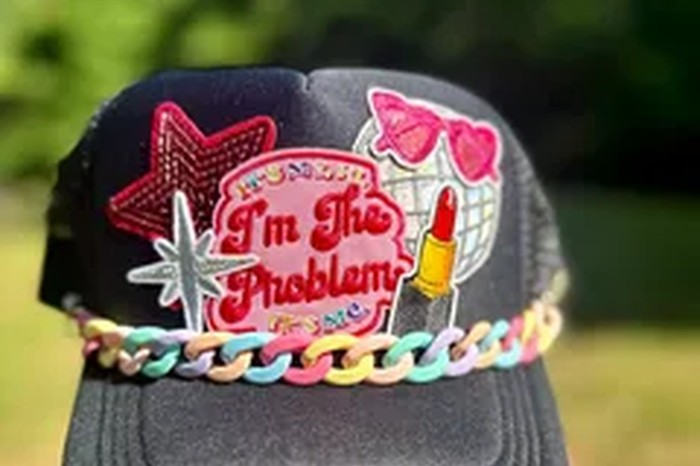
For startups and small teams, a custom patch does something a printed logo often can’t: it adds texture and permanence. A patch sewn onto a jacket, apron, or cap signals craftsmanship in a way flat printing doesn’t. It’s also durable — a well-made patch will outlast dozens of washes, which makes it a smarter long-term investment than iron-on vinyl or screen printing for items that get heavy use, like work uniforms or team ger.
This is part of why so many companies now turn to a dedicated patches maker rather than trying to source patches through generic print shops. A specialist can advise on the right backing, thread weight, and fabric base for the specific use case — something a general printer usually can’t.
Personalization Is Driving Demand
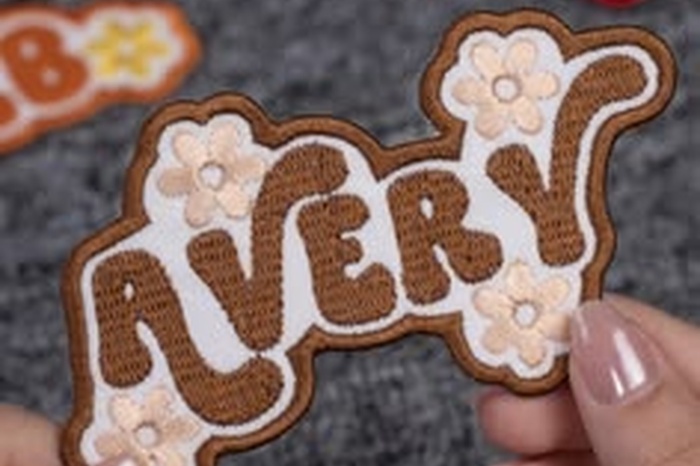
The other shift is personal. Name patches, once mostly reserved for military uniforms and mechanic shirts, have become a mainstream way to personalize clothing — from motorcycle vests to hospitality staff shirts to hobbyist jackets. People like seeing their name (or a nickname, a club title, or initials) stitched into something they wear regularly.
That demand has also renewed interest in the practical side of patches: how they’re actually attached. Velcro backing is popular for patches people want to swap out. Iron-on backing is the fastest option for casual use. But for anything that gets worn hard or washed often — uniforms, backpacks, jackets that see daily wear — custom sew on name patches remain the most durable choice, since there’s no adhesive to weaken over time or peel off in the wash.
What to Consider Before Ordering Custom Patches
If you’re thinking about adding patches to your product line, uniforms, or personal wardrobe, a few things are worth deciding upfront:
- Purpose — Is this for branding, identification, or personal style? That affects size, shape, and how bold the design should be.
- Attachment method — Sew-on for durability, iron-on for speed, Velcro for interchangeability.
- Material — Embroidery gives a textured, classic look; woven patches suit finer detail; leather and PVC options work well for a more rugged or premium aesthetic.
- Quantity — Small batches are fine for personal projects, but bulk orders for staff uniforms or retail products usually bring the per-unit cost down significantly.
None of these decisions are complicated, but they do determine whether the finished patch actually holds up to how it’ll be used — which is where a lot of DIY or bargain-supplier patches fall short.
The Bigger Picture
Patches sit at an interesting intersection right now: they’re practical (durable branding, easy identification), nostalgic (a callback to varsity jackets and military tradition), and increasingly personal (a way to individualize mass-produced clothing). That combination is why they’re showing up more often — not just in biker culture and uniforms, but in fashion lines, corporate swag, and everyday accessories.
Whether you’re outfitting a small team or just want your name stitched onto a favorite jacket, the underlying advice is the same: match the material and attachment method to how the item will actually be used, and work with a supplier who can walk you through those choices rather than just taking an order.