

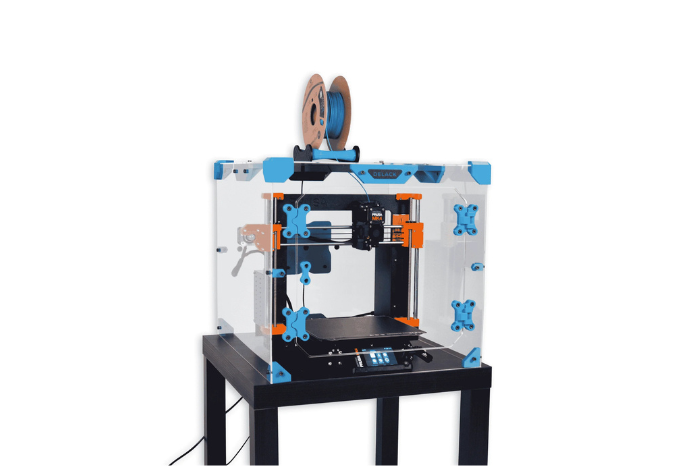
Choosing the right enclosure for your 3D printer can dramatically improve print quality, material performance, and overall workspace safety. Many users compare pre-built solutions with custom-built options to decide which setup offers better value and flexibility.
When evaluating a Delack enclosure against a DIY enclosure, the decision depends on budget, technical skill, customization needs, and long-term printing goals. Both options can improve temperature stability and reduce environmental interference, but they serve different user groups.
Why an Enclosure Matters for 3D Printing
Before comparing the two options, it’s important to understand why an enclosure is beneficial.
An enclosed printing environment helps create a controlled atmosphere around the machine. This stability directly impacts:
- Layer adhesion
- Warping prevention
- Dimensional accuracy
- Print surface finish
- Noise reduction
- Dust protection
Materials such as ABS, nylon, polycarbonate, and composite filaments perform significantly better when printed in stable thermal conditions. Even PLA prints benefit from reduced drafts and cleaner surroundings.
What Is a Delack Enclosure?
A Delack printer enclosure is a ready-made cabinet designed specifically to house 3D printers. It typically features rigid panels, transparent viewing windows, pre-aligned structural components, and integrated cable management.
Key Advantages of a Ready-Made Solution
A professionally manufactured enclosure offers several benefits:
- Engineered fit for compatible printer models
- Clean and professional appearance
- Tested airflow and ventilation pathways
- Faster installation process
- Stable structural design
Users who prefer convenience often choose this option because it reduces guesswork. The enclosure arrives with predefined dimensions and assembly instructions, making setup straightforward.
Potential Limitations
While convenient, pre-built systems may have constraints:
- Higher upfront cost
- Limited customization
- Fixed internal dimensions
- Less flexibility for future modifications
If you plan to heavily modify your printer or expand to a larger system later, these limitations may matter.
What Is a DIY Enclosure?
A DIY enclosure is a custom-built cabinet constructed using materials such as plywood, acrylic sheets, aluminum extrusion frames, or repurposed furniture like cabinets or tables.
This approach allows full control over size, insulation, ventilation design, and layout.
Benefits of Building Your Own
DIY enclosures appeal to makers who enjoy customization. Key advantages include:
- Custom dimensions tailored to your workspace
- Flexible ventilation and filtration design
- Choice of insulation materials
- Lower material cost in some cases
- Expandability for upgrades
You can integrate LED lighting, camera mounts, spool holders, and advanced filtration systems during the build process.
Challenges of DIY Construction
However, custom builds require:
- Accurate measurements
- Structural stability planning
- Thermal management knowledge
- Electrical safety considerations
- Time and tools
Mistakes in airflow design can lead to overheating. Poor insulation can reduce temperature stability. Weak structural support can increase vibration.
The quality of a DIY enclosure depends entirely on the builder’s experience.
Temperature Control Comparison
Thermal stability is one of the biggest reasons users invest in enclosures.
A ready-made cabinet typically offers consistent heat retention because manufacturers design it with controlled airflow in mind. Panel thickness and sealing are engineered for balanced performance.
DIY builds can match or even exceed this performance if properly insulated and sealed. However, results vary depending on material choice and assembly quality.
If you frequently print temperature-sensitive materials like ABS or nylon, reliable heat retention becomes critical. In that case, a tested and professionally designed structure may offer more predictable results.
Noise Reduction and Vibration Dampening
3D printers generate mechanical noise from stepper motors, fans, and moving components. Enclosures help reduce sound transmission and vibration.
Pre-built cabinets often use rigid panels and enclosed frames that dampen sound effectively. DIY builds can achieve similar noise reduction if constructed with dense materials and proper sealing.
Lightweight acrylic-only designs may reduce visibility distortion but often allow more sound leakage. Material selection plays a major role in acoustic performance.
Safety and Ventilation Considerations
Certain filaments release fumes during printing. Proper ventilation or filtration improves air quality and maintains a safer workspace.
A professionally designed enclosure may include designated ports for ventilation systems. In contrast, a DIY build requires careful airflow planning.
Key safety considerations include:
- Heat resistance of construction materials
- Proper cable routing
- Airflow direction control
- Fire safety precautions
- Electrical isolation
If you lack experience designing ventilation systems, a pre-engineered solution may reduce potential risks.
Cost Analysis: Short-Term vs Long-Term
Cost often influences the final decision.
Ready-Made Option
- Higher upfront purchase cost
- No material sourcing required
- Minimal tool investment
- Faster deployment
DIY Option
- Lower material cost in many cases
- Requires tools and hardware
- Possible redesign expenses
- Greater time investment
While a DIY enclosure may appear cheaper initially, time value and potential reconstruction costs should be considered. If you need quick deployment for production printing, convenience may justify the higher price.
Customization and Future Expansion
Customization is where DIY builds typically excel.
If you plan to:
- Upgrade to a larger printer
- Add multi-material systems
- Install advanced HEPA or carbon filtration
- Integrate monitoring cameras
- Expand to multiple printers
A custom-built solution offers greater flexibility.
Pre-built cabinets work best for stable setups where hardware changes are minimal.
Aesthetic and Workspace Integration
Workspace organization also matters. A professionally manufactured enclosure often provides a polished, uniform look that integrates well in offices, studios, or commercial environments.
DIY builds vary widely in appearance. While some look highly refined, others may appear more industrial or experimental depending on craftsmanship.
If visual presentation is important, this factor may influence your choice.
Who Should Choose Each Option?
Choose a Ready-Made Cabinet If You:
- Prefer convenience
- Want predictable performance
- Lack construction tools
- Print frequently with engineering materials
- Need a professional appearance
Choose DIY If You:
- Enjoy fabrication projects
- Want full customization
- Operate on a tight budget
- Plan significant upgrades
- Have experience with airflow and structural design
Both solutions can improve temperature stability, reduce warping, protect prints from drafts, and enhance overall reliability.
Final Thoughts
There is no universally “better” option. The right choice depends on your experience level, printing goals, and budget priorities.
A professionally built enclosure offers reliability, convenience, and tested performance. A DIY enclosure offers flexibility, customization, and potential cost savings.
If you prioritize efficiency, consistent thermal performance, and minimal setup time, a ready-made cabinet provides confidence. If you value customization and hands-on control, building your own enclosure allows you to tailor every detail.
In the end, both approaches improve print quality, environmental stability, and workspace safety when executed properly. The best enclosure is the one that aligns with your workflow and long-term printing plans.






















Leave a Reply