

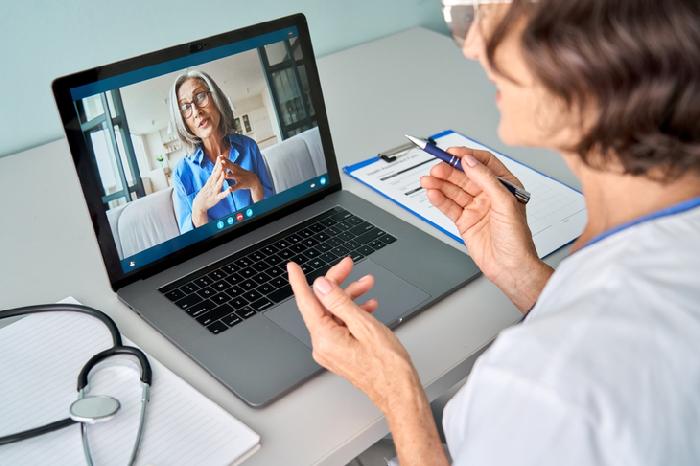
Accessing healthcare has changed dramatically in recent years, especially with the rise of digital medicine. Today, patients no longer need to wait in long queues or travel long distances for basic consultations. With Telehealth Services, medical care is now available through online platforms that connect patients directly with licensed healthcare providers from the comfort of their homes. At First Care Family Clinic, patients are guided toward modern, reliable, and secure virtual care options that make healthcare more accessible, efficient, and patient-friendly than ever before.
What Are Telehealth Services?
Telehealth Services refer to the delivery of healthcare through digital communication technologies such as video calls, mobile apps, phone consultations, and secure messaging systems. Instead of physically visiting a clinic, patients can connect with doctors online to discuss symptoms, receive diagnoses, and even get prescriptions when appropriate.
This approach has become especially valuable for individuals who live in remote areas, have mobility challenges, or simply prefer the convenience of virtual care. It allows healthcare professionals to extend their services beyond traditional clinical settings while maintaining quality and safety standards.
Telehealth is not limited to emergency situations; it also supports routine checkups, follow-ups, mental health counseling, chronic disease management, and preventive care. This flexibility makes it one of the most important advancements in modern healthcare delivery.
How Telehealth Services Work
The process of using Telehealth Services is simple and patient-friendly. It usually begins with scheduling an appointment through an online portal or mobile application. Once the appointment is confirmed, patients receive a link or access code for a virtual consultation.
During the consultation, the patient connects with a healthcare provider via video or audio call. The doctor reviews symptoms, asks relevant medical questions, and may request visual inspection if needed. Based on the evaluation, the provider offers medical advice, suggests treatment options, or prescribes medication electronically if appropriate.
After the consultation, patients may receive digital prescriptions, follow-up instructions, or referrals for in-person care if further examination is required. This seamless process ensures continuity of care without unnecessary delays or travel.
Benefits of Telehealth Services for Patients
Telehealth has transformed the way patients interact with healthcare systems by offering multiple benefits that improve both convenience and quality of care. One of the most significant advantages is accessibility. Patients can connect with doctors regardless of their location, which is especially helpful for rural communities or individuals with limited transportation options.
Another major benefit is time efficiency. Traditional clinic visits often involve waiting times, travel, and scheduling difficulties. Telehealth eliminates many of these barriers, allowing patients to receive medical attention more quickly and conveniently.
Cost savings also play an important role. Virtual consultations can reduce expenses related to travel, time off work, and unnecessary emergency room visits. In many cases, early intervention through Telehealth Services can also prevent more serious health complications, further reducing overall healthcare costs.
Privacy and comfort are additional advantages. Many patients feel more comfortable discussing sensitive health issues from their own homes. This can lead to more open communication and better clinical outcomes.
Common Conditions Treated Through Telehealth
Telehealth Services are suitable for a wide range of non-emergency medical conditions. These include colds, flu, allergies, skin rashes, minor infections, and digestive issues. Patients with chronic conditions such as diabetes, hypertension, and asthma can also benefit from regular virtual monitoring and follow-ups.
Mental health support is another important area where telehealth has proven highly effective. Counseling sessions for anxiety, depression, stress management, and emotional well-being can be conducted safely and confidentially online.
Additionally, telehealth is commonly used for prescription refills, post-treatment follow-ups, and general health consultations. However, in cases involving severe symptoms or emergencies, in-person medical care is still necessary.
Limitations of Telehealth Services
While Telehealth Services offer many benefits, they are not suitable for every medical situation. One of the main limitations is the inability to perform physical examinations or diagnostic tests such as blood work or imaging. This can sometimes restrict the doctor’s ability to make a complete assessment.
Technical issues can also create challenges. Poor internet connection, lack of digital literacy, or device limitations may affect the quality of consultations. Additionally, some patients may still prefer face-to-face interactions for comfort and reassurance.
Despite these limitations, telehealth continues to evolve and integrate more advanced technologies, making it increasingly reliable and effective.
The Role of Technology in Telehealth
Technology is the backbone of Telehealth Services. Secure video conferencing platforms, electronic health records, and mobile health applications all work together to create a smooth healthcare experience. These systems ensure that patient data remains confidential while allowing doctors to access medical history instantly.
Artificial intelligence and remote monitoring devices are also becoming part of telehealth systems. Wearable devices can track heart rate, blood pressure, and glucose levels, sending real-time data to healthcare providers. This allows for proactive care and early detection of potential health issues.
As technology continues to improve, telehealth is expected to become even more accurate, personalized, and widely accessible.
Telehealth and Preventive Healthcare
One of the most important contributions of Telehealth Services is its role in preventive healthcare. Instead of waiting for serious symptoms to develop, patients can use virtual consultations for regular checkups and early advice. This helps in identifying potential health risks before they become serious conditions.
Preventive care through telehealth also encourages healthier lifestyle choices. Doctors can provide guidance on diet, exercise, stress management, and sleep habits during virtual consultations. This proactive approach supports long-term wellness and reduces the burden on emergency healthcare systems.
The Future of Telehealth Services
The future of healthcare is increasingly digital, and telehealth is expected to play a central role. With advancements in artificial intelligence, remote diagnostics, and wearable health technology, virtual care will become more precise and personalized.
Healthcare systems around the world are investing in expanding telehealth infrastructure to improve accessibility and reduce healthcare disparities. As patients become more comfortable with digital healthcare, telehealth will likely become a standard part of routine medical care.
Conclusion
Telehealth Services have revolutionized the way patients access medical care by making it more convenient, efficient, and accessible. From routine consultations to chronic disease management and mental health support, virtual healthcare continues to expand its reach and impact. At First Care Family Clinic, patients are supported with trusted, patient-centered telehealth solutions designed to make healthcare simpler and more effective. As technology continues to evolve, telehealth will remain a key pillar in delivering modern, high-quality healthcare to patients everywhere.
FAQs
Q1. What are Telehealth Services used for?
Telehealth Services are used for online consultations, follow-ups, mental health support, chronic disease management, and general medical advice.
Q2. Are Telehealth Services safe and secure?
Yes, most platforms use secure systems to protect patient data and ensure privacy during consultations.
Q3. Can prescriptions be given through telehealth?
Yes, doctors can prescribe medications electronically when appropriate after evaluating the patient’s condition.
Q4. What conditions are not suitable for telehealth?
Emergency situations, severe injuries, and conditions requiring physical examination or lab tests are not suitable for telehealth.
Q5. Do I still need to visit a clinic after telehealth consultation?
In some cases, yes. If the doctor feels a physical examination or tests are necessary, an in-person visit will be recommended.
























Leave a Reply