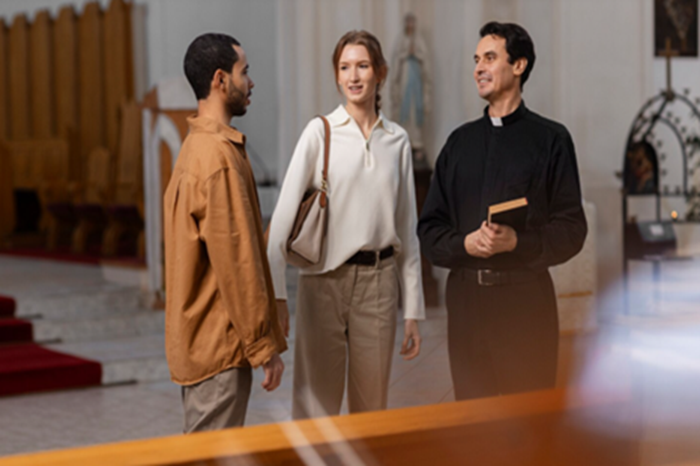
Should church doors feel heavy to open, rest assured others carry that weight too. Maybe questions live loud inside you, maybe life shaped you differently than pews expect. Stillness settles when belonging stops being a test. Midnight searches happen – “liberal faith communities nearby” – typed slow, half hoping no one sees. Some spaces welcome without requiring surrender first. A start exists somewhere, quiet but clear, past the need to fit in order to stay. Look closely. Begin there.
Inclusive Churches Gain Greater Importance Over Time
These days, folks keep looking for something deeper. Walking out the door of churches does not mean they left awe behind, nor their hunger for connection; often, they simply tired of being labeled, shut out, or hushed. Without space where everyone fits, faith slips through fingers – gone before it can take root.
Open arms define these communities where skin color, love choices, how one sees themselves, home life, opinions on power, and faith paths mix without fear. A seeker finds just as much belonging here as someone certain. Difference becomes something precious instead of a puzzle needing fixes.
Signs of a Truly Inclusive Church
Just because a church says it welcomes everyone doesn’t mean it truly does. Watch how people move through the space – do some linger near the edges, hesitant? A real sign of belonging shows up in who gets handed the microphone during announcements. Notice if stories from different life experiences shape the sermons, not only polished quotes. Laughter matters too – is it shared across age groups or clustered in familiar circles? Look at the bulletin board: whose events get top billing? When someone stumbles over words during prayer, is there patience or shifting feet? Inclusion hides in these moments, not mission statements.
Who’s up front matters. Check if faces differ by skin color, sex, or years lived when decisions are made. When those differences show in power roles, belonging runs deeper than slogans. It means access isn’t just promised – it’s built in.
Curiosity thrives where faith allows room to wonder. When teachings welcome honest questions instead of silencing them, something real is happening. A place that treats doubt like danger might be hiding more than truth. Different views shared out loud often mean growth is possible. Feeling guilty for wondering should give anyone pause.
Right there by the door, a sign might greet you with words like everyone belongs here. Some churches spell it out loud online, saying clearly who they mean when they say all. You could find these promises tucked into bulletins, where phrasing shifts to include pronouns or heritage without making a show. Open arms appear through small print on websites, listing identities plainly but gently. Not every faith space does this, yet those that do often state their stance near entry points. What matters is seeing yourself named – whether queer, multiracial, questioning – without having to ask first.
Rooms should welcome everyone, not just some. Think about how someone using a wheelchair moves through it. What if lights flicker for those sensitive to brightness? Language options at service desks can make a difference. Formats like braille or large print help more than you might guess. True belonging means every detail counts.
Start by watching how the church moves, not only what it claims. See whether it steps into efforts for fairness and dignity. Notice if it walks alongside groups supporting those pushed to the edges. What fills its schedule, where it spends money – those show what really matters. Truth hides less in sermons than in spreadsheets.
Start Your Search
Finding a welcoming church means putting in real work, yet plenty of people make it happen. Start by asking around – friends often know spots that fit just right.
Start by typing exact phrases when looking online. Try words such as “unitarian universalist” so you find only places serious about welcome. Places using labels like “open and affirming congregation” often state their values clearly. Another option might be “progressive faith community” to locate groups focused on belonging. Some websites say “welcoming church,” which may point to actual inclusive practices.
Curious what it’s really like? Try sitting through a gathering or two – no promises needed. Notice if faces light up when someone new walks in. Watch who shows up and where they sit. Listen closely when the speaker talks about hard questions or differing views. See how space feels around disagreement.
Start by sending an email straight up – no need to hold back. Questions like “Does your community support LGBTQ+ people fully?” might come next. Another one could pop in: “What happens when someone doubts what they believe here?” Churches that care about honesty usually respond without hesitation. Straight talk often leads right to the heart of things.
Start by looking into religious group ties. Certain branches lean further toward welcoming diverse people compared to others. Dig into what the larger body stands for, yet keep in mind each local church might act quite differently even under the same name.
Start by checking out online spaces where folks talk about their spiritual journeys. Places such as Reddit threads or private Facebook circles often include honest stories about locating welcoming churches. These firsthand tips come straight from individuals who’ve walked similar paths. Sometimes a single post reveals exactly what you’re looking for. Voices in faith-based discussion boards offer clarity when searching feels overwhelming.

Unitarian Universalist Tradition Different
Most folks looking for a place where belief fits alongside personal liberty often land on Unitarian Universalist Church near me in huston – it shows up again and again. This path stands on seven central ideas, each treating everyone’s value as undeniable, supporting honest exploration without rigid rules, while pushing fairness and kindness in how we treat one another. Belief isn’t forced here; nobody demands agreement. Instead, Christians, Jews, Buddhists, humanists, pagans, even those unsure about God – they walk through these doors and stay. What brings them? A space wide enough to hold difference without pressure. Something about this path speaks clearly to those whose lives include more than one faith. It makes room for queerness without condition. Belonging here often begins when someone refuses to hide parts of themselves anymore. Maybe uncertainty feels honest to you. Perhaps labels never quite fit. That honesty? This space was built for it. You might find yourself walking into a gathering where silence holds weight, laughter comes freely, identity isn’t up for debate. The search ends quietly sometimes. Not with fanfare. Just a seat offered at a circle already in motion.
Your Spiritual Home Exists Somewhere
Searching for a welcoming church takes time. Yet many find their way there eventually. A place where fitting in means being seen, not squeezed into someone else’s shape. Growth happens when beliefs stretch, kindness lands deep, while company stays steady during unsure days. Some choose forward-thinking branches of old denominations. Others land in small churches built on fairness and care. Then there are those who follow the layered path of Unitarian Universalism. Each step leads somewhere real. Belonging waits behind honest effort. Questions guide more than answers ever could. Arrival often begins by simply showing up again.
Frequently Asked Questions
1. What does an inclusive church mean?
An inclusive church is a faith community that intentionally welcomes people from all backgrounds. This includes differences in race, gender identity, sexual orientation, beliefs, culture, and life experiences, while creating space where everyone can participate fully.
2. How can I tell if a church is truly welcoming?
Look beyond statements on a website. Notice leadership diversity, how visitors are treated, whether difficult questions are welcomed, and if the church actively supports fairness and community outreach.
3. Are inclusive churches connected to specific denominations?
Some denominations openly support inclusive practices, while others vary by congregation. Many progressive communities exist within traditions like Unitarian Universalism, certain Protestant branches, and independent faith groups.
4. Is it okay to visit a church even if I’m unsure about my beliefs?
Yes. Many welcoming churches encourage exploration and questions. You can attend services, observe the community, and take time to see whether the environment feels right for you.