

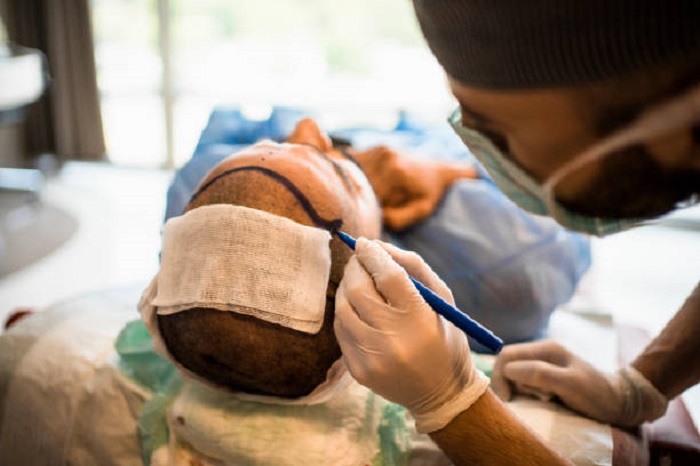
Hair transplant procedures have become increasingly popular for individuals seeking a natural and long-lasting solution to hair loss. One of the most crucial aspects of a successful hair transplant is understanding the various stages of hair growth post-procedure. Knowing what to expect during each phase can help patients maintain realistic expectations and ensure the best possible results. For anyone considering this treatment, it is important to stay informed about the recovery process and the timeline of hair regrowth.
The process of hair transplant in Riyadh involves carefully extracting hair follicles from donor areas and implanting them into the balding or thinning regions of the scalp. After the procedure, the newly transplanted follicles go through several distinct stages of growth. Initially, patients may notice shedding of the transplanted hair, which is a normal and expected part of the recovery process. This phase, known as the “shock loss” stage, typically occurs within the first few weeks after surgery. While this may seem alarming, it is a temporary phase, and the follicles remain intact beneath the scalp, ready to enter the next stage of growth.
Early Growth Phase
In the early growth phase, usually starting around two to three months post-transplant, the hair follicles begin to develop new strands. These early hairs are often thin and delicate, requiring patience as they gradually gain density and strength. Proper care during this phase is critical, including gentle washing and avoiding harsh treatments that may damage the new growth. Patients often notice gradual improvement in hair coverage, which can be encouraging and a sign that the transplant is progressing successfully.
Understanding the importance of nutrition in post-transplant care is often overlooked, yet it plays a vital role in supporting hair follicle health. Consuming a balanced diet rich in vitamins, minerals, and proteins can accelerate the healing process and encourage stronger hair growth. Nutrients such as biotin, vitamin E, zinc, and iron are particularly beneficial for hair strength and density. Incorporating these elements into your daily meals can complement the effects of the transplant, helping to achieve fuller and healthier results over time.
Shedding and Regrowth Cycle
The shedding of transplanted hair is followed by the regrowth cycle, where new hair begins to emerge from dormant follicles. This phase can last several months and is influenced by factors such as individual hair growth patterns and overall scalp health. It is essential to understand that hair growth occurs in cycles, and the transplanted hair may not grow uniformly at first. Patience and consistent hair care routines contribute significantly to achieving optimal results.
Scalp health is another critical factor in the success of a hair transplant. Regular cleansing and gentle massage stimulate blood flow to the transplanted follicles, promoting better nutrient delivery and accelerating growth. Avoiding harsh chemical treatments, tight hairstyles, and excessive heat is essential during the initial months post-transplant. Patients who follow these care routines often experience a smoother recovery and more uniform hair regrowth, ensuring that the procedure delivers natural-looking results.
Maturation Phase
By six to nine months post-transplant, the new hair enters the maturation phase. During this stage, hair shafts thicken, and coverage becomes more noticeable. The density and texture of the hair gradually improve, and any irregularities from the early growth phase begin to even out. Maintaining a healthy lifestyle and following post-transplant care recommendations can enhance the overall outcome of the procedure.
Stress management can also influence the outcomes of a hair transplant. High stress levels are known to disrupt the hair growth cycle and may contribute to hair thinning or shedding. Engaging in relaxation techniques, maintaining a consistent sleep schedule, and incorporating mild physical activity can create an optimal environment for the transplanted follicles to thrive. Emotional well-being should be considered an integral part of the recovery journey, as it indirectly supports the growth and longevity of the new hair.
It is important to remember that each individual’s hair growth timeline may vary. Factors such as age, genetics, and overall health influence the pace at which transplanted hair emerges and matures. Patience and realistic expectations are key, as some patients may notice faster results while others may require a slightly longer duration to see full coverage. Regular follow-ups with your clinic can help monitor progress and address any concerns promptly, ensuring that the procedure achieves the desired outcome.
Final Growth Stage
The final stage of hair growth usually occurs around twelve months after the transplant. At this point, the transplanted hair achieves its full length, volume, and natural appearance. Patients can enjoy a complete transformation, with the results reflecting a successful Hair Transplant in Riyadh procedure. It is important to remember that continued hair care and protection from environmental stressors help maintain these results for the long term.
Finally, embracing the long-term benefits of a Hair Transplant in Riyadh requires consistent maintenance. Even after the hair reaches its final growth stage, ongoing care such as scalp protection, proper hygiene, and occasional nourishing treatments can help sustain thickness and shine. By understanding the stages of hair growth and following recommended post-transplant care, patients can enjoy natural-looking hair that lasts for years. The commitment to proper care and patience ensures that the investment in hair restoration truly pays off, restoring both confidence and appearance.
FAQs
Q: How long does it take to see visible results after a hair transplant?
A: Patients typically notice initial regrowth around two to three months, with full results visible after twelve months.
Q: Is shedding after a hair transplant normal?
A: Yes, shedding is a natural part of the post-transplant recovery process and indicates that the follicles are entering the growth cycle.
Q: Can I wash my hair normally after the transplant?
A: Gentle washing is recommended during the early phases, avoiding harsh shampoos or vigorous rubbing for the first few weeks.
Q: Will the transplanted hair continue to grow like natural hair?
A: Yes, once the follicles fully mature, the transplanted hair behaves like natural hair in terms of growth and texture.
Q: Are there any special care tips to ensure better results?
A: Maintaining scalp hygiene, avoiding direct sun exposure, and following post-procedure instructions are key to successful hair growth.
Consultation
For those considering a Hair Transplant in Riyadh, Enfield Royal Clinic provides advanced techniques and personalized care to help patients achieve natural and lasting results. Our team ensures comprehensive guidance throughout each stage of hair growth, making the transplant experience smooth and effective. Schedule a consultation today to learn more about how we can restore your hair and confidence.




















Leave a Reply