

The growing interest in holistic wellness has encouraged many people to explore traditional healing sciences, natural health practices and lifestyle-based approaches to wellbeing. If you are wondering how to become a holistic healer, the first step is to understand what holistic healing involves and how structured education can help you develop relevant knowledge.
Holistic healing takes a broader view of wellbeing by considering different aspects of a person’s lifestyle and health rather than focusing on only one area. Ayurveda, Yoga, Naturopathy and other traditional wellness practices are commonly explored within this field.
What Is a Holistic Healer?
A holistic healer is generally someone who works with holistic wellness practices and focuses on supporting overall wellbeing through approaches such as lifestyle guidance, relaxation, yoga, nutrition education or traditional wellness practices.
The exact role and professional scope depend on the person’s education, qualifications and local regulations. A holistic wellness practitioner should not claim to diagnose or medically treat conditions without the appropriate recognized qualification.
How to Become a Holistic Healer?
If you are researching how to become a holistic healer, there is no single pathway that applies to everyone. Your route may depend on your existing education, interests and the area of wellness you want to study.
Here are some important steps to consider.
1. Understand Holistic Wellness
Start by learning the basic principles of holistic wellbeing. Explore how lifestyle, nutrition, physical activity, relaxation, sleep and mind-body practices can contribute to overall wellness.
Having a strong foundation can help you decide which area you want to pursue further.
2. Explore Traditional Healing Sciences
Holistic wellness can include several traditional systems and practices.
You may explore:
- Ayurveda
- Yoga
- Naturopathy
- Siddha
- Unani
- Reiki
- Meditation
- Self-healing practices
- Lifestyle and wellness education
You don’t necessarily need to study everything at once. Start with the areas that align with your interests and gradually expand your knowledge.
3. Choose Structured Holistic Healing Education
Learning from random online sources can leave gaps in your understanding. A structured natural healing training programme can provide a curriculum, expert guidance and a defined learning pathway.
When choosing a programme, consider its:
- Curriculum
- Faculty
- Duration
- Practical training
- Learning format
- Certification
- Professional scope
This can help you choose education that matches your goals.
Learn Ayurveda, Yoga and Naturopathy
A holistic healer may explore multiple approaches to wellness.
Ayurveda can introduce learners to traditional concepts related to diet, lifestyle, daily routines and wellbeing.
Yoga can help learners understand physical postures, breathing techniques, relaxation and mind-body practices.
Naturopathy may introduce natural lifestyle and wellness approaches related to nutrition, healthy habits and nature-based practices.
Learning these areas together can provide a broader perspective on holistic wellness.
4. Gain Practical Learning Experience
Theoretical knowledge is important, but practical learning can help you understand how concepts are demonstrated and applied.
A good training programme may include:
- Demonstrations
- Guided activities
- Interactive sessions
- Practical exercises
- Case-based discussions
- Expert interaction
Practical training should be conducted responsibly and within the scope of the programme and the learner’s qualifications.
5. Develop Communication Skills
A holistic wellness professional may interact with people from different backgrounds. Good communication is therefore an important skill.
You should learn how to:
- Listen carefully
- Understand individual concerns
- Communicate clearly
- Avoid making unrealistic promises
- Explain wellness practices responsibly
- Refer people to qualified medical professionals when necessary
Trust and responsible communication are essential in any wellness-related field.
6. Understand Professional Boundaries
One of the most important steps in becoming a holistic healer is understanding what you are qualified to do.
A wellness training certificate does not automatically make someone a medical doctor or licensed healthcare professional.
You should never:
- Claim to cure serious diseases without evidence
- Ask someone to stop prescribed medication
- Delay necessary medical treatment
- Present a wellness certificate as a medical qualification
Holistic wellness practices should be offered within the appropriate professional and legal boundaries.
7. Consider Natural Healer Certification
If you are interested in formal learning, you may consider a natural healer certification programme.
Before enrolling, find out:
- Who issues the certificate?
- What does the certificate represent?
- What subjects are covered?
- Is practical training included?
- What is the duration?
- What professional activities does it support?
Understanding these details can help you make an informed decision.
Natural Healer Programme by Jeena Sikho HiiMS
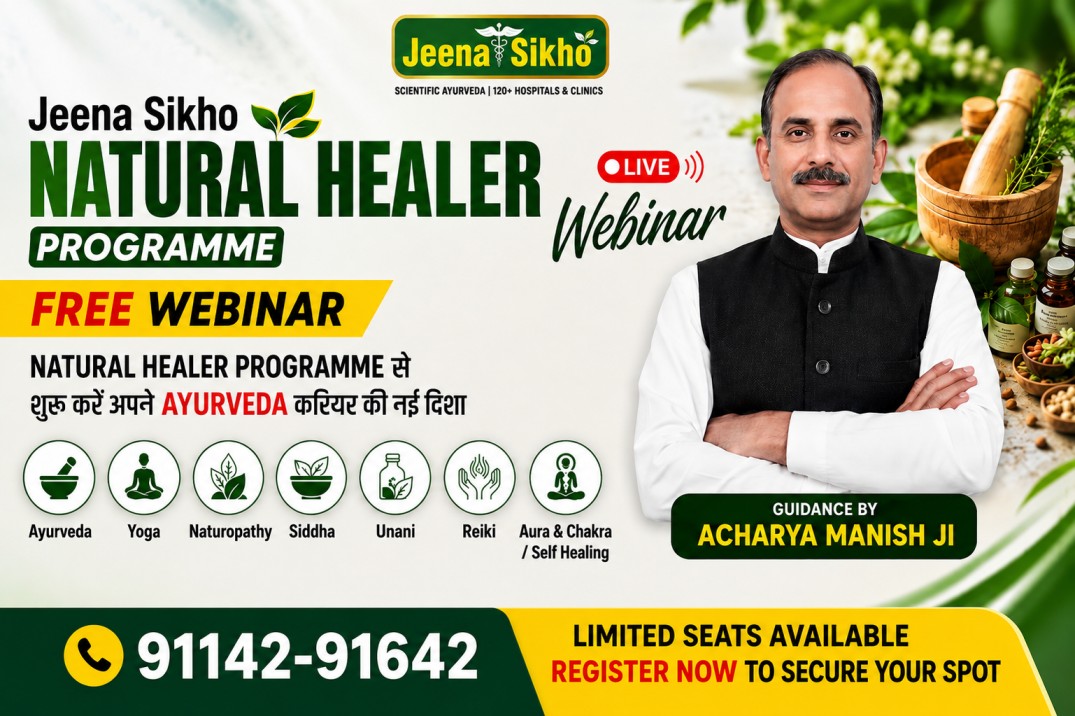
For individuals interested in exploring holistic wellness and traditional healing sciences, the Natural Healer Programme by Jeena Sikho HiiMS offers structured learning opportunities.
The programme covers areas such as:
- Ayurveda
- Yoga
- Naturopathy
- Siddha
- Unani
- Reiki
- Aura
- Chakra
- Self Healing
The programme includes online learning as well as a hybrid option with practical training.
Learn with Acharya Manish Ji
The programme also provides an opportunity to connect with Acharya Manish Ji through the LIVE Webinar and associated learning sessions.
Participants can learn about the programme structure, training process and learning opportunities before deciding whether to enroll.
The LIVE Webinar can be particularly useful for people who are beginning their journey and want to understand what Natural Healing Programme Training involves.
Online and Practical Training
The Natural Healer Programme includes a 14-day online learning component conducted through live Zoom sessions.
An extended 18-day hybrid format combines online learning with practical training. According to the programme information, the practical component is conducted at Shuddhigram, Meerut.
This combination gives participants an opportunity to experience both theoretical and practical learning.
Who Can Become a Holistic Healer?
People from different backgrounds may be interested in holistic wellness education, including:
- Yoga practitioners
- Wellness enthusiasts
- Ayurveda learners
- Natural health enthusiasts
- People interested in traditional healing
- Individuals exploring wellness-related education
However, eligibility and professional scope depend on the specific qualification and applicable regulations.
Benefits of Learning Holistic Wellness
Structured holistic wellness education can help learners:
- Develop knowledge of natural wellness practices
- Understand traditional healing systems
- Improve their understanding of healthy lifestyles
- Gain practical learning experience
- Develop communication skills
- Explore further educational opportunities
- Build a foundation for wellness-related work within their qualifications
The focus should be on responsible education rather than promising guaranteed health outcomes.
Frequently Asked Questions
Is there one course to become a holistic healer?
There is no single universal course that applies everywhere. The appropriate education depends on the type of holistic practice you want to pursue and the professional requirements in your location.
Can I become a holistic healer without a medical degree?
Some wellness and traditional healing programmes may not require a medical degree, but this does not give a person the right to practice medicine. Always check the qualification requirements and legal scope of the services you intend to provide.
What should I learn first?
Start with foundational concepts of holistic wellness, then explore areas such as Ayurveda, Yoga, Naturopathy and other traditional practices through structured education.
Is certification important?
Certification can document completion of a particular training programme, but you should understand its recognition and professional scope before enrolling.
Conclusion
If you are searching for how to become a holistic healer, start with education, practical learning and responsible understanding of professional boundaries. Exploring Ayurveda, Yoga, Naturopathy and other traditional wellness practices can help build a broader foundation in holistic health.
The Natural Healer Programme by Jeena Sikho HiiMS offers structured learning in natural and traditional healing sciences, with online sessions, practical training and opportunities to learn through sessions associated with Acharya Manish Ji.
Before choosing any programme, review its curriculum, faculty, practical training, certification and professional scope carefully. A strong educational foundation can help you take a more informed and responsible step toward your journey in holistic wellness.























Leave a Reply