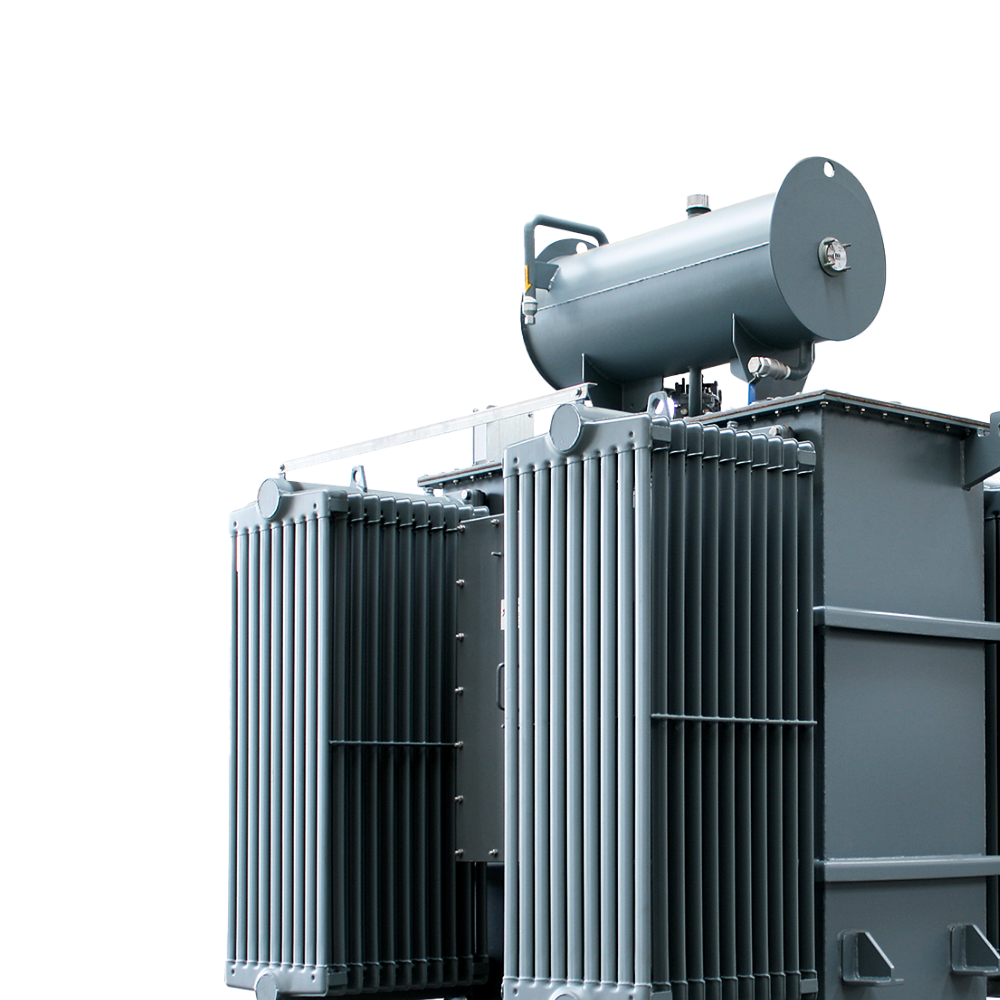
Choosing the right industrial energy supplier is crucial for businesses that rely heavily on electricity. Industries that work with heavy machinery, production lines, and electrical equipment often need consistent and reliable energy solutions. Companies such as transformer manufacturers in UK know the importance of selecting an energy provider that can meet high demand while keeping costs manageable. The right supplier ensures operational efficiency, reduces downtime, and supports sustainable energy practices, making it essential to understand what factors to consider before making a choice.
Energy Prices and Flexible Contracts
Looking at how suppliers charge comes early in the process. Some set a steady price, others shift it based on market swings or clock-driven tiers. Matching one to your actual power rhythm matters most. Shifting needs find room when deals permit movement, avoiding stiff fees – handy where work heats up or cools down across months. Clarity in cost labels, say for busy versus quiet hours, keeps surprises away while planning day-to-day spending.
Reliable and Continuous Supply
When machines need power, steady delivery matters most. Power cuts stop lines running, hurt tools, leave money lost behind. Look at how often they kept lights on before, how fast help came when things failed, what plans exist if systems break again. Some buyers like promises written down – proof there’s a way forward even when main sources fail. Strong grids plus regular checks mean fewer surprises for those who must keep going every hour.
Energy Efficiency and Sustainability Initiatives
One thing is clear now – factories pay close attention to lasting practices. Picking a provider focused on clean power, lower emissions, tighter operations often cuts harm to nature while saving money later down the line. Firms using support tools like power checkups, upgrades suggestions, or paths into eco-friendly systems tend to gain ground steadily. Think of vendors giving rewards when firms cut high-use periods or install smart gear – it keeps them in step with policy goals and internal climate aims.
Customer Service and Technical Support
Running an industrial operation means dealing with tricky power needs – so having someone who knows what they’re doing on call matters. When a supplier assigns a personal contact, backs it up with round-the-clock help, and answers fast, things just move smoother. Problems like wrong bills or system glitches? They get sorted quickly if the team actually listens. Some companies give access to web tools showing real-time consumption, which quietly helps teams adjust how they use energy. Even when prices and uptime look the same across vendors, one stands out – not by promises, but by simply being there when needed.
Worked With Industrial Customers
Some power providers just aren’t built for big factory work. Instead of guessing, pick one known for supporting businesses like yours. Because they’ve seen large motors, thick wiring, and tangled grid layouts before, they know what those need. Their fixes fit tight – boosting output without lifting bills too much. When your provider gets how factories run, energy flows match actual shifts and machines, especially where timing and speed matter most.
Value Added Services Available
Power providers nowadays do more than send bills and flip switches. Beyond delivering juice, some guide firms on smarter energy routines through advice tailored to their setup. Instead of only fixing things when they break, many predict issues before sparks fly using smart monitoring tricks. Dashboards show usage patterns so users spot waste without guesswork. Savings pile up quietly while carbon footprints shrink under steady oversight. Learning sessions pop up now and then where electric know-how gets shared like recipes at a cookout. Workers walk away less puzzled by regulations or gadgets fresh off the drawing board. Trust builds slowly when helpers care about long-term results instead of quick invoice closures. Relationships grow deeper once both sides stop treating each exchange like a one-off cash handover.
Meeting Rules and Staying Safe
Sticking to rules matters most when industries demand strict safety steps. Instead of cutting corners, energy providers follow both federal and city-level guidelines – think grid rules, machine checks, equipment approval tags, plus eco-laws. When companies keep watch on these details, they lower danger for customers while showing steady trustworthiness. Matching legal demands guards firms against costly penalties, work stoppages, even public backlash.
Location and network setup
Far from city centers, some businesses struggle when suppliers lack nearby facilities. When a provider spreads its operations wide, power travels shorter distances, cutting down waste along the way. Equipment like big transformers gets installed quicker if help is already close by. Being near heavy industry areas means fixes happen faster, with fewer delays. Having people on the ground locally often leads to smoother repairs and less downtime. Checking how widespread a supplier’s reach is helps avoid surprises in daily operations.
Extra Gear and Setup Costs
When heavy-duty gear such as transformers or switchgear is needed, knowing if your power provider helps set up and maintain it matters quite a bit. Instead of handling each step alone, working with vendors who bundle buying, setting up, and upkeep might ease daily tasks while avoiding surprise charges. Starting coordination early with local transformer makers in the UK means machines run closer to peak levels – less wasted energy, more output.
Conclusion: Making an Informed Choice
Selecting an industrial energy supplier requires careful evaluation of pricing, reliability, sustainability, customer support, and technical capabilities. A well-chosen supplier can enhance operational efficiency, reduce costs, and support environmental initiatives. For businesses that rely on critical equipment, integrating solutions from step up transformer step down transformer in UK alongside a trusted supplier can optimize energy distribution and ensure stable, efficient performance. By prioritizing these factors, industrial clients can form long-term partnerships that support growth and productivity while maintaining energy security.
FAQs
What is the most important factor when choosing an industrial energy supplier?
Reliability and consistent energy supply are typically the most critical factors, as outages can directly impact production and costs.
How can a company reduce energy costs with an industrial supplier?
By selecting flexible tariffs, optimizing consumption during off-peak hours, and leveraging energy efficiency programs, businesses can significantly reduce costs.
Why is sustainability important when choosing a supplier?
Suppliers with renewable energy initiatives and carbon reduction programs help businesses meet environmental regulations and enhance corporate responsibility.
Do all industrial energy suppliers provide technical support?
Not all, which is why it’s essential to choose suppliers offering dedicated support, online monitoring tools, and quick response times.
Can suppliers help with equipment like transformers?
Yes, collaborating with reputable UK Transformer Suppliers ensures proper installation, maintenance, and compatibility of industrial electrical equipment.