

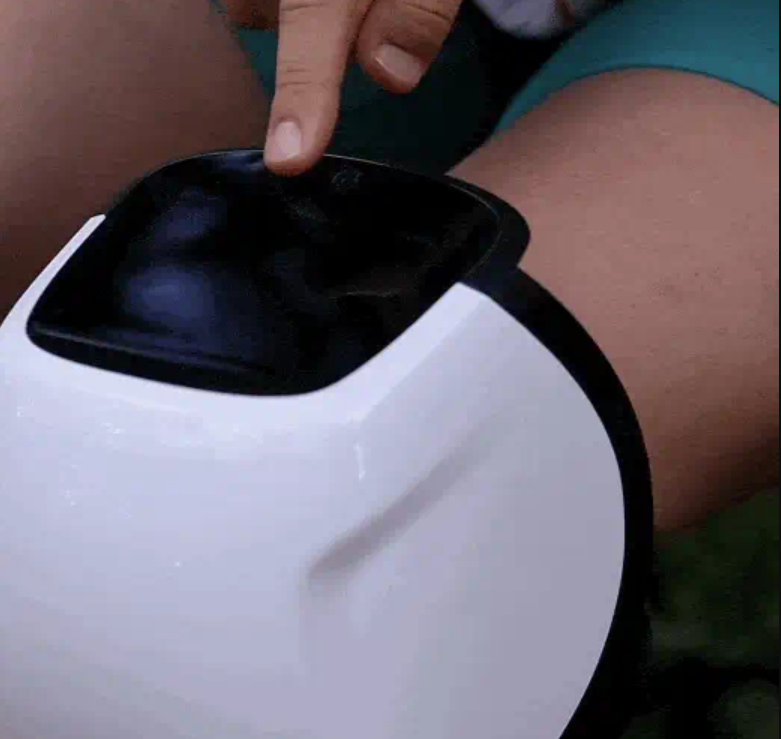
Knee pain sneaks into daily life in a weird way. One day you are fine, next day stairs feel like a task. We have seen it with athletes, office workers, even people who just went a bit too hard on a weekend walk.
That is usually when people start looking into knee pain relief equipment. And yeah… the internet throws a hundred options at you. Some look fancy, some look confusing, and most of them promise way too much.
So how do we actually choose the right one without wasting money? Let’s break it down like real people, not like a product brochure.
First Question… What Kind of Pain Are We Dealing With?
Not all knee pain is the same. This part gets ignored a lot.
Is it stiffness in the morning?
Sharp pain while walking?
Swelling after activity?
Different problems need different solutions. Some knee massagers focus on heat, some on compression, others on vibration. If we do not know what we are trying to fix, we will probably pick the wrong thing.
A bit of self-awareness here saves a lot of frustration later.
Heat Therapy… Simple but Surprisingly Effective
Let’s start with heat. Basic, right? But it works.
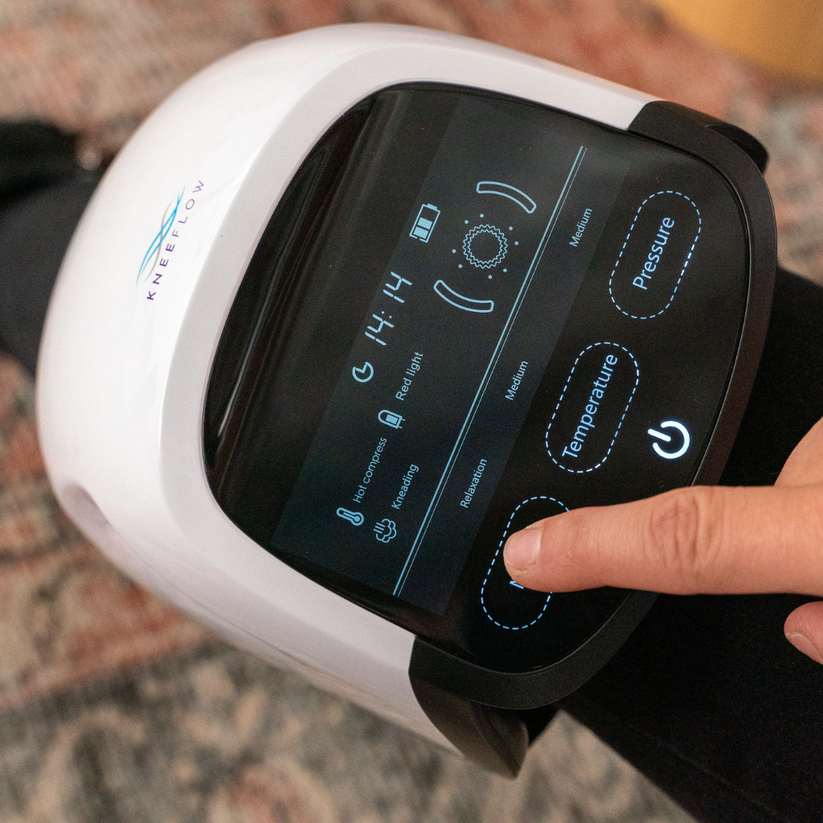
Heat helps loosen things up. Muscles relax, joints feel less stiff, and movement gets easier. If your knee feels tight or achy, heat-based knee pain relief equipment can feel like instant comfort.
Not magic. But relief? Yeah, pretty noticeable.
Some devices come with adjustable heat levels. That is useful because not everyone likes the same intensity. Too hot can feel uncomfortable. Too low, and you barely notice it.
Compression… The Quiet Hero
Compression does not get enough credit.
It gently presses around the knee, improving blood flow and reducing swelling. If your knee feels puffy or tired after long days, this feature matters.
Many knee massagers combine compression with heat. That combo? Honestly, it works well for a lot of people.
But here is something people miss… fit matters. If it is too tight, it feels restrictive. Too loose, and it does nothing. Simple, but important.
Vibration and Massage Modes… Hit or Miss Sometimes
Now, vibration sounds great on paper.
Some devices offer multiple massage modes… pulsing, tapping, rolling sensations. It feels fancy. But not everyone likes it.
For some people, it helps reduce discomfort. For others, it feels… annoying. Or just unnecessary.
So yeah, this is more of a personal preference thing. If you like that “massage chair” kind of feeling, you might enjoy it. If not, you can skip it without missing much.
Portability… Because We Are Not Sitting All Day
Here is something practical.
Are you planning to use it at home only? Or do you want to carry it around?
Some knee pain relief equipment is bulky. Works great, but stays in one place. Others are lightweight and easy to carry… you can use them at work, while traveling, even during breaks.
We tend to forget this part… until we actually need to move around with it.
Battery Life and Ease of Use… Small Things, Big Impact
Nobody wants to deal with complicated controls.
If a device feels like you need a manual every time you use it, that is a problem. Simple buttons, clear settings… that is what we want.
Battery life matters too. Especially for portable knee massagers. Charging it after every single use? That gets annoying fast.
So yeah, these “small” details actually make a big difference over time.
Build Quality… Not All Devices Are Made Equal
This one is easy to overlook.
Some products look good online but feel cheap in real life. Weak straps, poor stitching, plastic that does not feel durable… it shows pretty quickly.
Good knee pain relief equipment should feel solid. Not heavy, but not flimsy either.
Because honestly… if we are using it regularly, it needs to last.
Price… Let’s Talk About It Honestly
Expensive does not always mean better.
We have seen high-priced knee massagers that do the same thing as mid-range ones. At the same time, very cheap options often cut corners… weak heat, poor compression, short lifespan.
So the goal is not “buy the most expensive.” It is “buy something that actually works for your needs.”
A balanced choice usually wins here.
Real-Life Use… Does It Fit Into Your Routine?
Here is something people rarely think about.
Will you actually use it?
If it takes too long to set up… you will skip it. If it feels uncomfortable… you will avoid it. If it does not fit into your daily routine… it will sit in a corner.
The best knee pain relief equipment is the one you actually use consistently.
Sounds obvious. But it matters.
Do You Need Medical-Level Features? Maybe… Maybe Not
Some devices come with advanced features… infrared therapy, smart sensors, detailed settings.
Sounds impressive. But do you really need all that?
For general discomfort or mild pain, simple knee massagers often do the job just fine. If you are dealing with something more serious, then yeah… it might be worth looking into higher-end options.
Otherwise, simpler is often better.
Reviews… Helpful, But Not Always Honest
We all check reviews. Of course we do.
But here is the thing… not all reviews are reliable. Some are exaggerated. Some are too harsh. Some just feel fake.
So instead of looking for “perfect ratings,” look for patterns. Do people mention comfort? Durability? Actual relief?
That gives a better picture than just star ratings.
Final Thoughts… Keep It Simple, Keep It Real
Choosing the right knee pain relief equipment does not need to feel complicated.
Start with your actual problem. Think about how you will use it. Look for features that make sense for your situation… not just what sounds impressive.
And do not overthink it too much.
At the end of the day, the goal is simple… less pain, more comfort, better movement.
If you are ready to find something that actually works without all the guesswork, visit Kneeflow LLC to start. They focus on practical solutions that fit real life, not just marketing promises.
FAQs
What is the best type of knee massager for daily use?
It depends on your needs. For daily comfort, a combination of heat and compression usually works well for most people.
Are knee massagers safe to use regularly?
Yes, in most cases. Just follow the instructions and avoid overuse. If you have a medical condition, it is better to check with a professional.
Can knee pain relief equipment replace medical treatment?
No. It helps manage discomfort, but it is not a replacement for proper medical care if the issue is serious.
How long should we use a knee massager in one session?
Usually 15 to 20 minutes is enough. Longer sessions are not always better.
Do expensive knee massagers work better?
Not always. What matters is how well the features match your needs, not the price tag.






















Leave a Reply